

Resources
Machine Screw Anchors
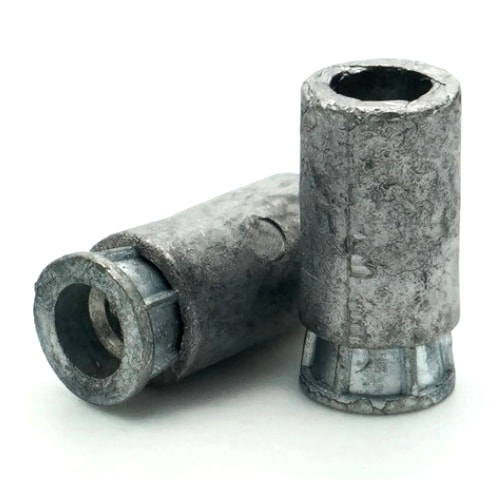
What are Machine Screw Anchors? Machine screw anchors are internally threaded masonry anchors used to create a reusable threaded fastening point in concrete, brick, block, and compatible masonry materials. They are commonly used with matching machine screws where the fastener may need to be removed and reinstalled without replacing the anchor.
Videos
Play videoWhy Choose Machine Screw Anchors?
Machine screw anchors are internally threaded masonry anchors designed to create a reusable fastening point for compatible machine screws. Once installed, the anchor remains set in the base material while the machine screw can be installed, removed, or replaced as needed.
This makes machine screw anchors useful for applications where fixtures, access panels, brackets, hardware, or other components may need to be serviced or removed without replacing the anchor itself.
Common Uses for Machine Screw Anchors
Machine screw anchors are commonly used for fastening fixtures and hardware to compatible masonry base materials. Typical applications include:
- Brackets and mounting plates
- Signs and fixtures
- Access covers and removable panels
- Light-duty supports
- Trim and architectural hardware
- Equipment and serviceable components
- General masonry fastening where a removable machine screw connection is required
Always verify that the specific anchor is approved for the concrete, brick, block, or other masonry material being used. Base-material suitability can vary by anchor design and manufacturer.
How Machine Screw Anchors Work
Machine screw anchors create holding strength through mechanical expansion inside a pre-drilled hole. After the anchor is inserted into the masonry, a matching setting tool is used to expand or set the anchor against the surrounding base material.
Once properly installed, the anchor provides internal female threads for a compatible machine screw. The machine screw can then be installed through the fixture and threaded into the anchor, creating a secure connection while allowing the screw to be removed later if necessary.
How to Install a Machine Screw Anchor
- Select the correct anchor: Match the anchor thread size to the machine screw required for the application.
- Drill the hole: Use the hole diameter specified for the particular machine screw anchor.
- Drill to the proper depth: Make sure the hole is deep enough for the required anchor embedment and installation method.
- Clean the hole: Remove masonry dust and debris according to the anchor manufacturer's instructions.
- Insert the anchor: Place the machine screw anchor into the prepared hole.
- Set the anchor: Use the correct setting tool to expand the anchor securely inside the masonry.
- Install the machine screw: Position the fixture and install a compatible machine screw with the correct thread size.
Important: Hole diameter, hole depth, embedment, setting method, machine screw engagement, and allowable load vary by anchor size and manufacturer. Always follow the installation specifications and published load data for the specific machine screw anchor being installed.
Machine Screw Anchor Setting Tools
Machine screw anchors require the correct setting tool to properly expand or set the anchor inside the drilled hole. The tool must match the anchor size and design so the anchor expands as intended and creates a secure internal threaded connection.
Using an incorrect setting tool, failing to fully set the anchor, or attempting to install the anchor without the required setting method can reduce holding performance or prevent the anchor from functioning correctly.
How to Choose the Right Machine Screw Anchor
Choose a machine screw anchor based on the requirements of the installation, including:
- Base material
- Machine screw thread size
- Anchor size
- Required load
- Fixture thickness
- Hole diameter and embedment
- Setting tool requirements
- Environmental and corrosion exposure
The machine screw thread must match the internal threads of the anchor. Always verify the anchor specifications before selecting the drill size, setting tool, or machine screw.
Zinc Plated Steel Machine Screw Anchors
Zinc plated steel machine screw anchors are commonly used for dry indoor and general-purpose masonry fastening applications where significant moisture or corrosion exposure is not expected.
For damp, exterior, coastal, chemical, or otherwise corrosive environments, compare corrosion-resistant anchor options that are specifically suitable for the exposure conditions and application requirements.
Machine Screw Anchors vs. Other Masonry Anchors
Machine screw anchors, drop-in anchors, sleeve anchors, and wedge anchors all provide mechanical fastening into concrete or masonry, but they create different types of connections.
Machine Screw Anchors vs. Drop-In Anchors
Machine screw anchors are designed to provide internal threads for compatible machine screws and may be suitable for various masonry base materials depending on the specific product.
Drop-in anchors are internally threaded anchors commonly installed in solid concrete to provide a flush threaded connection for bolts, threaded rod, studs, and related threaded fasteners.
Machine Screw Anchors vs. Sleeve Anchors
Machine screw anchors create an internal threaded connection for a separate machine screw, making them useful where the screw may need to be removed while the anchor remains installed.
Sleeve anchors are complete expansion anchor assemblies that fasten fixtures directly to suitable concrete, brick, block, and masonry surfaces.
Machine Screw Anchors vs. Wedge Anchors
Machine screw anchors provide internal female threads for a removable screw connection.
Wedge anchors include an externally threaded stud and expansion clip and are primarily designed for permanent anchoring applications in solid concrete.
The correct anchor depends on the base material, required load, fixture design, installation method, anchor approval, and whether the application needs a removable machine screw connection or a permanent stud-style anchor.
Common Machine Screw Anchor Installation Problems
- Incorrect hole diameter: Can prevent the anchor from expanding or gripping the masonry correctly.
- Insufficient hole depth: May prevent the anchor from reaching the required embedment.
- Dust or debris in the hole: Can interfere with proper installation and expansion.
- Incorrect setting tool: May prevent the anchor from being fully expanded.
- Anchor not fully set: Can result in incomplete expansion and reduced holding strength.
- Incorrect thread size: A mismatched machine screw can damage the anchor threads or fail to engage properly.
- Incorrect base material: Do not assume every machine screw anchor is approved for every type of masonry.
- Incorrect material selection: Can lead to premature corrosion in wet or corrosive environments.
Frequently Asked Questions About Machine Screw Anchors
What are machine screw anchors?
Machine screw anchors are internally threaded masonry anchors designed to create a secure fastening point for compatible machine screws. The anchor remains installed in the base material while the machine screw can generally be removed and replaced.
When should I use a machine screw anchor?
Use a machine screw anchor when the application requires a removable machine screw connection in masonry and the anchor should remain installed after the screw or fixture is removed.
Do machine screw anchors require a setting tool?
Yes, most machine screw anchors require a compatible setting tool to properly expand or set the anchor inside the drilled hole. Use the setting tool specified for the particular anchor size and design.
Can machine screw anchors be used in concrete?
Machine screw anchors may be used in concrete when the specific anchor is approved for that base material. Always verify the manufacturer's specifications for the anchor being installed.
Can machine screw anchors be used in brick or concrete block?
Some machine screw anchor designs may be suitable for brick, block, or other masonry materials, while others may have more limited base-material requirements. Do not assume universal compatibility. Verify the approved substrates for the specific anchor.
What size machine screw do I need?
The machine screw thread must match the internal thread size of the anchor. Confirm the anchor thread specification before selecting the machine screw.
Can the machine screw be removed after installation?
Yes. One of the primary advantages of a machine screw anchor is that the machine screw can generally be removed or replaced while the anchor remains installed in the masonry.
Can machine screw anchors be reused?
The installed anchor should not automatically be assumed reusable if it is removed from the masonry. The machine screw may generally be removed and reinstalled, but anchor reuse depends on the specific product and manufacturer instructions.
What is the difference between a machine screw anchor and a drop-in anchor?
Both provide internal threads, but machine screw anchors are intended for compatible machine screws and may be available for different masonry applications depending on the design. Drop-in anchors are commonly used in solid concrete for bolts, threaded rod, studs, and other compatible threaded fasteners.
Are zinc plated machine screw anchors suitable for outdoor use?
Zinc plated steel is generally best suited to dry interior or less-corrosive environments unless the specific product is rated otherwise. For outdoor, wet, coastal, chemical, or corrosion-sensitive applications, select an anchor material or coating suitable for those conditions.
How strong are machine screw anchors?
Holding capacity depends on the anchor size and design, base material, embedment, spacing, edge distance, installation quality, and load direction. Always use the manufacturer's published load data and applicable engineering requirements when determining anchor capacity.