

Hurricane Hardware
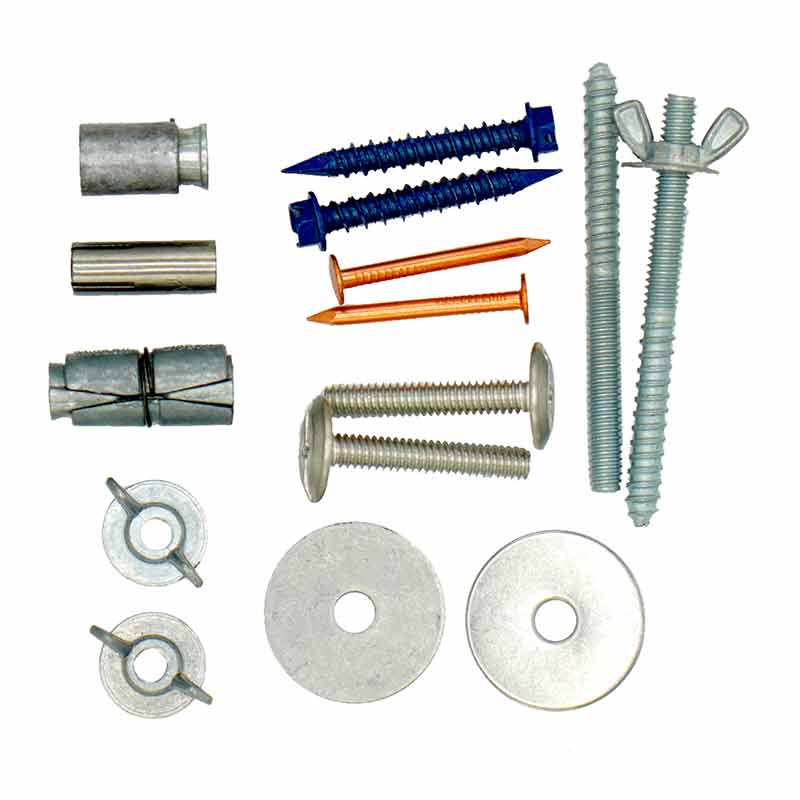
Hurricane Hardware
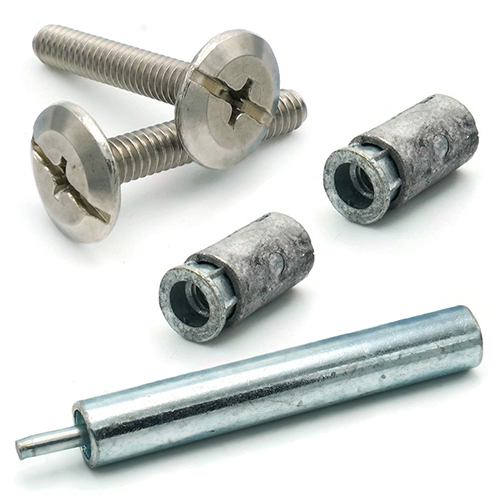
Hurricane Hardware Kits
Assortments of hurricane ties and connectors with the fasteners needed to reinforce framing.
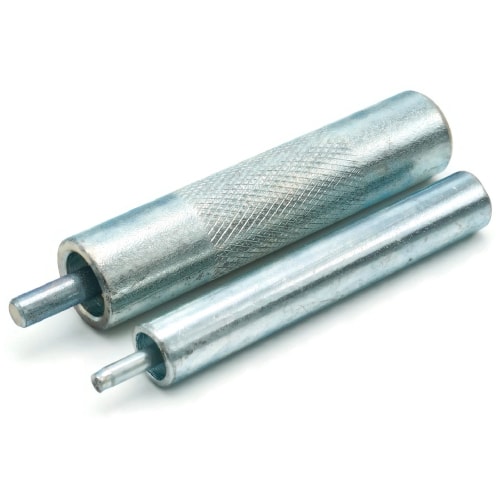
Hurricane Hardware Setting Tools & Drivers
Tools and dies for installing hurricane fasteners and structural connectors correctly.

Hurricane Hardware Fasteners
Nails, screws, and structural fasteners matched to hurricane ties and connectors for rated wind resistance.
Hurricane Hardware for Plywood Panels & Shutters
Build a reliable storm barrier with purpose-built hurricane hardware for concrete, block, brick, and framed openings. Choose concrete screw anchors for direct-to-masonry fastening, sidewalk bolts for panel systems, stainless wing nuts and washers for quick installs, hanger bolts, and expansion anchors. For coastal areas, use 316 stainless for superior corrosion resistance; zinc-plated steel is a budget option inland.
What You’ll Find in Hurricane Shutter Hardware
- Sidewalk bolts & drivers – low-profile heads for panel tracks or direct concrete attachment.
- Concrete screws – fast direct fastening into concrete/block; hex/washer heads speed installs.
- Wing nuts, washers & studs – quick on/off for panel systems and plywood cleats (use stainless near salt air).
- Hanger bolts & dowel screws – wood-thread + machine-thread for framed openings and removable hardware.
- Expansion/lead shields – create reusable threaded points in masonry for bolts or machine screws.
- Hurricane clips & framing connectors – reinforce panel tracks and frames in high-wind zones.
- Complete kits – pre-bundled fasteners, drivers, and anchors sized for common openings.
Choosing the Right Fastener
- Base material: Use concrete screws or expansion anchors for concrete, block, or brick; use hanger/lag bolts for framed openings.
- Environment: In salt spray/coastal zones, prefer 316 stainless. Inland, zinc-plated is acceptable with periodic inspection.
- Panel thickness: Many guidelines recommend at least 5/8 in. exterior-grade plywood for boarding.
- Reusability: For seasonal installs, set lead/expansion shields or drop-ins and use sidewalk bolts with washers.
How to Board Up Windows & Doors with Plywood
DIY Guide: Installing Plywood Window & Door Guards
Preparing your home for a hurricane doesn’t have to be complicated. Follow these steps to create temporary plywood barriers using our hurricane hardware:
Step 1: Gather Materials
Collect all necessary tools and materials (see supply list below). Wear proper safety equipment.

Step 2: Measure and Cut
Measure each opening. Cut plywood to size with overlap. Cut 2x4s to create a frame.

Step 3: Assemble the Barrier
Attach 2x4s to plywood using deck screws. Ensure the frame clears handles and locks.

Step 4: Install Anchor Points
Mark drilling points around the opening. Use a hammer drill to create pilot holes in concrete or masonry. Install sidewalk bolts or the appropriate masonry anchors.

Step 5: Mount the Barrier
Position the plywood barrier over the opening. Secure it using bolts and washers.

For a visual guide on this process, see our instructional video on hurricane preparation.
Hurricane Protection Supply List
- 1/4" x 3-1/4" Hex Head Concrete Screws
- 5/16" Magnetized Hex Driver (for easy installation)
- #8 x 1-1/4" 316 Stainless Deck Screws
- #2 Square Head Power Bit (square drive helps prevent stripping)
- Impact Drill
- Hammer Drill
- SDS Concrete Drill Bit
- Three Lengths of 2×4×8 wood (cut to length)
- 23/32" or 3/4" Plywood Sheet
- Safety Gloves and Safety Goggles
Hurricane Hardware FAQs
What fasteners should I use for concrete, block, or brick?
Concrete screws or expansion anchors are the go-to. Concrete screws are quick and removable; expansion/lead shields give you reusable threaded points for seasonal panel installs.
When should I choose stainless steel?
Use 316 stainless in coastal/salt-spray zones and for any hardware left installed long-term. Inland, zinc-plated steel is fine with regular inspection and replacement as needed.
How thick should plywood be for boarding?
Many guidelines recommend at least 5/8" exterior-grade plywood. Heavier panels can improve impact resistance when correctly fastened.
Can I make installs faster for repeated seasons?
Yes. Set lead or drop-in anchors once, then reuse them with sidewalk bolts and washers each season. Mark each panel’s location for quick re-mounting.
What’s the difference between concrete screws and expansion anchors?
Concrete screws cut their own threads in masonry and are removable. Expansion anchors expand a sleeve or shield in a pre-drilled hole to hold a machine screw or bolt; they’re great for reusable threaded attachment points.