

Threaded Drop-In Anchors
Resources
What are Threaded Drop In Anchors?
Threaded drop-in anchors are internally threaded masonry anchors that create a secure female thread for bolts, threaded rod, and other machine-threaded fasteners. Standard drop-in anchors are installed in solid concrete using a matching setting tool that expands the anchor inside a pre-drilled hole, leaving the top of the anchor flush with the concrete surface.
Albany County Fasteners carries drop-in anchors, shallow-embedment drop-ins, machine screw anchors, single and double expansion anchors, concrete caulking anchors, coil-threaded anchors, and setting tools for a variety of concrete and masonry fastening applications.
Drop In Anchors / Threaded Anchors
-min.jpg?ts=1755908753 "Drop-In")
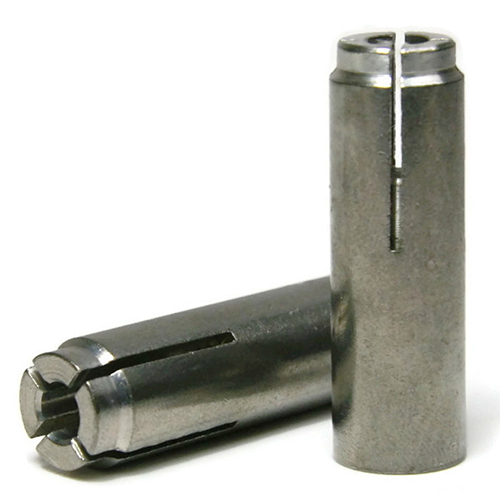
Drop-In
Internally threaded anchors set flush in solid concrete and expanded with a setting tool for overhead fixtures like HVAC, sprinklers, and light fittings.
-min.jpg?ts=1755908753 "Concrete Coil Threaded Drop-In")
Concrete Coil Threaded Drop-In
Coil-threaded drop-in anchors that accept coil rod or bolts, used in precast and formwork concrete applications.
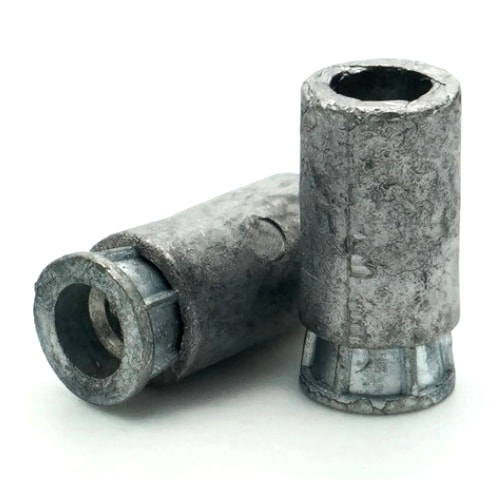
Machine Screw Anchors
Two-part expansion anchors that accept a machine screw, expanding in soft masonry or concrete as the screw is driven.
-min.jpg?ts=1755908835 "Double Expansion")
Double Expansion
Anchors that expand along their full length as the screw tightens, gripping soft or crumbly masonry where single expansion wouldn't hold.
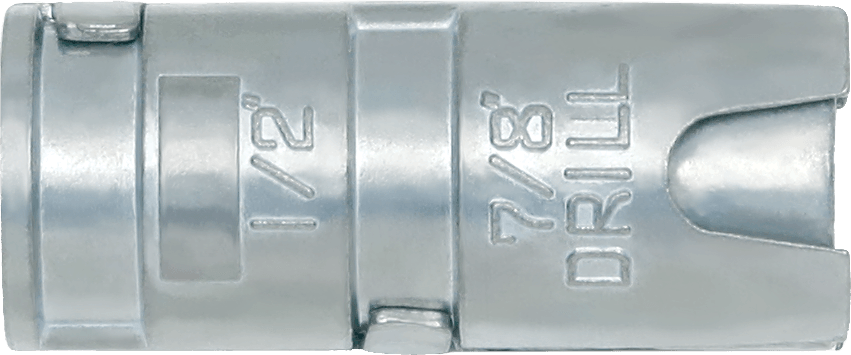
Single Expansion
Anchors that expand at one end when the screw is driven, used for medium-duty holds in solid masonry.
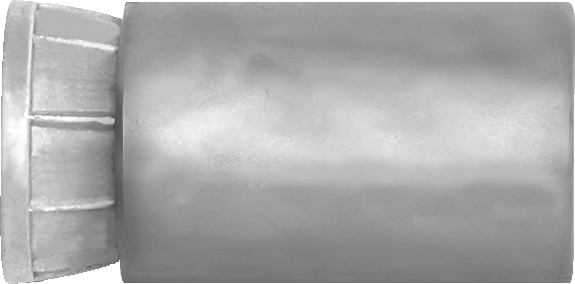
Concrete Caulking
Lead or alloy caulking anchors set into a hole and used with machine screws for a hold in solid masonry.

Shallow Embedment Drop-In
Drop-in anchors designed for thin or shallow concrete where standard embedment depth isn't available.
-min.jpg?ts=1758393113 "Setting Tools")
Setting Tools
Steel setting tools used to expand drop-in anchors in the hole, driving the anchor's internal plug until it locks against the concrete for full holding strength.
Videos
Play videoWhat Are Threaded Drop-In Anchors?
Threaded drop-in anchors are internally threaded expansion anchors designed to create a permanent female threaded connection inside concrete. Unlike wedge anchors and sleeve anchors, which include an externally threaded stud as part of the anchor assembly, a drop-in anchor remains below or flush with the surface and accepts a separate bolt, threaded rod, or other machine-threaded fastener.
This makes drop-in anchors particularly useful for applications where threaded rod or hardware may need to be installed, removed, adjusted, or replaced without removing the anchor itself.

How Do Drop-In Anchors Work?
A standard drop-in anchor consists of an internally threaded expansion sleeve and an internal expander plug. The anchor is placed into a correctly sized pre-drilled hole in solid concrete. A matching drop-in anchor setting tool is then inserted into the anchor and struck with a hammer.
The setting tool drives the internal expander into the bottom of the anchor, forcing the outer portion of the anchor against the walls of the drilled hole. Once properly set, the anchor remains securely embedded in the concrete while its internal threads remain accessible for a bolt or threaded rod.
Why Choose a Threaded Drop-In Anchor?
- Flush installation: The anchor can sit flush with or below the concrete surface for a clean installation.
- Internal female threads: Accepts threaded rod, bolts, studs, and other compatible machine-threaded fasteners.
- Removable hardware: The bolt or threaded rod can generally be removed while the anchor remains installed.
- Overhead fastening: Frequently used for suspended mechanical, electrical, plumbing, and HVAC systems when specified for the application.
- Multiple materials: Available in zinc-plated steel and stainless steel options for different environmental conditions.
What Are Drop-In Anchors Used For?
Drop-in anchors are commonly used where a strong internally threaded connection is required in concrete. Applications include:
- Suspending threaded rod from concrete
- Pipe and conduit supports
- Strut channel and trapeze supports
- HVAC and mechanical systems
- Electrical equipment and cable tray supports
- Suspended ceilings and overhead fixtures
- Equipment mounting
- Concrete construction and industrial installations
Always verify that the specific anchor is approved and appropriately rated for the intended base material, load direction, and application, particularly for overhead or safety-critical installations.
Types of Threaded and Expansion Anchors
This category includes several types of internally threaded concrete and masonry anchors. Although they share similar applications, their expansion mechanisms and suitable base materials can differ.
Standard Drop-In Anchors
Standard drop-in anchors are internally threaded expansion anchors designed primarily for installation in solid concrete. They are installed using a matching setting tool and provide a flush female-threaded connection for bolts and threaded rod.
Shallow Embedment Drop-In Anchors
Shallow embedment drop-in anchors are designed for applications where the available concrete thickness or required embedment is less than that of a conventional drop-in anchor. Always follow the specifications and load data for the particular anchor.
Concrete Coil Threaded Drop-In Anchors
Coil-threaded drop-in anchors provide internal coil threads for compatible coil rod or bolts and are commonly associated with concrete construction, forming, and related applications.
Machine Screw Anchors
Machine screw anchors are internally threaded expansion anchors designed to accept machine screws or bolts. Depending on the specific anchor design, they may be suitable for concrete or other masonry materials. Always verify the approved base material for the particular anchor.
Single and Double Expansion Anchors
Single and double expansion anchors expand as a machine screw or bolt is tightened. Double expansion designs expand along a greater portion of the anchor body and can be useful in masonry where concentrated expansion pressure is undesirable. Base-material suitability varies by anchor design.
Concrete Caulking Anchors
Concrete caulking anchors are internally threaded anchors that use a soft metal or alloy body that expands inside a prepared hole. They accept compatible machine-threaded fasteners and are used for masonry fastening applications according to the anchor specifications.
Watch How to Install Drop-In Anchors
See the installation process in action in our Fasteners 101 guide covering how to properly drill the hole, set the anchor, and use a drop-in anchor setting tool in concrete.
Watch: How to Install Drop-In Anchors | Fasteners 101 →
How to Install a Drop-In Anchor
- Select the correct anchor: Match the internal thread size to the bolt or threaded rod required for the application.
- Drill the hole: Use the drill diameter specified for the particular drop-in anchor.
- Drill to the required depth: The hole must be deep enough for the anchor to sit at the specified installation depth.
- Clean the hole: Remove concrete dust and drilling debris according to the anchor manufacturer's installation instructions.
- Insert the anchor: Place the drop-in anchor into the hole with the threaded opening facing the surface.
- Set the anchor: Insert the correct drop-in setting tool and strike it with a hammer until the anchor is fully expanded according to the manufacturer's instructions.
- Install the fastener: Thread the appropriate bolt or threaded rod into the installed anchor.
Important: A drop-in anchor must be properly set before the bolt or threaded rod is installed. Simply placing the anchor into the drilled hole does not fully expand or set the anchor.
Do Drop-In Anchors Require a Setting Tool?
Standard drop-in anchors typically require a matching setting tool to properly expand the anchor inside the concrete. The setting tool is inserted into the anchor and struck with a hammer, driving the internal expander and forcing the anchor body outward against the concrete.
The setting tool must correspond to the specific anchor size and design. Using an incorrect tool or failing to fully set the anchor can prevent proper expansion and reduce anchor performance.
Drop-In Anchor Drill Sizes and Hole Depths
The following dimensions provide a general reference for common threaded drop-in anchor sizes:
| Anchor Thread Size | Hole Diameter | Hole Depth |
|---|---|---|
| #6-32 | 5/16" | 1/2" |
| #8-32 | 5/16" | 1/2" |
| #10-24 | 3/8" | 5/8" |
| 1/4" | 1/2" | 7/8" |
| 5/16" | 5/8" | 1" |
| 3/8" | 3/4" | 1-1/4" |
| 1/2" | 7/8" | 1-1/2" |
| 5/8" | 1-1/8" | 2" |
Important: These dimensions are general reference values and should not be assumed to apply to every drop-in anchor design or manufacturer. Required hole diameter, hole depth, embedment, and installation procedures can vary. Always verify the specifications and published installation instructions for the specific anchor being installed. For engineered, overhead, or safety-critical applications, follow the project specifications and applicable engineering requirements.
How Do You Choose the Correct Drop-In Anchor Size?
The internal thread size of the drop-in anchor must match the threaded rod, bolt, or stud being installed. Anchor selection should also consider:
- Required load
- Concrete strength and condition
- Anchor embedment
- Concrete thickness
- Edge distance and anchor spacing
- Load direction
- Environmental and corrosion exposure
- Applicable approvals or engineering requirements
Always use the manufacturer's published load data when determining whether an anchor is appropriate for a particular application.
Can Drop-In Anchors Be Used in Brick or Concrete Block?
Standard drop-in anchors are primarily designed for solid concrete and should not automatically be substituted into brick or hollow concrete block. These materials have different expansion characteristics and may require an anchor specifically designed for masonry.
However, this category also contains other internally threaded expansion anchors, including machine screw anchors and single or double expansion anchors. Some of these anchor designs may be suitable for masonry applications beyond solid concrete. Always verify the approved base material for the specific anchor being used.
For applications in brick or concrete block, you may also want to consider sleeve anchors, depending on the substrate, load, and installation requirements.
Drop-In Anchors vs. Wedge Anchors
Drop-in anchors and wedge anchors are both expansion anchors commonly used in concrete, but they create very different types of connections.
Drop-in anchors remain inside the concrete and provide internal female threads for a separate bolt or threaded rod. This makes them useful for suspended systems and applications where the attached hardware may need to be removed or changed.
Wedge anchors incorporate an externally threaded stud and expansion clip into the anchor itself. They are commonly used to permanently secure base plates, equipment, structural components, and other fixtures directly to solid concrete.
Drop-In Anchors vs. Sleeve Anchors
A drop-in anchor provides internal threads inside the concrete, while a sleeve anchor includes the fastening stud or bolt as part of the anchor assembly.
Standard drop-in anchors are primarily associated with solid concrete. Sleeve anchors are more versatile across suitable concrete, brick, and concrete block applications. The correct anchor depends on the base material, load requirements, fixture design, and applicable anchor specifications.
Drop-In Anchor Materials
- Zinc plated steel: Commonly used for dry interior applications where significant corrosion exposure is not expected.
- 18-8 stainless steel: Provides increased corrosion resistance for damp or corrosive environments, subject to the particular exposure conditions.
- 316 stainless steel: Provides enhanced corrosion resistance for more demanding environments, including many marine and coastal applications.
Material selection should consider moisture, chemicals, salt exposure, compatibility with the attached hardware, and the requirements of the specific application.
Common Drop-In Anchor Installation Problems
- Incorrect drill diameter: Can prevent the anchor from expanding and gripping the concrete correctly.
- Insufficient hole depth: May prevent the anchor from sitting at its proper installation depth.
- Failure to clean the hole: Leaves concrete dust and debris that can interfere with proper installation.
- Incorrect setting tool: May prevent the internal expander from being driven to the proper position.
- Anchor not fully set: Can result in incomplete expansion and reduced performance.
- Incorrect base material: Standard concrete drop-ins should not be assumed suitable for brick or hollow masonry.
- Incorrect material selection: Can result in premature corrosion in wet, coastal, or chemically exposed environments.
Frequently Asked Questions About Drop-In Anchors
What is a drop-in anchor?
A drop-in anchor is an internally threaded expansion anchor installed inside a pre-drilled hole, typically in solid concrete. Once properly set, it provides female threads for a compatible bolt, threaded rod, or stud.
What are drop-in anchors used for?
Drop-in anchors are commonly used for threaded rod suspension, pipe supports, strut, HVAC systems, electrical supports, suspended ceilings, equipment, and other concrete fastening applications.
Do drop-in anchors need a setting tool?
Standard drop-in anchors typically require a matching setting tool. The tool drives the internal expander into position so the anchor expands securely against the walls of the drilled hole.
What size drill bit do I need for a drop-in anchor?
The required drill diameter depends on the specific drop-in anchor and thread size. Refer to the table above for general reference dimensions, but always verify the manufacturer's specifications before drilling.
How deep should I drill for a drop-in anchor?
The hole must be deep enough to accommodate the anchor at its required installation depth. Hole-depth requirements vary by anchor size and design, so follow the specifications for the particular anchor being installed.
Can drop-in anchors be used with threaded rod?
Yes. Threaded rod suspension is one of the most common uses for drop-in anchors. The threaded rod must match the internal thread size of the installed anchor.
Can threaded rod be removed from a drop-in anchor?
Yes. Once the anchor is properly set, the threaded rod or bolt can generally be removed while the drop-in anchor remains installed in the concrete.
Can drop-in anchors be used in brick or hollow block?
Standard drop-in anchors are primarily intended for solid concrete. Other internally threaded expansion anchors may be designed for masonry applications, but suitability should be verified for the particular anchor and base material.
Can drop-in anchors be used in cracked concrete?
Only use a drop-in anchor in cracked concrete when the specific anchor has been evaluated and approved for that condition. Do not assume a standard drop-in anchor is suitable for cracked concrete based solely on its size or material.
For applications requiring anchors specifically approved for cracked concrete, browse our Wedge Anchors, including options specifically designed and approved for cracked-concrete applications.
How strong are drop-in anchors?
Drop-in anchor capacity depends on the anchor design and size, concrete strength, embedment, edge distance, spacing, load direction, and installation quality. Use the manufacturer's published load data and applicable engineering requirements when selecting an anchor.