

Stainless Steel Fasteners
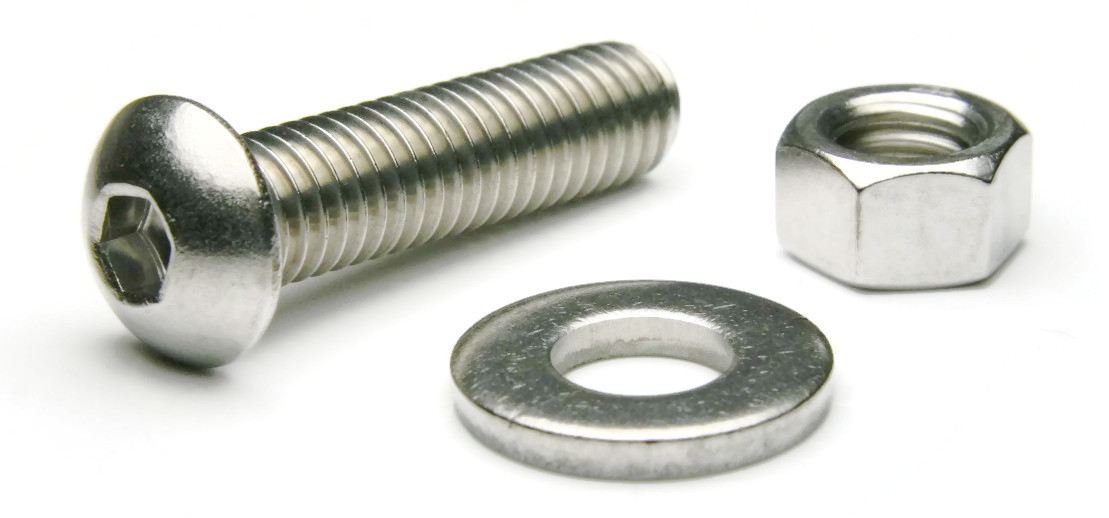
What is stainless steel hardware? Stainless steel fasteners are corrosion-resistant bolts, nuts, screws, and washers made from chromium-nickel alloys, most commonly 18-8 (304) for general use and 316 for saltwater and chloride exposure. They resist rust in wet, humid, coastal, and outdoor environments where zinc-plated steel would fail.
Stainless Steel
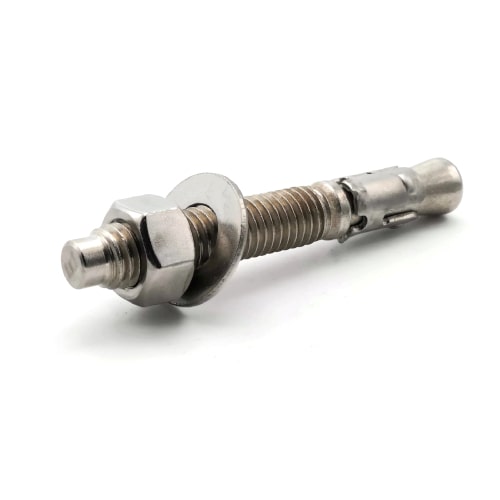
Anchors, Stainless Steel
Corrosion-resistant anchors in 304 and 316 stainless for fastening into concrete, masonry, and block in wet and outdoor conditions.
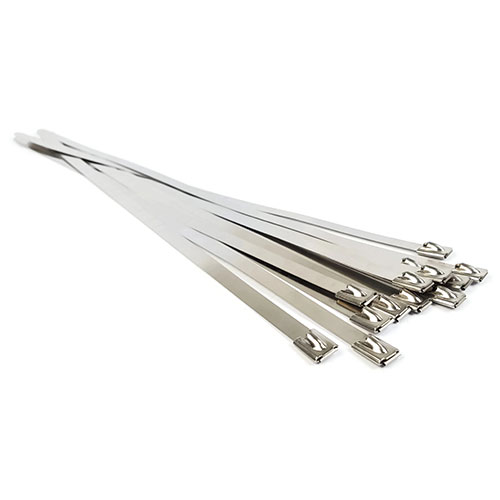
Cable Ties, Stainless Steel
Corrosion-resistant stainless ties that bundle and secure wire, cable, and hose in outdoor, marine, and high-heat settings where nylon ties fail.

Framing & Decking, Stainless Steel
Corrosion-resistant structural connectors and hardware in stainless steel for deck, dock, and framing connections exposed to weather.

Nails, Stainless Steel
Corrosion-resistant stainless nails for siding, trim, decking, and roofing where rust streaks and fastener failure must be avoided.
.jpg?ts=1757453411 "Nuts, Stainless Steel")
Nuts, Stainless Steel
Corrosion-resistant nuts in 18-8, 304, and 316 stainless for pairing with stainless bolts and studs in wet and outdoor use.
- Stainless Steel Cap Nuts
- Stainless Steel Channel Nuts
- Stainless Steel Coupling Nuts
- Stainless Steel Flange Nuts
- Stainless Steel Hex Nuts
- Stainless Steel Lock Nuts
- Stainless Steel Square Nuts
- Stainless Steel T-Nuts
- Stainless Steel Tamper Proof Nuts
- Stainless Steel Thumb Nuts
- Stainless Steel Wing Nuts
- Stainless Steel Weld Nuts
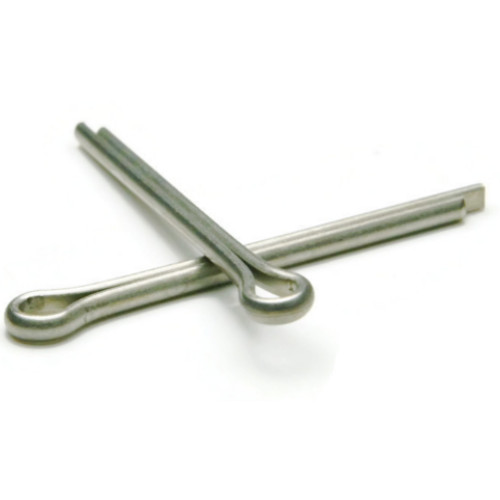
Pins, Stainless Steel
Corrosion-resistant pins in stainless for aligning, pivoting, and locking parts without threads in wet and outdoor use.
.jpg?ts=1757453425 "Retaining Rings, Stainless Steel")
Retaining Rings, Stainless Steel
Corrosion-resistant rings in stainless that seat in a groove on a shaft or in a bore to hold parts in place and prevent movement.
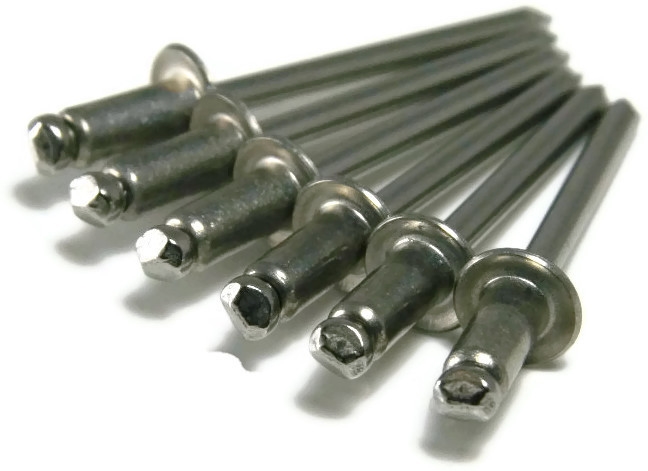
Rivets, Stainless Steel
Corrosion-resistant 304 stainless blind rivets, with 302 in structural styles, for permanent one-side fastening of metal and panels.
-min.jpg?ts=1758393079 "Screws & Bolts, Stainless Steel")
Screws & Bolts, Stainless Steel
Corrosion-resistant screws and bolts in stainless for wood, metal, masonry, and machine assembly in wet and outdoor use.
- Stainless Steel Carriage Bolts
- Stainless Steel Concrete Screws
- Stainless Steel Deck Screws
- Stainless Steel Wood Screws
- Stainless Steel Hex Bolts
- Stainless Steel Hex Lag Bolts
- Stainless Steel Hanger Bolts
- Stainless Steel Machine Screws
- Stainless Steel Sidewalk Bolts
- Stainless Steel Sheet Metal Screws
- Stainless Steel Self Drillers
- Stainless Steel Set Screws
- Stainless Steel Socket Cap Screws
- Stainless Steel Roofing Screws
- Stainless Steel Shoulder Bolts
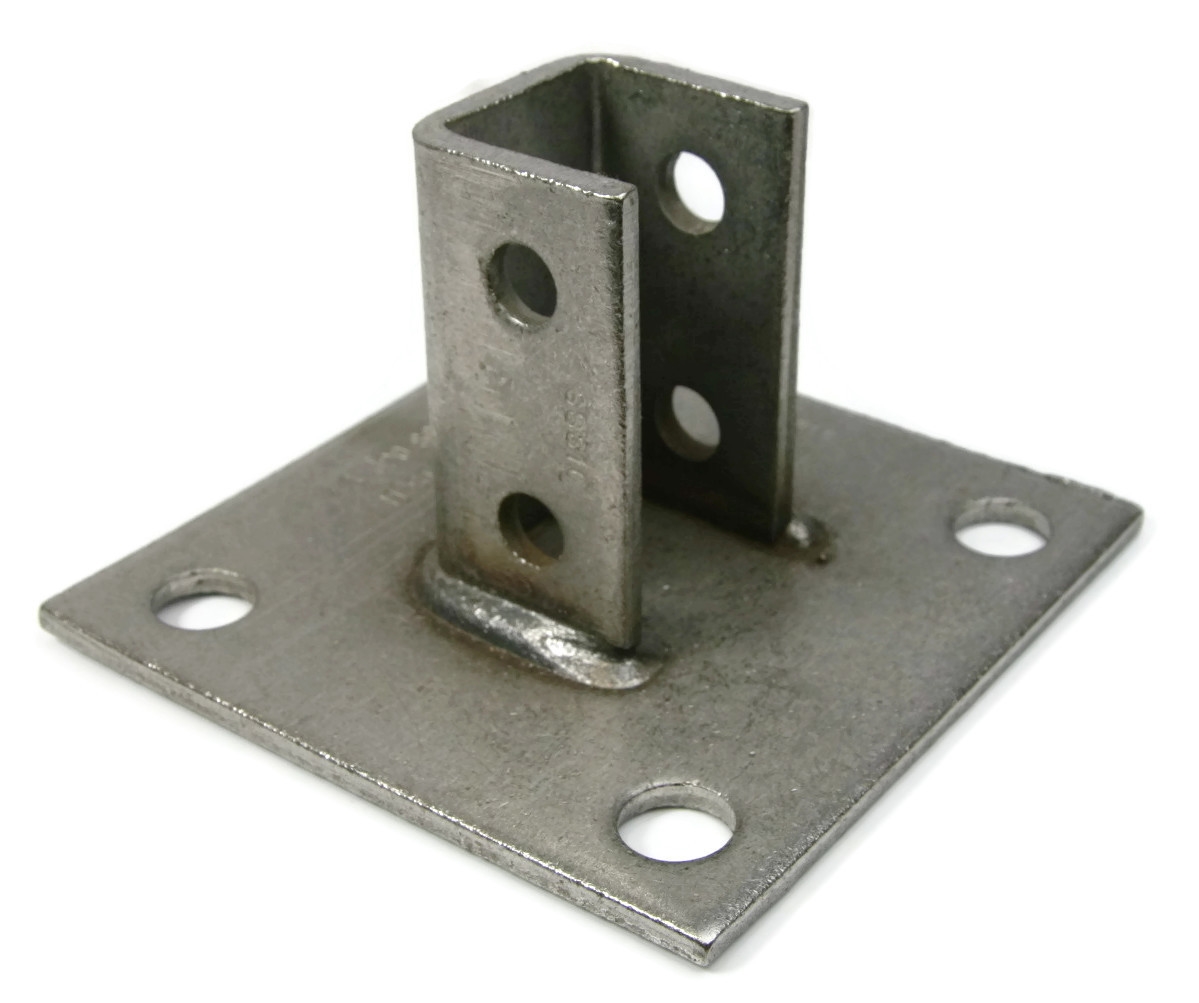

Tamper Proof Fasteners, Stainless Steel
Corrosion-resistant stainless security screws, nuts, and set screws with specialty drives that resist removal by standard tools.
Thread Inserts, Stainless Steel
Corrosion-resistant stainless inserts that create durable machine threads in wood, metal, or soft material, or repair stripped threads.
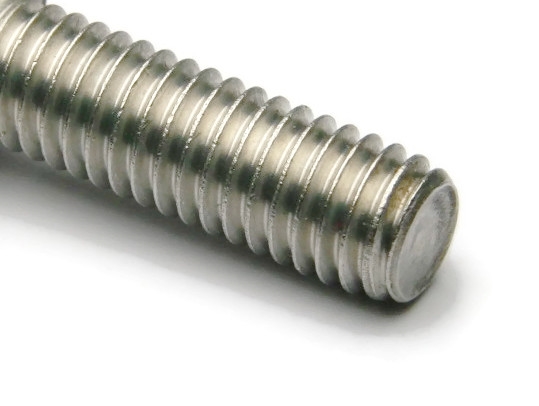
Threaded Rod, Stainless Steel
Corrosion-resistant fully threaded rod in 18-8, 316, and metric stainless to hang, join, and anchor, cut to length with nuts and washers.
.webp?ts=1757453430 "Threaded Studs, Stainless Steel")
.jpg?ts=1758393079 "Washers, Stainless Steel")
Washers, Stainless Steel
Corrosion-resistant washers in 18-8, 304, 316, and metric A2/A4 stainless to spread load, protect surfaces, and resist loosening.
18-8 vs 304 vs 316 stainless steel
- 18-8 stainless: a broad family (302, 304, and similar) with about 18% chromium and 8% nickel. Excellent general corrosion resistance for indoor, freshwater, and most outdoor use.
- 304 stainless: the most common grade, essentially a certified subset of 18-8. Great for inland outdoor use but can pit in salt.
- 316 stainless: adds 2 to 3% molybdenum for superior resistance to salt, chlorides, and pitting. The true marine grade for coastal and saltwater work.
Stainless steel vs galvanized and zinc-plated
Zinc-plated and hot-dip galvanized steel rely on a zinc coating that eventually wears or chips, exposing the steel to rust. Stainless carries its corrosion resistance in the metal itself, so it lasts longer in wet and coastal conditions and keeps a clean, bright appearance on visible hardware.
Why choose stainless steel fasteners
- Corrosion resistance: a passive chromium layer resists rust in wet and humid conditions.
- No coating to wear off: the resistance is in the metal, not a plating that can chip.
- Clean appearance: bright finish that stays attractive on visible hardware.
- Largely non-magnetic: 18-8, 304, and 316 are austenitic and effectively non-magnetic.
Common applications for stainless steel fasteners
- Docks, boats, and coastal construction (use 316)
- Decks, fences, railings, and outdoor structures
- Food processing, kitchens, and wash-down areas
- Pools, irrigation, and general wet-environment fastening
How to choose the right stainless grade
For indoor and freshwater use, 18-8/304 is economical and reliable. For coastal, saltwater, or road-salt exposure, step up to 316. Keep in mind stainless is roughly 35 to 40% weaker in tensile strength than Grade 5 carbon steel, so where high strength matters you may need a larger diameter or more fasteners.
Care tips for stainless steel hardware
- Rinse marine hardware with fresh water periodically to prevent salt crust and crevice corrosion.
- Brown tea staining on 316 is usually surface contamination, not failure. A light cleaning restores the bright finish.
- Match nuts, bolts, and washers in the same grade to avoid galvanic issues.
- Use anti-seize on threads to prevent galling, which stainless is prone to under high torque.
Stainless Steel Fasteners FAQ
Does stainless steel rust?
Stainless resists rust far better than plated steel, but it is not fully rustproof. In salt or chloride-heavy environments, 18-8 and 304 can pit and stain, which is why 316 is used for marine work.
Is stainless steel magnetic?
18-8, 304, and 316 are austenitic stainless and effectively non-magnetic, though heavy cold working can make them slightly magnetic. Magnetic pull alone is not a reliable way to tell the grade.
What is the difference between 18-8 and 316 stainless?
18-8 covers common 300-series grades like 304 with good all-around corrosion resistance. 316 adds molybdenum for much better resistance to salt and chlorides, making it the choice for coastal and marine use.
Is stainless steel as strong as Grade 8?
No. Standard 18-8/304/316 stainless is weaker than hardened carbon steel like Grade 5 or Grade 8. For high-strength jobs, size up or choose a specialty high-strength stainless.