

Roofing Screws

What Are Roofing Screws?
Roofing screws are specialized fasteners used to attach metal roofing panels, trim, ridge caps, closures, flashing, and related components to wood or metal framing. Many exposed-fastener roofing screws use a hex washer head with an EPDM sealing washer to help create a weather-resistant seal around the fastener penetration.
Roofing Screws

Metal to Metal
Roofing screws with fine or drill-point threads engineered to fasten metal panels directly to metal purlins or framing.

Metal to Wood
Roofing screws with coarse wood threads and a sealing washer engineered to fasten metal roofing panels to wood framing or decking.

PVC, Polycarbonate & Fiberglass to Wood
Roofing screws with sealing washers designed to fasten translucent and plastic roofing panels without cracking them.

Gutter & Aluminum
Fasteners designed for gutters and aluminum trim, resisting corrosion where dissimilar metals meet.
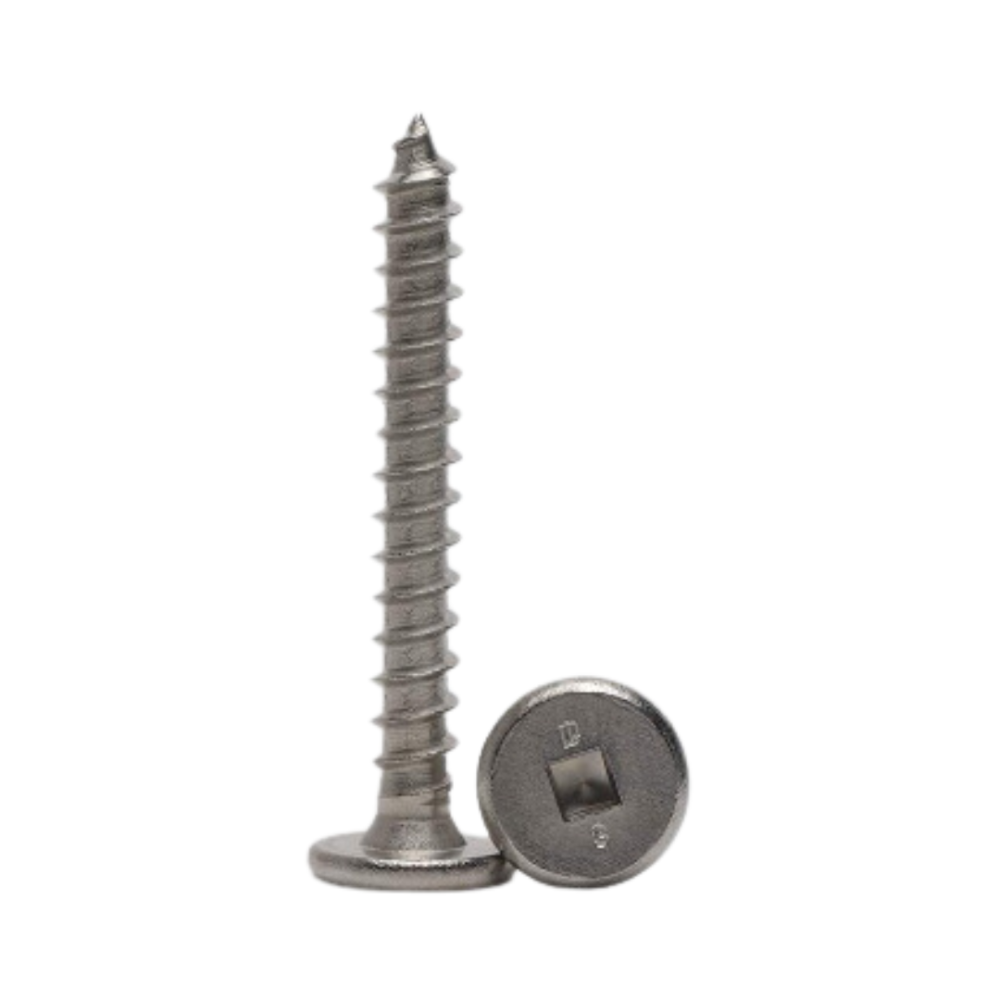
Standing Seam / Pancake Head
Low-profile pancake-head screws sized to fit under standing-seam clips and overlapping panels without interference.
Albany County Fasteners carries roofing screws for metal-to-wood, metal-to-metal, standing seam, panel laps, gutters, aluminum, fiberglass, polycarbonate, and replacement roofing applications. Choosing the correct roofing screw depends on the base material, panel type, point style, fastener length, corrosion exposure, and installation requirements.
Types of Roofing Screws
Metal-to-Wood Roofing Screws
Metal-to-wood roofing screws are designed to fasten metal roofing panels to wood purlins, framing, sheathing, or other suitable wood substrates. Depending on the product, they may use sharp points, Type 17 points, or other point designs intended to penetrate wood while securing the roofing panel.
Shop our Metal-to-Wood Roofing Screws.
Metal-to-Metal Roofing Screws
Metal-to-metal roofing screws are designed to fasten roofing panels or accessories to steel or other metal framing. Many use self-drilling points that drill and form threads during installation, eliminating the need for a separate pilot hole when the screw is properly matched to the metal thickness.
Shop our Metal-to-Metal Roofing Screws.
Roofing Stitch Screws
Stitch screws, sometimes called lap screws, are shorter roofing fasteners commonly used to join overlapping sheet-metal panels, side laps, trim, flashing, and other thin metal components. They are intended for panel-to-panel or light-gauge fastening rather than fastening the roofing panel directly into the main structural framing.
Standing Seam and Pancake Head Roofing Screws
Pancake head and other low-profile roofing screws are commonly used with standing seam clips and concealed-fastener roofing systems. Their wide, low-profile heads help keep the screw beneath overlapping panels or clips where additional head clearance could interfere with the roofing system.
Replacement Roofing Screws
Replacement roofing screws are used when an existing roofing fastener hole has enlarged, loosened, or no longer provides the required grip or sealing performance. Oversized replacement fasteners, including ReGrip-style roofing screws, can provide a new fastening solution without necessarily relocating the original hole.
The correct replacement screw should be selected according to the existing hole condition, roofing panel, substrate, required diameter, washer design, and manufacturer recommendations.
Metal-to-Wood vs. Metal-to-Metal Roofing Screws
The most important first step when selecting a roofing screw is identifying what material the screw will fasten into.
| Feature | Metal-to-Wood Roofing Screws | Metal-to-Metal Roofing Screws |
|---|---|---|
| Primary substrate | Wood framing, purlins, sheathing, or compatible wood substrates | Steel or other compatible metal framing |
| Common point style | Sharp point, Type 17, or other wood-oriented point | Self-drilling / TEK-style point |
| Installation | Designed to penetrate roofing panel and engage wood | Drills and forms threads in compatible metal thicknesses |
| Common use | Metal roofing attached to wood framing | Metal roofing attached to steel framing or metal components |
Using the wrong point style or fastener design can lead to poor penetration, weak thread engagement, damaged panels, or premature fastener failure. Always match the screw to the panel, substrate, combined material thickness, and roofing-system requirements.

What Does an EPDM Washer Do on a Roofing Screw?
Many exposed roofing screws use an EPDM rubber sealing washer beneath the metal washer or screw head. When properly installed, the EPDM washer compresses against the roofing panel to help seal the fastener penetration against moisture.
The washer must be compressed correctly. Too little compression may not create an effective seal, while excessive compression can deform, split, or damage the washer and shorten its service life.
How Tight Should Roofing Screws Be?
Roofing screws should be tightened enough to properly seat and compress the sealing washer without crushing, splitting, or excessively deforming it.
A properly seated roofing screw should generally sit square to the panel with the washer compressed evenly beneath the head. Overdriving can damage the washer, distort the panel, strip the substrate, or reduce sealing performance. Underdriving can leave the washer insufficiently compressed and allow movement or moisture intrusion.
Use the installation torque, driver setting, and fastening procedure recommended by the roofing-panel or fastener manufacturer.
How to Choose the Correct Roofing Screw Size
Roofing screws are selected by diameter, length, point style, head style, washer design, and material or coating. The correct combination depends on the roofing system and substrate.
Consider the following:
- Panel thickness: The screw must pass through the roofing panel and any additional layers in the connection.
- Base material: Choose a point and thread design appropriate for wood or metal framing.
- Required penetration or embedment: Follow the fastener and roofing-system requirements for the substrate being used.
- Combined metal thickness: For self-drilling screws, the drill point must be suitable for the total metal thickness being penetrated.
- Panel profile: Corrugated, ribbed, standing seam, and other roofing profiles can require different fastener lengths and head styles.
- Weather exposure: Select a coating or stainless steel grade suitable for the environment.
Do not rely on a single universal screw length for every metal roofing system. Follow the roofing-panel manufacturer, fastener manufacturer, project specification, or applicable engineering requirements.
Self-Drilling Roofing Screws and TEK Points
Self-drilling roofing screws combine drilling and thread-forming functions into a single fastener. Their drill-style points penetrate compatible metal without requiring a separate pre-drilled pilot hole when used within the point's intended drilling capacity.
The drill point must be matched to the combined thickness and type of metal being fastened. A point designed for thin sheet metal may not properly drill heavier structural steel, while an unnecessarily long drill point may not be appropriate for a thin sheet connection.
For additional self-drilling screw styles, browse our Self-Tapping & Self-Drilling Screws.
Roofing Screw Materials and Finishes
Roofing screws are available in different materials and protective coatings to suit varying levels of moisture and corrosion exposure.
- Coated carbon steel: Common roofing-screw materials may use zinc, zinc-aluminum, mechanical galvanized, polymer, ceramic, or other protective coating systems depending on the product.
- 18-8 / 304 stainless steel: Provides corrosion resistance for many outdoor and moisture-exposed applications.
- 316 stainless steel: Provides increased resistance to chloride-related corrosion and is commonly selected for marine, coastal, and saltwater environments.
- 410 stainless components: Some self-drilling fasteners use hardened stainless drill points or components where additional hardness is needed for drilling performance.
Always verify that the fastener material and coating are suitable for the roofing panel, substrate, environment, and project requirements.
Roofing Screws for Marine and Coastal Applications
Coastal and marine environments can expose roofing fasteners to salt, chlorides, moisture, and accelerated corrosion. In these conditions, stainless steel or premium corrosion-resistant fastening systems may be appropriate depending on the roofing manufacturer and project requirements.
316 stainless steel provides increased resistance to chloride-related corrosion compared with common 18-8 stainless grades and is widely used for demanding marine and coastal fastening applications.
Fastener selection should also account for compatibility with the roofing panel and other metals in the assembly to reduce the risk of galvanic corrosion.
Color-Matched Roofing Screws
Color-matched roofing screws use painted or coated heads designed to coordinate with common metal roofing panel colors. They allow exposed fasteners to blend more closely with the finished roof while maintaining the required fastening and sealing functions.
Color should be selected after confirming the correct screw diameter, length, point style, substrate compatibility, washer, material, and coating for the roofing system.
Where Should Roofing Screws Be Installed on Metal Roofing Panels?
Roofing screw placement depends on the specific roofing-panel profile and manufacturer instructions. Some systems require fasteners in panel flats or valleys, while others may specify ribs, crests, clips, or other locations.
Do not assume that one placement method applies to every metal roof. Follow the roofing-panel manufacturer's fastening pattern, spacing, and location requirements.
How to Install Roofing Screws
- Select the correct roofing screw: Match the point, thread, diameter, length, washer, and material to the panel and substrate.
- Position the screw correctly: Follow the roofing-panel manufacturer's required fastener location and spacing.
- Drive perpendicular to the panel: Angled installation can prevent the washer from sealing evenly.
- Use controlled driving speed: Avoid excessive speed or impact that could strip the substrate or damage the washer.
- Seat the washer correctly: Compress the EPDM washer evenly without crushing or splitting it.
- Inspect the installation: Verify that the screw is square, secure, and properly seated without visible washer distortion.
Common Roofing Screw Installation Problems
- Overdriving: Can crush the EPDM washer, strip the substrate, or distort the roofing panel.
- Underdriving: Can leave the washer loose and reduce sealing performance.
- Angled installation: Prevents the washer from seating evenly against the panel.
- Incorrect point style: Can cause poor penetration or insufficient thread engagement.
- Incorrect screw length: May result in inadequate engagement or unnecessary protrusion.
- Incorrect drill point: May fail to penetrate the combined metal thickness in metal-to-metal applications.
- Incorrect material or coating: Can lead to premature corrosion or incompatibility with the roofing system.
- Improper fastener location: Can reduce panel performance or compromise the manufacturer's installation requirements.
Roofing Screws vs. Standard Sheet Metal Screws
Roofing screws and standard sheet metal screws may both be used with metal, but roofing screws are specifically designed around the requirements of roofing and exterior panel systems.
Many roofing screws include sealing washers, corrosion-resistant coatings, roofing-specific point designs, and head styles intended for weather-exposed installations. Standard sheet metal screws may not provide the sealing or environmental performance required for a roofing application.
Roofing Screws vs. Roofing Nails
Roofing screws and roofing nails are different fastening systems. Metal roofing panels are commonly installed with screws designed for the specific metal roofing system, while roofing nails are widely used for asphalt shingles and other roofing materials according to the roofing manufacturer's requirements.
The correct fastener depends on the roofing material, panel system, substrate, wind-load requirements, and manufacturer's installation instructions.
Frequently Asked Questions About Roofing Screws
What screws should I use for metal roofing?
Use roofing screws specifically designed for the metal roofing panel and the substrate being fastened. Metal-to-wood installations typically require a wood-oriented point and thread design, while metal-to-metal applications commonly use self-drilling roofing screws matched to the combined metal thickness.
What is the difference between metal-to-metal and metal-to-wood roofing screws?
Metal-to-wood roofing screws are designed to penetrate the roofing panel and engage wood framing or sheathing. Metal-to-metal roofing screws are designed to fasten panels or components to metal framing and commonly use self-drilling points.
Do roofing screws need rubber washers?
Exposed roofing screws commonly use EPDM sealing washers to help seal the fastener penetration against moisture. Concealed fasteners and some specialty roofing screws may use different designs. Follow the roofing-system requirements for the application.
How tight should metal roofing screws be?
Tighten the screw enough to evenly compress the sealing washer without crushing, splitting, or excessively deforming it. The screw should sit perpendicular to the panel and should not be overdriven.
Can roofing screws be overtightened?
Yes. Overtightening can damage the sealing washer, distort the metal panel, strip the substrate, and reduce the long-term performance of the connection.
What is a roofing stitch screw?
A roofing stitch screw is a shorter fastener commonly used to join overlapping sheet-metal panels, side laps, trim, and similar light-gauge metal connections. It is not typically used as the main fastener securing the panel to the structural framing.
What are pancake head roofing screws used for?
Pancake head roofing screws have a wide, low-profile head and are commonly used for standing seam clips and concealed-fastener roofing systems where head clearance is limited.
What are replacement roofing screws?
Replacement roofing screws are designed for repairing roofing connections where an existing fastener has loosened or the original hole has become enlarged. Oversized replacement screws may provide additional thread engagement in the existing hole, subject to the roofing-system and fastener manufacturer's requirements.
Can I use stainless steel screws on a metal roof?
Yes, when the stainless steel fastener is compatible with the roofing panel, substrate, required mechanical properties, and environmental conditions. Stainless steel is commonly selected for corrosion-sensitive applications, but material compatibility should always be verified.
What roofing screws should I use near saltwater?
Marine and coastal environments require fasteners with suitable corrosion resistance. 316 stainless steel or another roofing-fastener system specifically rated for the exposure may be appropriate depending on the roofing material and project requirements.
Do self-drilling roofing screws need pilot holes?
Self-drilling roofing screws are designed to drill their own hole within the rated drilling capacity of the fastener. A separate pilot hole is generally not required when the screw is correctly matched to the material and thickness, but always follow the fastener manufacturer's installation instructions.
How do I know what length roofing screw to use?
Choose length based on the roofing-panel profile, material thickness, substrate, required penetration or embedment, and roofing-system specifications. There is no single roofing-screw length that is correct for every installation.
Should metal roofing screws go in the rib or the flat?
Fastener location depends on the specific roofing-panel system. Some manufacturers specify the panel flat or valley, while others may require fastening through a rib, clip, or other location. Always follow the roofing-panel manufacturer's installation instructions.
Why are my roofing screws leaking?
Leaks can result from damaged or deteriorated sealing washers, underdriven or overdriven screws, angled installation, enlarged holes, loose fasteners, corrosion, incorrect screw selection, or improper fastener placement. Inspect the roofing system and follow the roofing and fastener manufacturer's repair recommendations.