

Brass
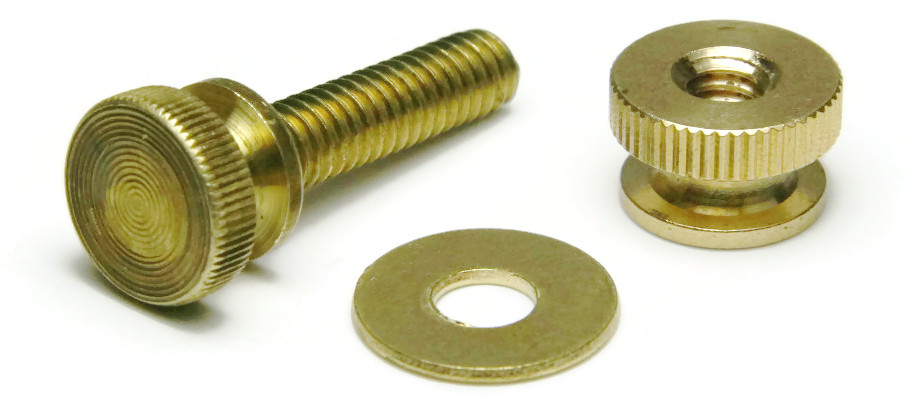
What are brass fasteners? Brass fasteners are copper-zinc alloy fasteners chosen above all for their warm golden appearance, the reason brass is picked where hardware will be visible. Beyond looks they resist corrosion well in most environments, conduct electricity and heat, are non-magnetic and non-sparking, and machine cleanly for fine threads. Brass is softer and lower in strength than steel, so it suits decorative, electrical, and light-duty work rather than high-load structural joints. AlbanyCountyFasteners.com stocks screws, bolts, nuts, washers, rivets, threaded inserts, rod, and cotter pins in brass.
Brass
.jpg?ts=1757453411 "Screws & Bolts, Brass")
Screws & Bolts, Brass
Golden brass screws and bolts for visible woodwork, decorative and electrical work. Wood and machine screws.
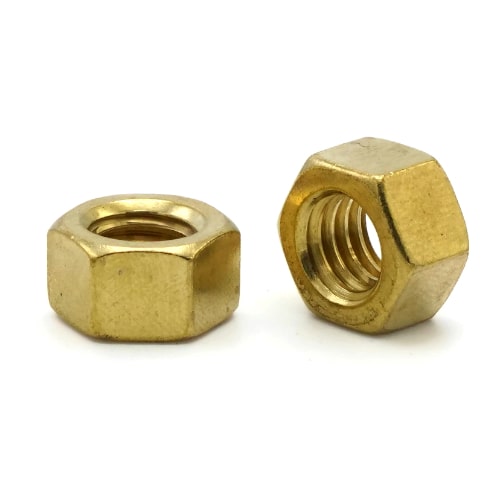
Nuts, Brass
Golden brass nuts for electrical, decorative and light assembly. Hex, jam, nylon lock and knurled thumb styles.
.jpg?ts=1757453411 "Washers, Brass")
Washers, Brass
Golden brass washers to match brass joints and spread load. Flat and cup styles.
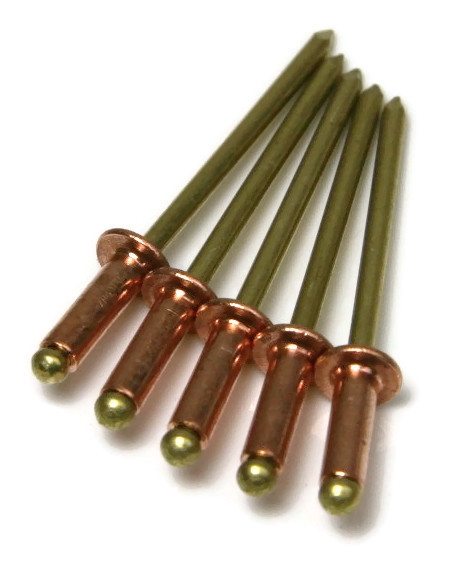
Rivets, Brass
Golden brass rivets for permanent decorative and conductive joints. Open end dome head.
.jpg?ts=1757453412 "Threaded Inserts, Brass")
Threaded Inserts, Brass
Brass inserts that give wood or panel a durable machine thread. Well nuts and wood inserts.
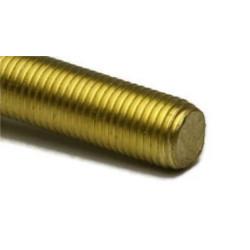
Threaded Rod, Brass
Golden brass threaded rod cut to length for custom conductive or decorative fasteners.
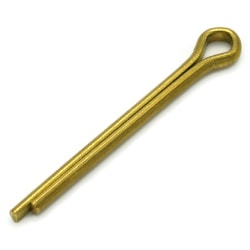
Cotter Pins, Brass
Golden brass cotter pins that secure clevis pins and castle nuts. Corrosion resistant and non-magnetic.
Videos
Play videoWhen brass is the right fastener
Brass earns its place first on appearance. No other common fastener metal offers that warm gold color, so on visible woodwork, cabinetry, marine trim, antique restoration, and decorative hardware, brass is chosen precisely because it will be seen and is meant to look good doing its job. Behind the looks sit real functional reasons too. Brass resists corrosion well in most atmospheric and freshwater conditions, which is why it has long served in plumbing and marine fittings. It conducts electricity and heat, making it a standard for terminals, connectors, and electrical hardware, where its golden color also visually flags the conductive fasteners apart from structural ones. It is non-magnetic and non-sparking, useful around instruments and flammable atmospheres, and it machines beautifully, taking fine threads and crisp detail. The trade-offs are honest: brass is softer and weaker than steel, so it is not for high-strength structural loads, and in certain aggressive or high-zinc conditions it can suffer dezincification, where zinc leaches out and weakens the metal. Chosen for looks, conductivity, or corrosion in the right setting, brass is the fastener that does the job and looks the part.
Why choose brass fasteners
- Warm golden appearance for visible and decorative hardware
- Good corrosion resistance in most atmospheric and freshwater settings
- Conducts electricity and heat for terminals and connectors
- Non-magnetic and non-sparking
- Machines cleanly for fine threads and crisp detail
What we stock
- Screws and bolts including wood screws and machine screws
- Nuts in hex, jam, nylon lock, and knurled thumb patterns
- Washers in flat and cup styles
- Rivets and threaded inserts for sheet, panel, and wood
- Threaded rod and cotter pins for custom lengths and pinning
Common applications
- Visible woodwork, cabinetry, and furniture
- Decorative and architectural hardware
- Antique and marine restoration
- Electrical terminals and connectors
- Non-magnetic and non-sparking assemblies
- Any fastener where appearance or conductivity matters
Brass Fastener FAQs
Why choose brass over stainless?
Mainly for its golden appearance where hardware is visible, and for electrical conductivity and non-magnetic behaviour. Stainless is stronger and more corrosion resistant in harsh salt, but it cannot match brass's decorative look or conductivity.
Are brass fasteners strong enough for structural work?
Brass is softer and weaker than steel, so it suits decorative, electrical, and light-duty work rather than high-strength structural joints. Choose it for looks, conductivity, or corrosion match, not maximum load.
Does brass corrode?
Brass resists corrosion well in most atmospheric and freshwater conditions and develops a patina over time. In certain aggressive or high-zinc conditions it can suffer dezincification, where zinc leaches out and weakens the metal.
Will brass tarnish?
Yes, brass naturally darkens to a patina over time, which many value for an antique look. It can be polished back to bright gold, or lacquered to hold its shine, depending on the finish you want.
Is brass magnetic?
No, brass is non-magnetic, which suits instruments, electronics, and any assembly where a magnetic fastener would interfere. It is also non-sparking for hazardous atmospheres.
Can I use brass fasteners in salt water?
Brass has served in marine hardware for its corrosion resistance, but for aggressive salt exposure silicon bronze or 316 stainless generally outlast it. For freshwater and moderate marine use, brass performs well and looks the part.