

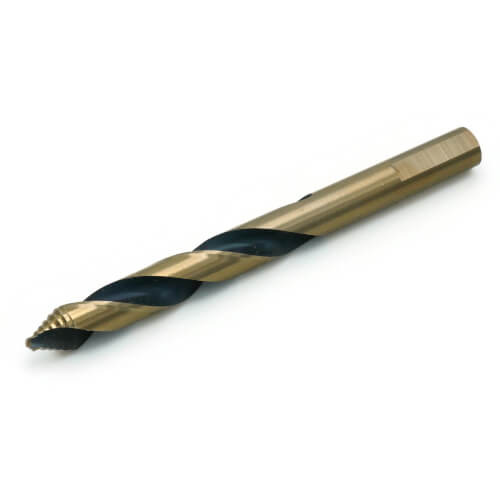
What Are Mechanic Length Drill Bits?
Mechanic length drill bits are shorter-length twist drills designed to provide increased rigidity, reduced flex, and improved access compared with standard jobber length drill bits. Their compact construction makes them useful for metalworking, automotive repair, fabrication, maintenance, machinery, and other applications where drilling space is limited or a shorter, more rigid drill is preferred.
The term mechanic length refers to the drill bit's length configuration rather than its diameter or cutting material. Mechanic length drills have shorter flutes and a shorter overall length than comparable jobber length drill bits.
What Does Mechanic Length Mean?
"Mechanic length" describes a shorter drill-bit configuration designed to provide a compact working length while retaining enough flute length for many general drilling applications. The exact overall length varies according to the diameter of the drill bit.
Because a shorter drill bit has less unsupported length between the drill chuck and cutting point, mechanic length bits can provide greater rigidity and reduced deflection compared with longer drill bits of the same diameter.
What Are Mechanic Length Drill Bits Used For?
Mechanic length drill bits are useful when a standard jobber length drill is longer than necessary or when additional rigidity is beneficial. Their shorter construction makes them particularly useful for drilling in machinery, vehicles, equipment, and confined work areas.
- Automotive maintenance and repair
- Machinery and equipment service
- Metal fabrication
- Production and manufacturing
- Maintenance and repair operations
- Drilling in confined or restricted spaces
- Drill press and machine-shop applications
- Applications where reduced drill-bit flex is preferred
Mechanic Length vs. Jobber Length Drill Bits
The primary difference between mechanic length and jobber length drill bits is their overall length and flute length. Mechanic length drills are shorter, while jobber length drills provide greater reach and drilling depth.
| Feature | Mechanic Length Drill Bits | Jobber Length Drill Bits |
|---|---|---|
| Overall Design | Shorter, compact length | Standard general-purpose length |
| Rigidity | Greater rigidity due to shorter length | Good general-purpose rigidity |
| Flex / Deflection | Reduced | Greater than comparable shorter drills |
| Reach | Shorter reach | Greater reach |
| Hole Depth | Best for shallower drilling requirements | Better when additional drilling depth is needed |
| Best For | Tight spaces, machinery, automotive, and rigid setups | General-purpose drilling and applications requiring more reach |
Choose a mechanic length drill bit when compact size and rigidity are more important than maximum drilling depth. Choose a jobber length drill bit when the application requires additional reach or flute length.
Why Use a Shorter Drill Bit?
A shorter drill bit can offer several advantages when additional length is unnecessary. Reducing the distance between the drill chuck and cutting point makes the drill more rigid and can reduce flex while drilling.
- Increased rigidity: Shorter construction helps reduce drill-bit flex.
- Better access: Compact length can fit where longer drill bits cannot.
- Controlled drilling: Reduced deflection can be beneficial when starting and maintaining a hole.
- Compact tool setup: Useful around machinery, vehicles, equipment, and confined assemblies.
Mechanic Length Drill Bits for Metal
Mechanic length drill bits are commonly used for metal drilling where their shorter construction provides the required reach while maintaining a rigid drilling setup. Applications include steel fabrication, automotive work, machinery repair, maintenance, and manufacturing.
Always match the drill-bit material and cutting geometry to the workpiece. Drill speed, feed pressure, lubrication, and workpiece material all affect drilling performance and drill-bit life.
Mechanic Length Drill Bits for Tight Spaces
One of the primary reasons to choose a mechanic length drill is limited working clearance. Automotive components, machinery, assembled equipment, structural members, and other obstructions can prevent a standard-length drill from fitting between the drill and the workpiece.
A shorter mechanic length bit reduces the overall length of the drilling setup and can provide access where a longer jobber drill would be difficult or impossible to position correctly.
Mechanic Length Drill Bits for Automotive & Equipment Repair
Mechanic length drills are particularly useful for automotive, mechanical, and equipment maintenance because many drilling locations are surrounded by components that limit tool clearance.
Their shorter length can help when drilling brackets, frames, machinery components, equipment panels, and other metal parts where working space is restricted.
How to Choose a Mechanic Length Drill Bit
Choose the drill bit based on the workpiece material, required hole diameter, available clearance, hole depth, and drill-bit material.
- Diameter: Select the required finished hole size.
- Available space: Confirm that the shorter mechanic length provides the clearance required for the drill and workpiece.
- Hole depth: Make sure the available flute length is sufficient for the required drilling depth.
- Workpiece material: Choose a drill-bit construction appropriate for the metal or other material being drilled.
- Rigidity: Consider mechanic length when reduced flex is beneficial to the drilling operation.
When Should I Choose Mechanic Length Instead of Jobber Length?
Choose mechanic length when the application does not require the additional reach of a jobber drill. If both lengths can reach the required drilling depth, the shorter mechanic length may provide a more compact and rigid setup.
Mechanic length is especially useful when drilling clearance is restricted by nearby components or when reducing drill-bit deflection is important. Jobber length remains the more versatile choice when additional reach or drilling depth is required.
Tips for Drilling Metal With Mechanic Length Drill Bits
- Secure the workpiece to prevent movement while drilling.
- Center punch the hole location where appropriate to help establish the drilling position.
- Use the correct drill speed for the drill diameter and material.
- Apply steady feed pressure and allow the cutting edges to remove material.
- Use appropriate cutting fluid when recommended for the drill and workpiece material.
- Clear chips as needed to control heat and maintain cutting performance.
- Do not force a dull bit: Replace or sharpen worn drill bits when cutting performance decreases.
Related Drill Bit Categories
Mechanic Length Drill Bits FAQs
What is a mechanic length drill bit?
A mechanic length drill bit is a shorter-length twist drill designed to provide increased rigidity and a more compact drilling setup than a comparable jobber length drill bit. It is commonly used for metal drilling, maintenance, automotive work, fabrication, and tight-access applications.
What does mechanic length mean for a drill bit?
Mechanic length refers to a shorter overall length and flute length compared with a standard jobber length drill bit. The exact dimensions depend on the diameter of the drill.
What is the difference between mechanic length and jobber length drill bits?
Mechanic length drill bits are shorter and more rigid, while jobber length drill bits provide greater reach and drilling depth. Mechanic length is useful for tight spaces and applications where reduced flex is preferred.
Are mechanic length drill bits shorter than jobber bits?
Yes. Mechanic length drill bits have a shorter overall length and shorter flute length than comparable jobber length drill bits.
Why would I use a shorter drill bit?
A shorter drill bit provides a more compact drilling setup and increased rigidity. It can reduce flex and provide access in confined areas where a longer drill bit may not fit.
Are mechanic length drill bits good for metal?
Yes. Mechanic length drill bits are commonly used for drilling metal in fabrication, automotive, machinery, maintenance, repair, and manufacturing applications. Choose the drill-bit material and cutting geometry appropriate for the specific metal.
Are mechanic length drill bits good for tight spaces?
Yes. Their shorter overall length makes mechanic length drill bits particularly useful when machinery, vehicle components, equipment, or other obstructions limit the available drilling space.
Are shorter drill bits more rigid?
When comparing drill bits of similar diameter and construction, a shorter drill generally has less unsupported length and therefore greater rigidity and less potential deflection than a longer drill.
When should I use a jobber bit instead of a mechanic length bit?
Use a jobber length drill bit when the application requires more reach or a deeper hole than the shorter mechanic length drill can provide. For general-purpose drilling where access is not restricted, jobber length is a versatile standard option.
Can mechanic length drill bits be used in a drill press?
Yes, when the drill bit is compatible with the chuck, workpiece material, and drilling application. The shorter length can provide a rigid setup for applicable drill-press operations.