

Sheet Metal Screws, Marine Grade
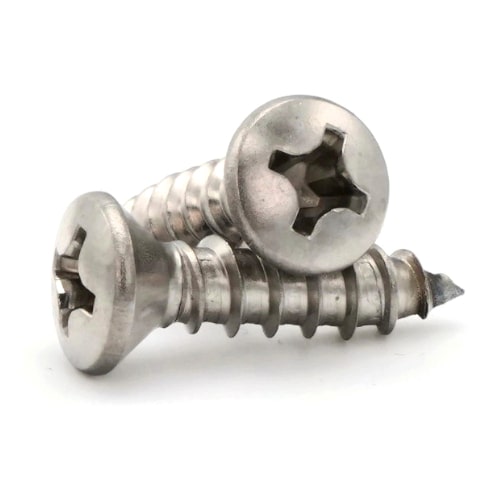
What are marine grade sheet metal screws? Sheet metal screws are self-tapping screws with sharp, coarse threads that cut their own mating thread as they drive into metal, plastic, or thin material, holding without a nut. In 316 stainless they bring that quick, no-nut fastening to salt-exposed sheet work: boat panels, enclosures, trim, and fittings, resisting the corrosion that would seize and streak a plated screw. AlbanyCountyFasteners.com stocks them in a full range of head styles in 316 stainless steel.
Sheet Metal Screws, Marine Grade
.jpg?ts=1757677846 "Phillips Pan Head")
Phillips Pan Head
Rounded self-tapping screw with a Phillips drive, the everyday sheet metal fastener.
.jpg?ts=1755909131 "Phillips Flat Head")
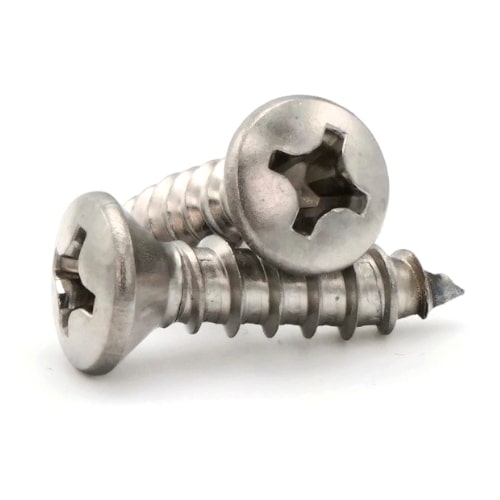
Phillips Oval Head
Countersunk self-tapper with a rounded top for a finished look, Phillips drive.

Phillips Truss Head
Wide low head that covers oversized holes, self-tapping with a Phillips drive.

Slotted Hex Washer Head
Hex head with a built-in washer flange, driven by wrench or slot for extra grip.
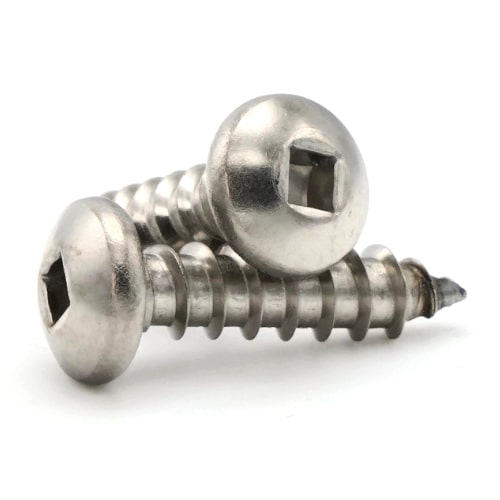
Square Drive Pan Head
Rounded self-tapper with a square recess that grips the bit and resists cam-out.
Self-tapping in a salt environment
The value of a sheet metal screw is that it makes its own thread and needs no nut on the back, so you can fasten from one side into panel, tube, or bracket. That one-sided convenience is exactly what boat and marine fabrication needs, where the back of a panel is often closed off. The catch in a salt environment is that the screw cuts through any protective coating on itself as it drives, exposing bare metal at the threads; a plated screw starts corroding there immediately. 316 stainless has no coating to breach, resisting chloride corrosion through its full section, so the self-tapped joint stays sound. Head style then sets the finish: pan and truss sit proud and spread load, flat and oval countersink flush, and a slotted hex washer head gives a built-in flange and wrench option for a firm, sealing seat.
Why choose 316 stainless sheet metal screws
- Self-tapping threads cut their own mating thread, no nut required
- Fastens from one side into panel, tube, or bracket
- 316 stainless resists corrosion at the cut threads where coatings fail
- Full range of head styles for flush, proud, or flanged seating
- Suits metal, plastic, and thin composite marine materials
Common applications
- Boat panels, trim, and interior fit-out
- Marine electrical and equipment enclosures
- Fittings and brackets on sheet material
- HVAC and ducting in coastal buildings
- Signage and hardware on docks and marinas
- Any self-tapped connection facing salt or spray
Marine Sheet Metal Screw FAQs
Do I need a pilot hole?
For thin sheet the screw can often start on its own, but a correctly sized pilot gives cleaner threads, less distortion, and reliable holding in thicker or harder material. Pilot sizing depends on material and thickness.
Why 316 rather than coated sheet metal screws?
A self-tapping screw cuts through its own coating as it forms the thread, exposing bare metal where a plated screw then rusts. 316 stainless has no coating to breach and resists corrosion through its section, so the joint stays sound in salt.
Which head style should I use?
Pan and truss heads sit proud and spread load; flat and oval countersink flush; a slotted hex washer head brings a built-in flange and a wrench option for a firm, sealing seat. Choose by finish and bearing area.
Can these fasten into plastic and composite?
Yes, sheet metal screws suit many plastics and thin composites as well as metal. In brittle materials, pilot holes prevent cracking, and thread-forming behaviour varies with the material, so test in scrap first.
Will they hold in thin panel?
Holding comes from thread engagement in the material, so very thin panel offers limited grip. Where more hold is needed, a hex washer head spreads the bearing surface, or a rivet nut can provide a stronger machine thread.
Do I still need to worry about galling?
Self-tappers into stainless or hard material can gall or seize under speed and heat. Drive at moderate speed and avoid overdriving. A slower finish to the drive helps seat the head without stripping the freshly cut thread.