

Drywall Anchors
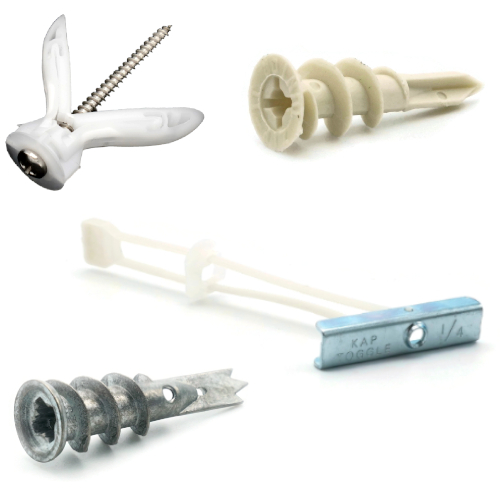
Resources
What Are Drywall Anchors?
Drywall anchors are fasteners designed to securely attach fixtures, hardware and other items to drywall when a wall stud is not available. Depending on the anchor design, they may grip the drywall, expand behind the wall or use wings or straps to distribute the load across a larger area. Albany County Fasteners carries self-drilling drywall anchors, hollow wall anchors, toggle bolts and other hollow-wall fastening solutions for mounting shelves, mirrors, brackets, hooks, fixtures and hardware. Many of these anchor styles can also be used in plaster walls when installed using the appropriate method.
Anchors for Drywall & Plaster
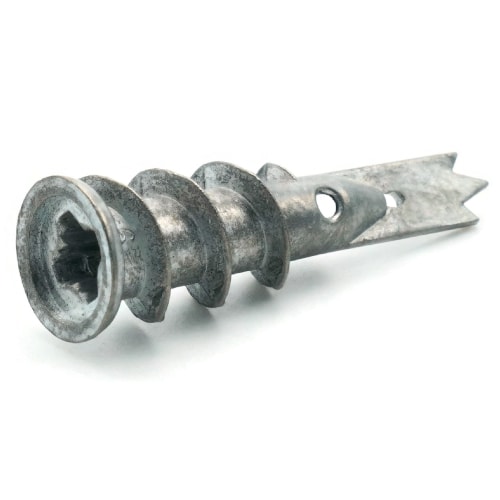
Self Drilling Drywall
Anchors with a sharp threaded tip that bores into drywall without a pilot hole for quick light-duty mounting.
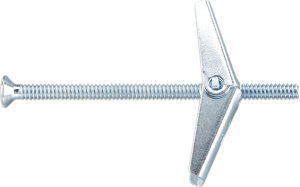
Toggle Bolts
Hollow-wall anchors with spring-loaded wings that open behind the wall and brace against the backside as the bolt tightens, spreading the load for heavier items.
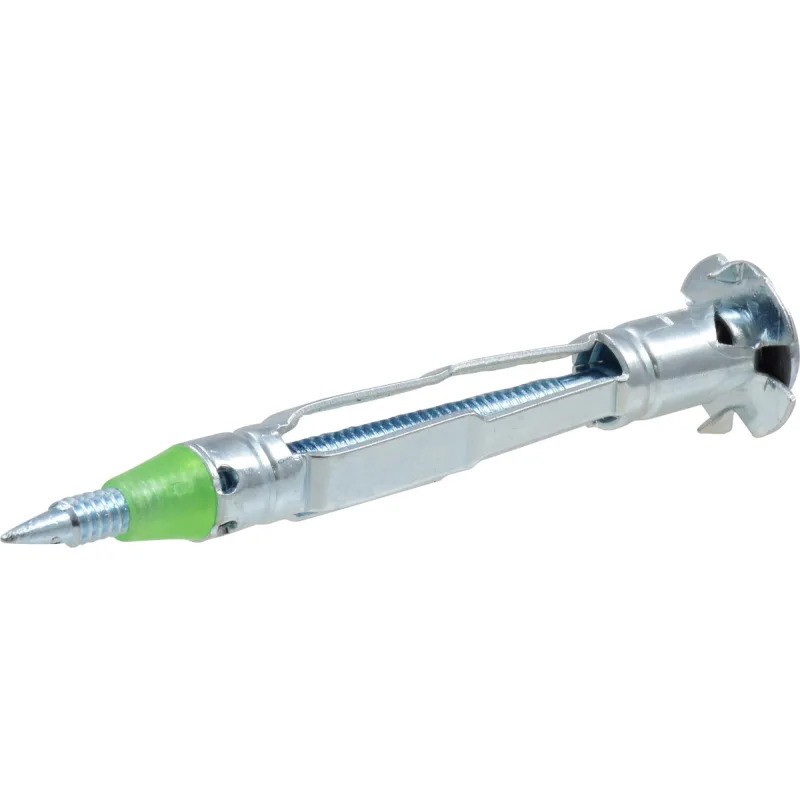
Hollow Wall
Anchors that expand or brace behind hollow wall material to support fixtures where there's no solid backing.
Videos
Play videoWhat Are Drywall Anchors?
Drywall anchors are fasteners designed to securely attach fixtures, hardware, and other items to drywall when a wall stud is not available. Depending on the anchor design, they may grip the drywall, expand behind the wall, or use wings or straps to distribute the load across a larger area.
Albany County Fasteners carries self-drilling drywall anchors, hollow wall anchors, toggle bolts, and other hollow-wall fastening solutions for mounting shelves, mirrors, brackets, hooks, fixtures, and hardware. Many of these anchor styles can also be used in plaster walls when installed using the appropriate method.
What Are Drywall Anchors Used For?
Drywall anchors provide a secure attachment point when a screw cannot be fastened directly into a wall stud or other structural backing. Common applications include:
- Hanging pictures, mirrors, and wall decorations
- Mounting shelves and storage systems
- Installing curtain rods and window hardware
- Attaching hooks, towel bars, and bathroom accessories
- Mounting brackets, electrical fixtures, and other hardware
- Fastening into hollow walls where no stud is available at the required mounting location
For heavier items, always verify the anchor's published load rating and installation requirements. When possible, heavy fixtures should be attached directly to a wall stud or other structural framing.
How Do Drywall Anchors Work?
Drywall anchors create a secure attachment point when a screw cannot be fastened directly into a wall stud. Depending on the design, an anchor may grip the drywall itself, expand behind the wall, or open wings or straps behind the drywall to distribute the load.
The appropriate anchor design depends on the weight of the fixture, wall thickness, available clearance behind the wall, installation requirements, and whether the fastener may need to be removed later.
Learn More About Drywall & Wall Anchors
Not sure which anchor is right for your project? Watch our popular Fasteners 101 guide, viewed more than 386,000 times, for an overview of common anchor types, how they work, and where they are used.
Watch: All About Anchors | Fasteners 101 →
Types of Drywall Anchors
Self-Drilling Drywall Anchors
Self-drilling drywall anchors install directly into drywall without requiring a large pre-drilled hole. Available in plastic and metal styles, they provide a convenient fastening solution for many light- to medium-duty mounting applications. After the anchor is installed flush with the wall surface, a compatible screw is driven into the anchor to secure the fixture.
Hollow Wall Anchors
Hollow wall anchors, sometimes called molly bolts, expand behind the drywall as the screw is tightened. The expanded portion braces against the back of the wall, helping distribute the load over a larger area. Hollow wall anchors are useful for many medium-duty applications and can be a good choice when the screw may need to be removed while leaving the installed anchor in place.
Toggle Bolts
Toggle bolts and toggle anchors use wings, straps, or another locking mechanism behind the wall to distribute the load over a larger area. They are commonly selected for heavier-duty hollow-wall applications where adequate clearance exists behind the drywall.
Actual load capacity varies significantly by toggle design, diameter, wall thickness, wall condition, installation method, and manufacturer. Always follow the published load ratings and installation instructions for the specific anchor.
How to Choose the Right Drywall Anchor
Choosing the correct drywall anchor depends on the item being mounted, the wall construction, and the requirements of the installation. Consider the following factors:
- Required load: Choose an anchor with a published load rating appropriate for the fixture and application.
- Wall thickness: Some hollow wall anchors and toggles require a specific wall thickness or grip range.
- Clearance behind the wall: Toggle bolts and other expanding anchors require enough open space behind the drywall to deploy properly.
- Hole size: Some anchors install with minimal preparation, while toggles and hollow wall anchors may require a larger pre-drilled hole.
- Future removal: Consider whether the screw or fixture may need to be removed and reinstalled later.
- Wall material: Drywall, plaster, plaster and lath, and other hollow-wall materials may require different anchor styles or installation methods.
How to Install Drywall Anchors
Installation varies by anchor design, so always follow the instructions provided for the specific fastener. General installation methods include:
- Self-drilling anchors: Drive the anchor into the drywall until it is flush with the surface, then install the appropriate screw and tighten until the fixture is secure.
- Hollow wall anchors: Drill the specified pilot hole, insert the anchor, and tighten according to the manufacturer's instructions so the anchor expands securely behind the wall.
- Toggle bolts and toggle anchors: Drill the specified opening, insert or deploy the toggle mechanism behind the wall, and tighten the fastener until the fixture is securely mounted.
Avoid overtightening drywall anchors. Excessive torque can damage the drywall, strip the anchor, deform the wall surface, or reduce the strength of the installation.
Drywall Anchor Materials
Plastic and Nylon Drywall Anchors
Plastic and nylon anchors are lightweight, corrosion resistant, and non-conductive. They are commonly used for lighter-duty mounting applications and are easy to install with basic tools.
Steel Drywall Anchors
Steel anchors provide additional strength and durability for many hollow-wall fastening applications. Zinc plated steel provides an economical finish for general-purpose interior installations.
Stainless Steel Hardware
Stainless steel anchor components and hardware can provide increased corrosion resistance for damp or moisture-prone environments when available. Always verify that the complete anchoring system is suitable for the intended environment.
Drywall Anchors vs. Toggle Bolts vs. Hollow Wall Anchors
Self-drilling drywall anchors, hollow wall anchors, and toggle bolts secure fixtures to hollow walls in different ways.
- Self-drilling drywall anchors are convenient and require minimal wall preparation for many lighter-duty mounting applications.
- Hollow wall anchors expand behind the wall and are useful for applications where a secure mechanical hold and removable screw are desired.
- Toggle bolts and toggle anchors distribute load across a larger area behind the wall and are commonly selected for heavier-duty hollow-wall fastening applications.
There is no single anchor type that is strongest in every installation. Actual holding strength depends on the specific anchor, fastener size, drywall thickness and condition, installation method, load direction, and manufacturer rating.
Can Drywall Anchors Be Used in Plaster Walls?
Some drywall anchor types can also be used in plaster walls, but installation depends on the wall construction. Plaster and lath can be harder and more brittle than drywall, so pre-drilling a clean hole is often recommended.
Toggle bolts and certain hollow wall anchors can be useful in plaster and lath because they secure the fixture by bearing against the back of the wall assembly rather than relying only on the plaster itself. Always confirm that the selected anchor is suitable for the wall material, wall thickness, and required load.
Drywall Anchor Load Ratings and Wall Conditions
The amount of weight a drywall anchor can support depends on more than the type of anchor. Important factors include:
- Anchor design and diameter
- Drywall thickness and condition
- Fastener size
- Proper installation
- Spacing between multiple anchors
- Distance from drywall edges or damaged areas
- Direction and type of load
Always use the manufacturer's published load data when selecting an anchor. Do not assume that two anchors of the same general type have the same load capacity.
Drywall Anchor Resources
Frequently Asked Questions About Drywall Anchors
Which drywall anchor should I use for shelves?
The appropriate anchor depends on the size and weight of the shelf, what will be stored on it, the number of mounting points, and the wall construction. Self-drilling or hollow wall anchors may be suitable for lighter applications, while toggle anchors are commonly used where greater load capacity is required. For heavier shelving, fastening at least one mounting point directly into a wall stud or structural backing is preferred whenever possible.
How much weight can a drywall anchor hold?
There is no universal weight rating for drywall anchors. Capacity varies by anchor type, size, wall thickness, wall condition, installation method, and load direction. Always use the published working-load or allowable-load information for the specific anchor rather than relying on a general rating for an anchor category.
Do drywall anchors work in plaster walls?
Some do. Plaster and lath require different installation considerations than standard drywall. Pre-drilling is often recommended to reduce cracking, and toggle bolts or suitable hollow wall anchors may provide a secure attachment by bearing against the back of the wall assembly. Verify that the selected anchor is approved for the wall construction and required load.
Do I need to pre-drill for drywall anchors?
It depends on the anchor. Many self-drilling drywall anchors are designed to install without a conventional pilot hole. Hollow wall anchors and toggle bolts typically require a specified hole size. Always follow the installation instructions for the specific anchor.
What size hole do I drill for a toggle bolt?
The required hole diameter depends on the toggle design and fastener size. The opening must be large enough for the toggle mechanism to pass through the wall and deploy correctly. Use the hole diameter specified by the manufacturer for the particular toggle bolt or anchor.
Can I remove a screw from a drywall anchor?
Many hollow wall anchors are designed to remain installed when the screw is removed, allowing a fixture to be removed or replaced. Other anchor designs may loosen, fall behind the wall, or lose holding strength when disassembled. Whether an anchor can be reused depends on its design and manufacturer instructions.
Why is my drywall anchor spinning?
A drywall anchor may spin if the hole is oversized, the drywall is damaged or crumbling, the anchor was overtightened, or the anchor is not appropriate for the wall thickness. Do not continue tightening a spinning anchor. Move to sound wall material or select an appropriate alternative anchor according to the installation requirements.
Can drywall anchors be used in a ceiling?
Only use an anchor overhead when the specific product is rated for ceiling installation and for the required load. Overhead loading can differ significantly from wall-mounted loading. Heavy items should be attached directly to ceiling joists or other structural framing whenever possible.
Are toggle bolts stronger than regular drywall anchors?
Toggle anchors are commonly used for heavier-duty hollow-wall applications because they distribute load over a larger area behind the wall. However, holding strength varies considerably between products. A toggle bolt should not automatically be assumed to support a particular weight without checking its published load rating for the wall material and thickness.