

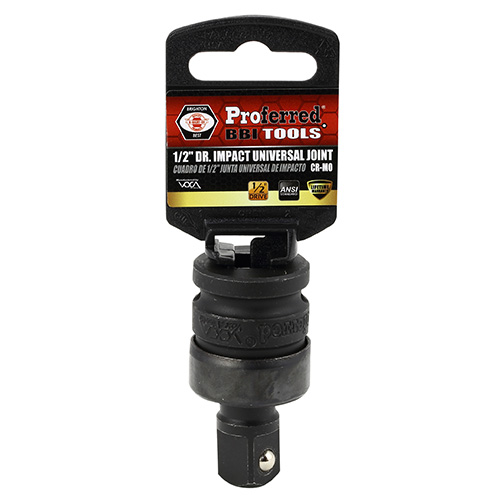
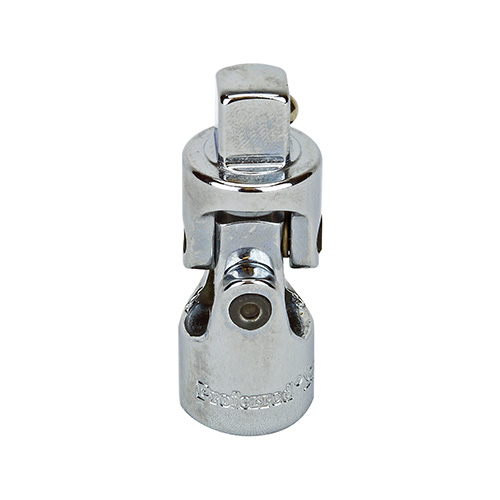
Why Choose Flex Socket Adapters?
Flex socket adapters are used when a straight socket extension or ratchet setup cannot line up directly with the fastener. The flexible joint helps create angled access for nuts, bolts and other compatible fasteners in tight, recessed or obstructed areas.
These adapters are commonly used in maintenance, repair, installation work, machinery, equipment, brackets, panels and other assemblies where tool access is limited. The correct flex socket adapter depends on the drive size, socket compatibility, angle needed and torque requirements of the job.
Choosing the Right Flex Socket Adapter
The right flex socket adapter should match the drive size of the socket, ratchet, extension or adapter being used. Before ordering, confirm the square drive size, tool compatibility and whether a flex adapter, straight extension or drive size adapter is the better fit for the access problem.
Angled Access
Flex socket adapters are helpful when the fastener is not perfectly aligned with the tool. The flexible joint allows the socket to approach the fastener at an angle, making it easier to work around obstructions or reach into tighter areas.
Drive Size Compatibility
Flex socket adapters are selected by drive size. The drive size should match the socket and tool setup, unless another compatible adapter is being used. Check both ends of the adapter so it fits the ratchet, extension and socket being used.
Flex Adapters vs Socket Extensions
Socket extensions add reach in a straight line. Flex socket adapters help with angled access. In some tool setups, a socket extension and flex adapter may be used together, but the full setup should still be stable, properly seated and suited to the torque being applied.
Installation and Compatibility Considerations
Before using a flex socket adapter, make sure the adapter is fully seated on the socket, ratchet, extension or driver. Keep the socket engaged with the fastener as fully as possible and avoid applying excessive side load. A flex adapter can improve access, but it may reduce the direct feel and control compared to a straight socket setup.
For higher-torque applications, confirm that the socket, adapter, extension and driving tool are all suitable for the job. Use the least amount of angle needed to reach the fastener, and compare impact-rated accessories when using impact tools.
Related Socket and Bit Categories
Browse related socket, adapter, extension and driver categories to compare tool accessories for different fastening setups.
- Sockets and Bits
- Sockets, Adapters, Extensions and Accessories
- Socket Extensions
- Socket Adapters
- Socket Sets
- Nutsetters
- Bit Holders
- Screwdriver Bits
- Power Driver Bits
- Insert Driver Bits
- Tools
Flex Socket Adapters FAQs
What are flex socket adapters used for?
Flex socket adapters are used to help sockets reach fasteners at an angle when a straight ratchet, socket or extension setup cannot line up directly with the fastener.
How do I choose the right flex socket adapter?
Choose a flex socket adapter by matching the drive size to the socket, ratchet, extension or driver being used. Also consider the amount of angled access needed and the torque requirements of the application.
What is the difference between a flex socket adapter and a socket extension?
A socket extension adds straight-line reach. A flex socket adapter allows angled access when the fastener is offset, recessed or blocked by surrounding parts.
Can flex socket adapters be used with impact tools?
Only use flex socket adapters with impact tools if the adapter is rated for impact use. Standard chrome hand-tool adapters should not be assumed to be impact-rated.
Do flex socket adapters reduce torque?
A flex socket adapter can change the feel and control of the tool setup, especially at sharper angles. Use the smallest angle needed and confirm the adapter is suitable for the torque being applied.
What should I check before buying a flex socket adapter?
Check the drive size, socket compatibility, tool compatibility, angle access needs, application torque and whether the adapter needs to be rated for impact use.