

Thread Cutting and Floorboard Screws
What Are Thread-Cutting Screws?
Thread-cutting screws are self-tapping fasteners that create mating threads in a pre-drilled hole as they are driven. They’re used when you want the speed of a tapping screw but need a machine-screw style thread in metal, plastics, or composites.
Thread-Cutting vs. Thread-Forming vs. Self-Drilling
- Thread-cutting: removes material (produces chips) to cut threads in the pilot hole; best for metals and harder plastics.
- Thread-forming: displaces material (no chips) to form threads in softer materials like many plastics or thin sheet.
- Self-drilling: includes a drill point and can make its own pilot hole in thin sheet metal; not the same as thread-cutting.
Types of Thread-Cutting Screws
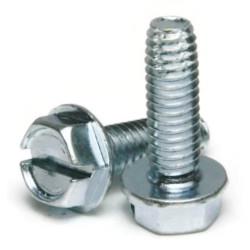
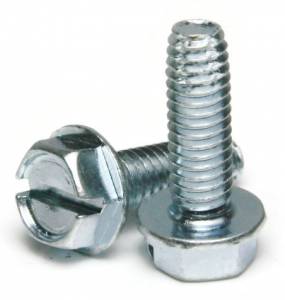
- Slotted Hex Washer Head Thread-Cutting Screws: dual-drive (slot + hex) heads with an integrated washer for fast assembly and wide bearing area—popular in sheet-metal work and service installations.
- Floorboard Screws: a heavy-duty thread-cutting style used in automotive and industrial flooring/panel applications. The large hex-washer head spreads load and allows driving with a wrench or screwdriver.
- Other point styles (by application): common thread-cutting families include Type F (for heavier gauges and castings), Type 23 (thin sheet), and Type 25 (plastics and soft metals). Select by base material and pilot-hole guidance.
Materials & Finishes
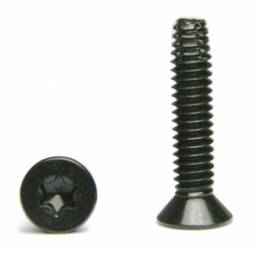
- Black Phosphate Steel: low-glare finish used indoors; typically paired with oil for additional protection.
- Zinc-Plated Steel: bright finish for dry interior environments and light corrosion resistance.
- Stainless Options (availability varies): certain thread-cutting patterns are offered in stainless for improved corrosion resistance.
Sizes, Threads & How to Specify
Order by diameter × thread × length (e.g., #10-24 × 1-1/2″, 1/4″-20 × 1″, or M5-0.8 × 25 mm). Length is measured from under the head to the tip—flat (countersunk) heads are measured overall. Choose the head/drive style to match your tools and required bearing area.
Common Applications
- Sheet-metal fabrication, ducting, enclosures, and brackets
- Automotive panels and floorboard assemblies
- Electrical, HVAC, and appliance mounting
- Plastic housings (use the point style suited to the resin)
Installation Tips
- Always drill a pilot hole to the size recommended for the screw type and base material.
- Deburr and clear chips from the hole; cutting screws create chips that should not remain in the joint.
- Drive perpendicular to the surface; avoid over-torque that can strip the new threads.
- Use lubrication when cutting into steel or tough alloys if permitted by the application.
- For plastics, use the point style intended for your resin and drive at controlled speed to limit heat.
Related Hardware
- Finish, flat, and fender washers for added bearing on thin materials
- Thread-locking methods (prevailing-torque nuts, chemical threadlocker) where vibration is present