

Marine Grade Washers
-min.jpg?ts=1758393080 "Washers, Marine Grade")
What are marine grade washers? Marine grade washers are the flat, locking, and sealing washers that complete a corrosion-resistant fastener joint, made from materials that survive salt water and coastal air. The core grade is 316 stainless, which resists the chloride pitting that destroys ordinary steel and 304, with silicon bronze on select washers for wooden and traditional work and bonded EPDM rubber where a joint needs to seal out water. Using a plated washer with a stainless bolt reintroduces the weak link you paid to avoid, which is why the whole joint should match. AlbanyCountyFasteners.com stocks flat, fender, lock, cup, and sealing washers in marine materials.
Washers, Marine Grade
-min.png?ts=1757453408 "Flat Washers, Marine Grade")
Flat Washers, Marine Grade
Spread clamping load and protect the surface under a nut or bolt head. In 316 stainless, bronze and metric.
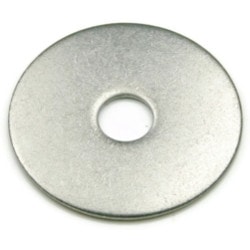
Fender Washers, Marine Grade
Oversized outside diameter to span large holes and spread load on thin or soft material. 316 stainless and metric.
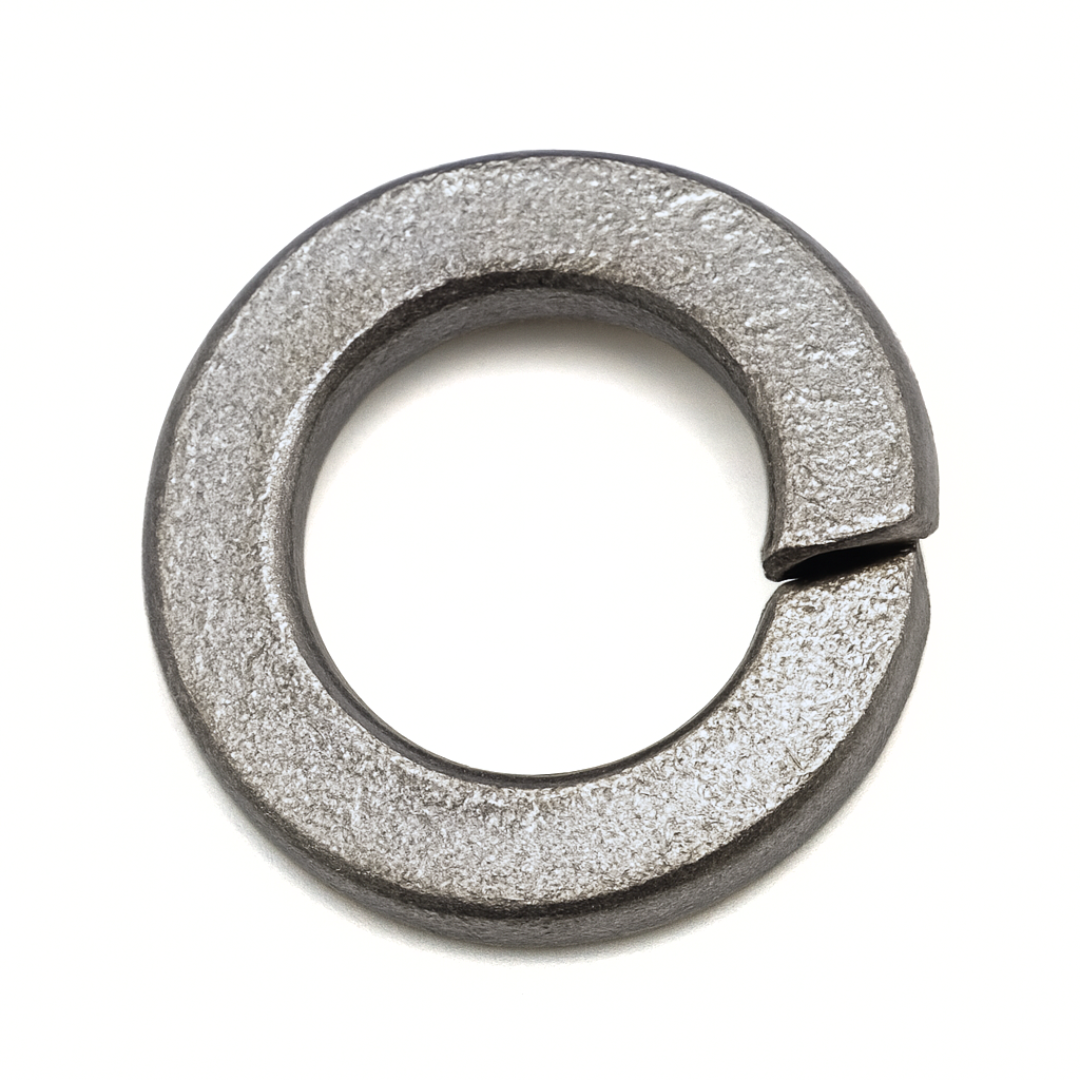
Lock Washers, Marine Grade
Resist vibration loosening by spring tension or biting teeth. In 316 stainless, with bronze and tooth styles.

Cup Washers, Marine Grade
Finish and locate a countersunk screw head with a clean recessed seat. In 316 stainless.
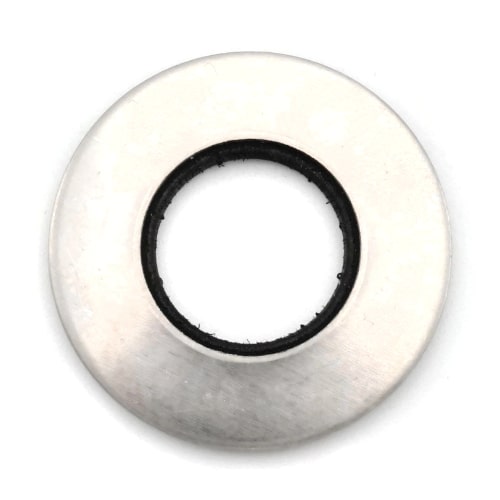
Sealing Washers, Marine Grade
Bonded rubber layer seals the hole against water as the fastener tightens. EPDM on 316 stainless.
Why the washer has to match the bolt
It is easy to buy a 316 bolt and finish the joint with whatever washer is in the bin, and that quietly undoes the point. A plated or plain steel washer in a salt environment corrodes first, streaks the surface, packs the joint with rust, and sets up a galvanic couple against the stainless around it. The washer is often the thinnest part of the assembly, so it has the least material to lose before it fails. Matching the washer to the fastener, 316 with 316, keeps the whole joint corrosion consistent and avoids dissimilar-metal problems. Where the fastener is bronze, a bronze washer keeps that consistency; where the joint must seal, a bonded washer does a job a bare metal washer cannot.
What each washer type does
- Flat washers spread load and protect the surface under the head or nut
- Fender washers have an oversized outside diameter to span holes and soft material
- Lock washers resist loosening under vibration, by spring tension or biting teeth
- Cup washers finish and locate a countersunk screw head
- Sealing washers carry a bonded rubber layer that seals out water
Choosing the material
- 316 stainless for the majority of marine work, resisting chloride pitting
- Silicon bronze on select flat and split lock washers for wood and traditional joints
- EPDM bonded to stainless where the joint has to seal against water
- Metric 316 (A4) options where the assembly is built to metric standards
Common applications
- Boat building, fitting-out, and repair
- Docks, piers, and waterfront structures
- Coastal construction and exposed hardware
- Marine railings, brackets, and panels
- Sealed roof, panel, and enclosure penetrations
- Any washer completing a fastener joint in salt or spray
Marine Grade Washer FAQs
Why can't I use a plated washer with a stainless bolt?
In salt the plated washer corrodes first, streaking the surface and packing the joint with rust, and it forms a galvanic couple with the stainless. Since the washer is often the thinnest part, it becomes the weak link. Match the washer to the fastener.
Which washer type do I need?
Flat and fender washers spread load, fender being oversized for soft or slotted material. Lock washers resist vibration loosening. Cup washers finish countersunk screws. Sealing washers keep water out. Choose by the job the washer has to do.
When is silicon bronze the right washer?
For wooden construction and traditional joints, and to match a bronze fastener so the joint stays galvanically consistent. Bronze appears on select flat and split lock washers in the marine range.
What is a sealing washer?
A washer with a bonded rubber layer, here EPDM on stainless, that compresses as the fastener tightens to seal the hole against water. It suits roof, panel, and enclosure penetrations that must not leak.
Do lock washers really prevent loosening?
They resist it. Split ring washers apply spring tension and tooth washers bite the surface, both fighting the vibration that backs a fastener off. In critical joints, combine the right washer with correct preload and, where needed, a locking nut.
Is 304 stainless good enough for washers?
Not for true marine service. 304 lacks the molybdenum that gives 316 its chloride resistance, so it pits in salt. Use 316 to match a marine fastener and keep the whole joint corrosion resistant.