




Why Choose Micro Screws and Bolts?
Micro screws and bolts are the right choice when the assembly requires a threaded fastener that is smaller than a standard #6-32 or M4 and the boss, tapped hole, or clearance space cannot accommodate a larger diameter. They are designed for precise thread engagement in tight spaces, thin materials, and compact assemblies where a full-size machine screw would not fit.
This category includes micro screws and bolts in imperial sizes from #0-80 through #4-40 and metric sizes from M1 through M3, available in multiple head styles, drive types, and materials. These are threaded fasteners intended for use with a mating tapped hole, threaded insert, or matching nut.
Common Uses for Micro Screws and Bolts
Micro screws and bolts are commonly used in electronics assembly, circuit board and component mounting, optical instrument housings, camera bodies, eyeglass frames, medical device enclosures, robotics, RC vehicles, drone frames, computer hardware, wearable devices, precision instrument panels, and small mechanical assemblies of all kinds.
They are also used for repair and replacement in consumer products, lab equipment, and imported assemblies that use metric micro hardware. When an existing screw has stripped or broken in a small device, identifying the correct thread size and replacing it with a matching micro screw is one of the most common uses for this product category.
Micro Screw Head Styles
Micro screws are available in multiple head styles. Choose based on the bearing surface required, the available drive access, whether the screw will sit flush or proud of the surface, and the appearance requirements of the finished assembly.
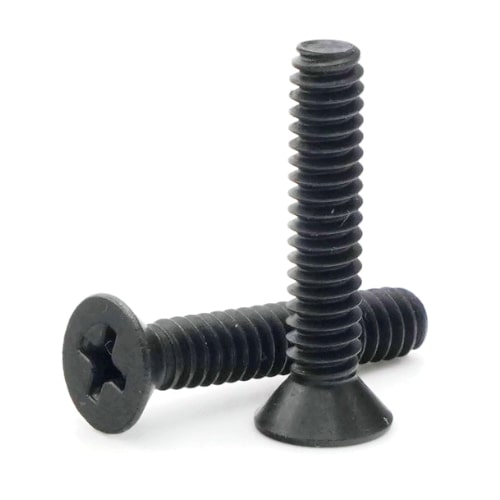
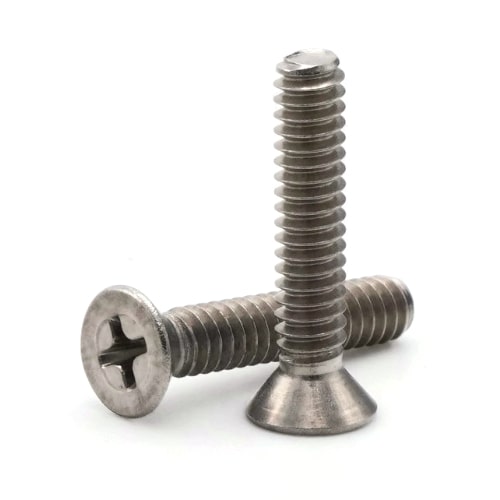
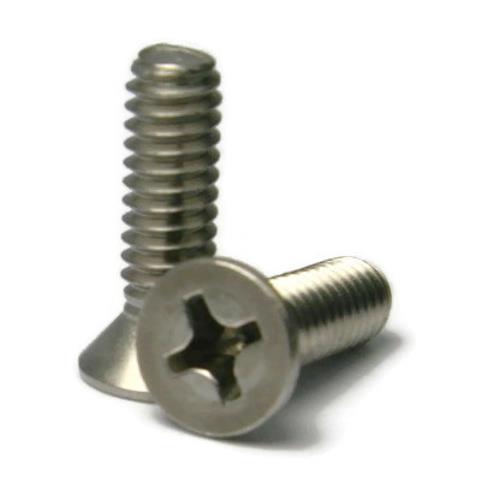
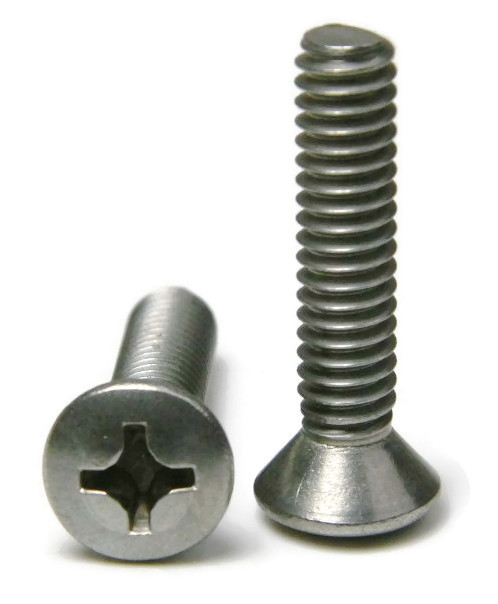
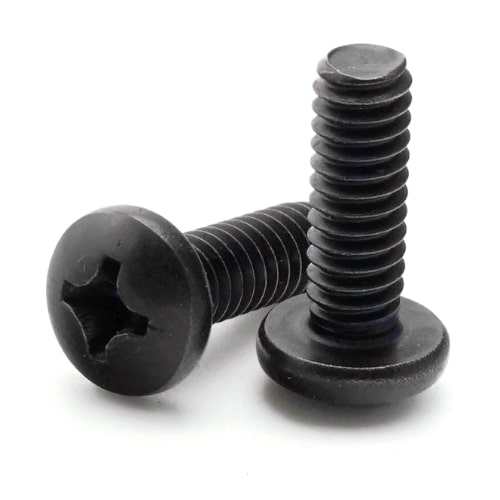
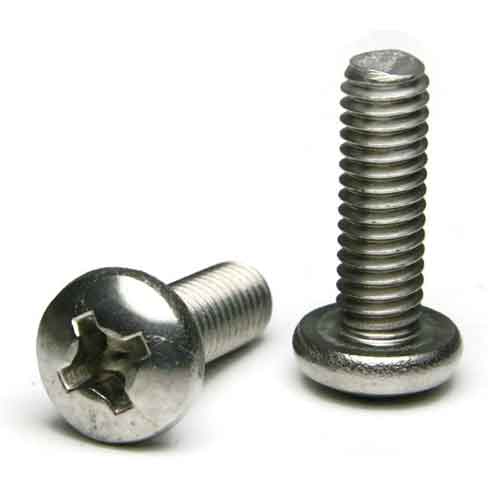
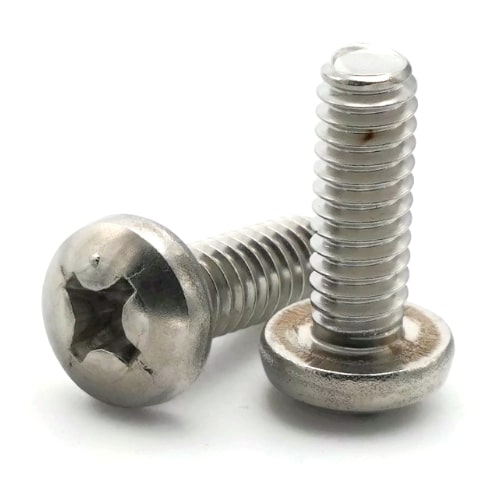
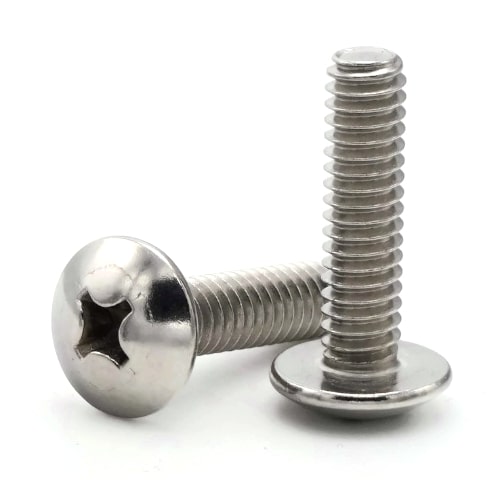
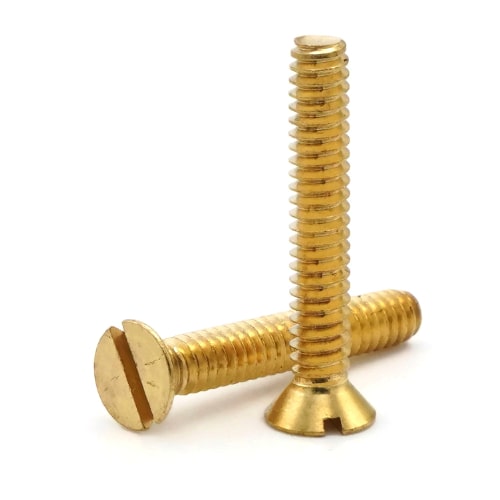
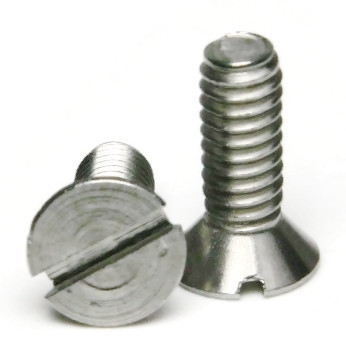
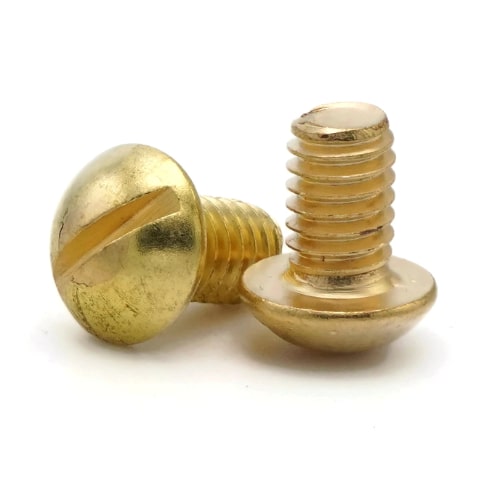
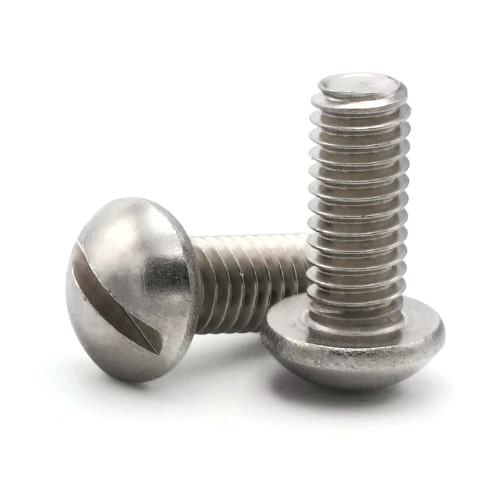
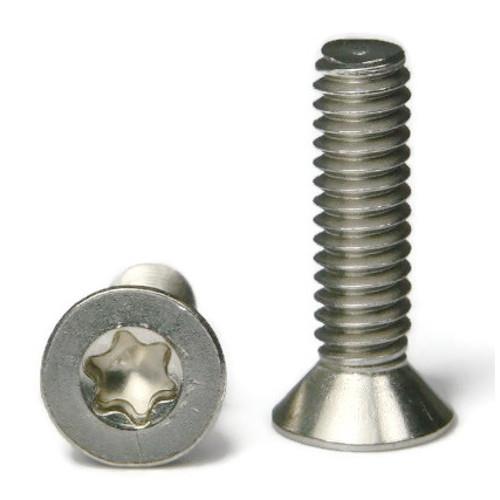
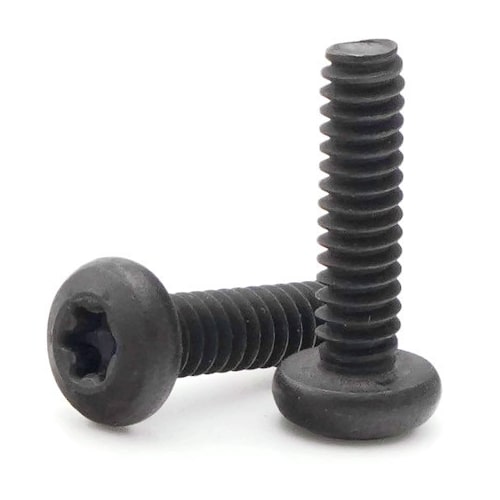
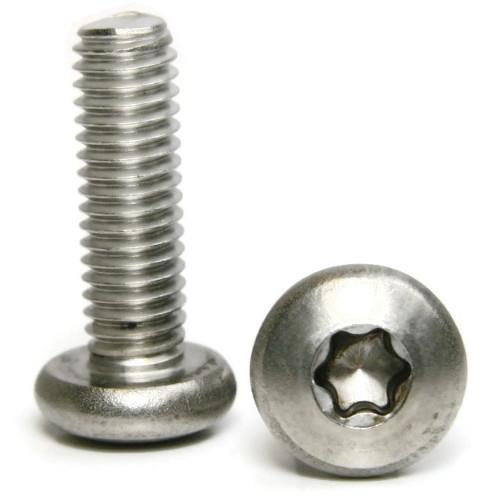
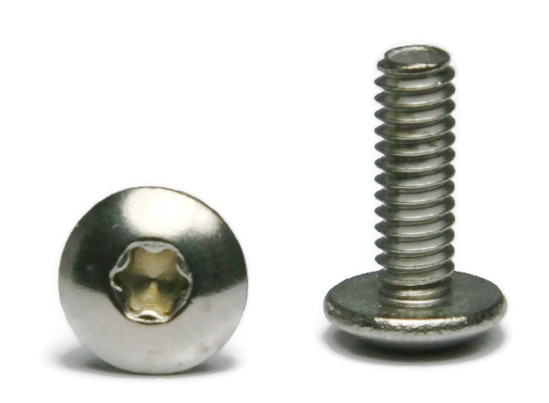
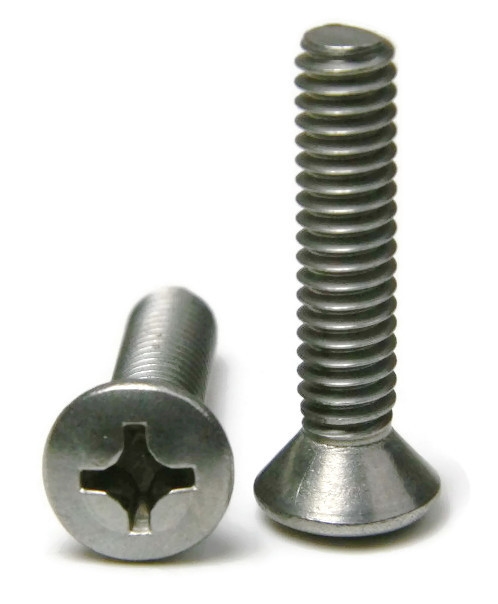
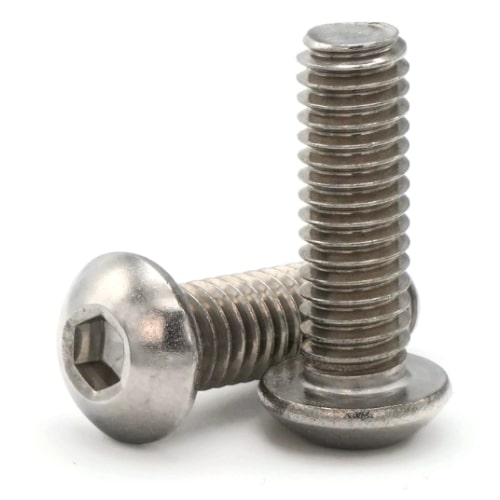
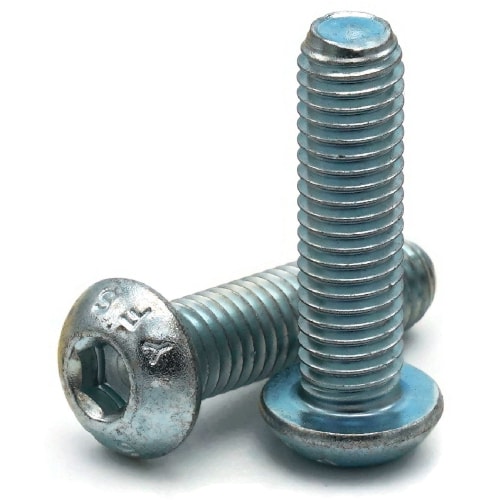
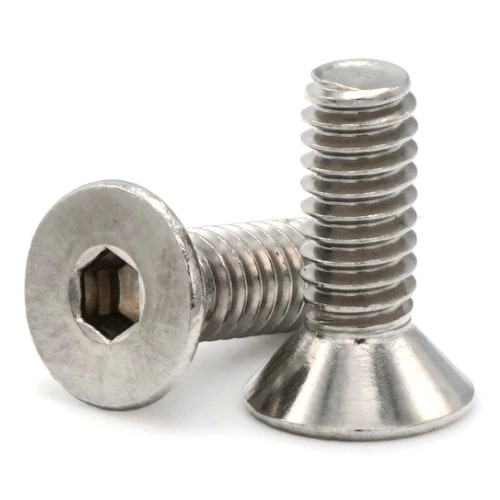
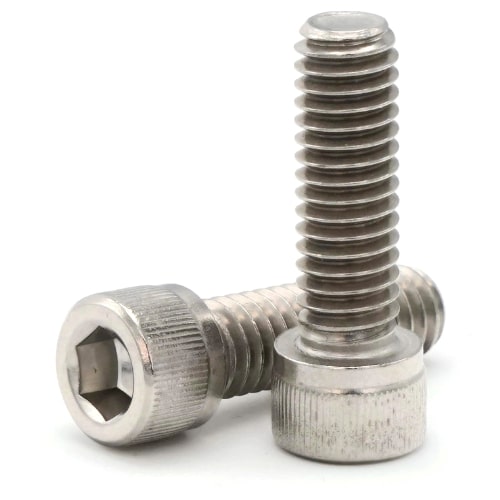
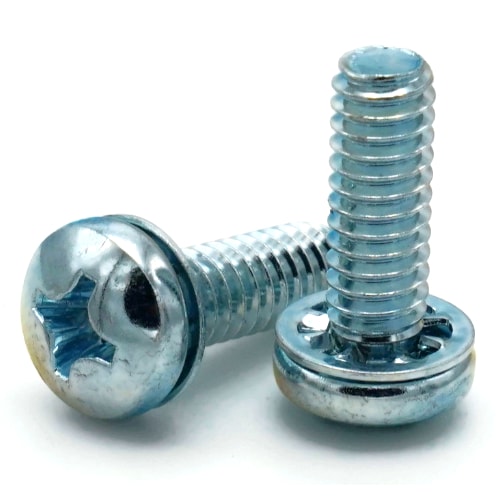
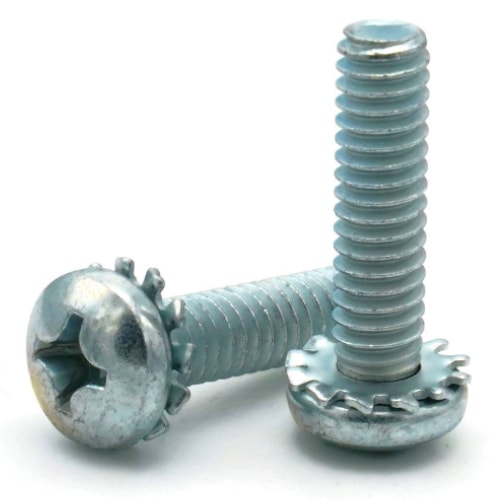
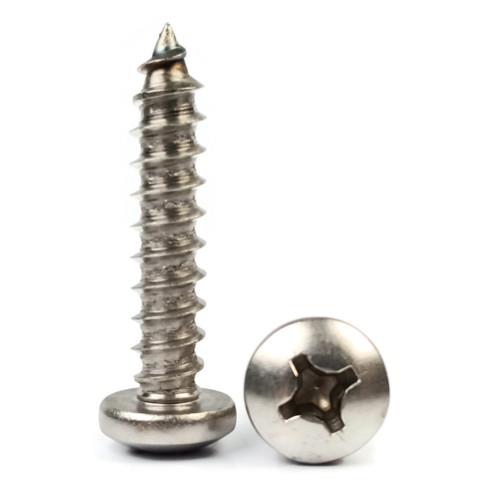
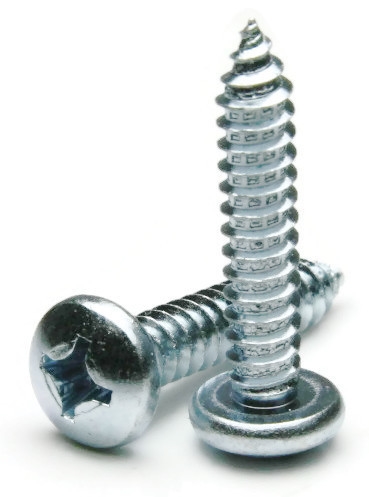
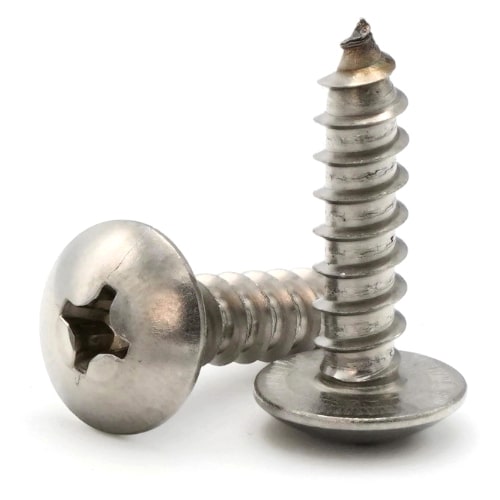
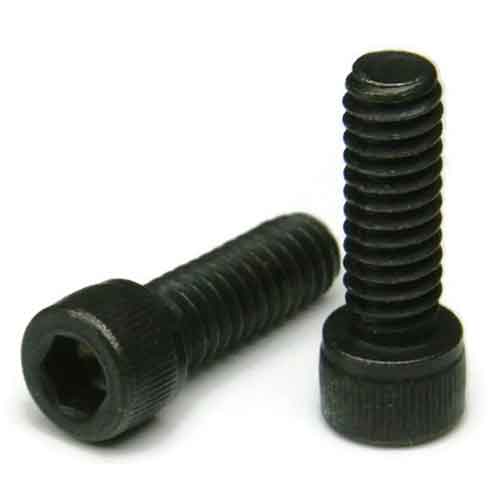
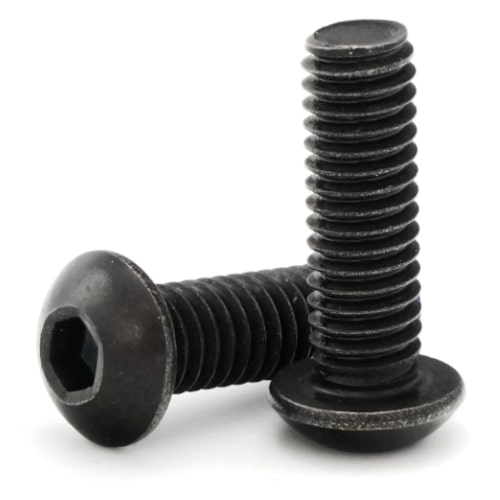
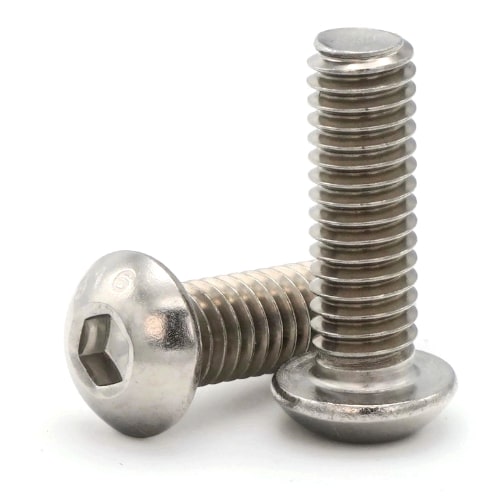
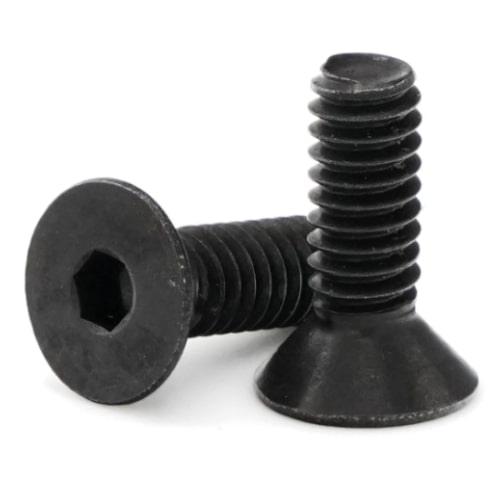
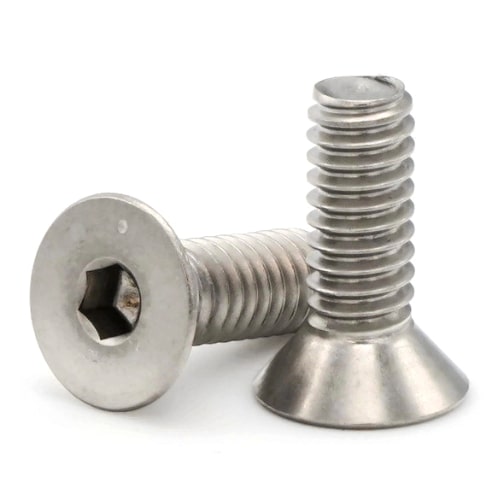
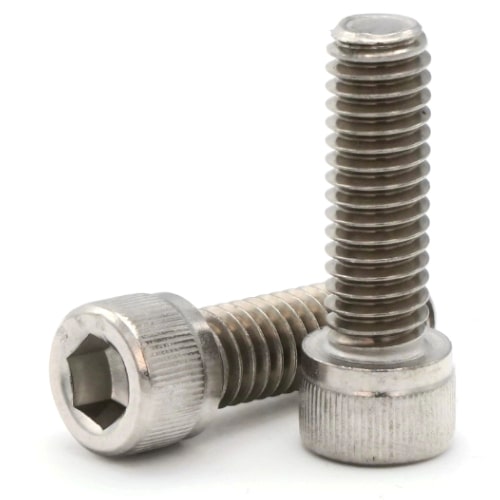
Pan head micro screws provide a low-profile rounded head with a wide, flat bearing surface. They are the most common head style for electronics and general small assembly. Flat head micro screws are countersunk and sit flush with the surface when installed in a properly countersunk hole, used when a smooth finished appearance is needed or when a proud head would interfere with mating components. Socket head cap screws in micro sizes provide a cylindrical head with a hex socket drive, commonly specified for precision mechanical assemblies, fixtures, and tooling where higher torque and a compact profile are both required. Fillister head micro screws have a taller, narrower head with deep drive slots, useful when extra drive depth is needed in a very small diameter fastener. Button head micro screws offer a low-dome profile and smooth appearance, often chosen for consumer products and aesthetic applications. Truss head micro screws have a low, wide dome with a large bearing surface, useful when distributing clamping load over a larger area in thin or soft materials.
Micro Screw Drive Types
Micro screws are available with Phillips, slotted, hex socket (Allen), Torx (star), and square drive configurations. Choose the drive type based on the available installation tools, the torque required, and the access space around the fastener head.
Phillips drives are common in consumer electronics, small appliances, and general repair. They allow reasonable torque transfer in small diameters but can cam out if overtorqued. Slotted drives are simple and widely available but less efficient for torque transfer and more prone to slippage in very small sizes. Hex socket drives allow higher, more controlled torque in a small head profile and are preferred for precision mechanical assemblies. Torx (star) drives provide excellent resistance to cam-out and are common in medical device manufacturing, electronics assembly, and any application where consistent torque is critical. Square drives offer good torque transfer and cam-out resistance and are found in some electronics and specialty assemblies.
Imperial Micro Screw Sizes
Imperial micro screws use Unified National thread designations. The first number is the screw diameter designation and the second is threads per inch. Available imperial micro screw thread sizes include:
- #0-80 (0.060" nominal diameter, 80 TPI)
- #1-64 (0.073" nominal diameter, 64 TPI)
- #1-72 (0.073" nominal diameter, 72 TPI)
- #2-56 (0.086" nominal diameter, 56 TPI)
- #2-64 (0.086" nominal diameter, 64 TPI)
- #3-48 (0.099" nominal diameter, 48 TPI)
- #3-56 (0.099" nominal diameter, 56 TPI)
- #4-40 (0.112" nominal diameter, 40 TPI)
- #4-48 (0.112" nominal diameter, 48 TPI)
Higher threads per inch (finer pitch) provides more thread engagement per unit of length and is generally preferred in thin materials and vibration-sensitive applications. Coarser thread pitches are easier to start and assemble and are common in general-purpose assemblies.
Metric Micro Screw Sizes
Metric micro screws use ISO thread designations. The M designation is the nominal diameter in millimeters and the pitch is the distance between threads in millimeters. Available metric micro screw thread sizes include:
- M1 x 0.25
- M1.2 x 0.25
- M1.4 x 0.3
- M1.6 x 0.35
- M2 x 0.4
- M2.5 x 0.45
- M3 x 0.5
Metric micro screws are the standard fastener in European and Asian-manufactured products, including cameras, imported electronics, optical equipment, and internationally designed assemblies. Do not mix metric and imperial fasteners in the same tapped hole. Always confirm the thread standard before ordering.
Micro Screw Materials
Micro screws are available in 18-8 stainless steel, 316 stainless steel, alloy steel, brass, and nylon. Choose the material based on the corrosion environment, strength requirements, conductivity needs, and appearance of the finished assembly.
18-8 stainless steel micro screws provide good corrosion resistance for most indoor and moderate outdoor environments and are the most common material choice for general-purpose micro fastener applications. 316 stainless steel provides better resistance to chlorides and salt exposure and is preferred for marine, coastal, and medical applications. Alloy steel micro screws provide higher tensile strength and are used in precision mechanical assemblies where load capacity matters at small diameters. Brass micro screws are electrically conductive, non-magnetic, and naturally resistant to corrosion, commonly used in electrical assemblies, RF enclosures, and optical instruments. Nylon micro screws are non-conductive, lightweight, and chemically resistant, used where electrical isolation is required or where metal fasteners could damage sensitive components.
Micro Screws vs Micro Bolts
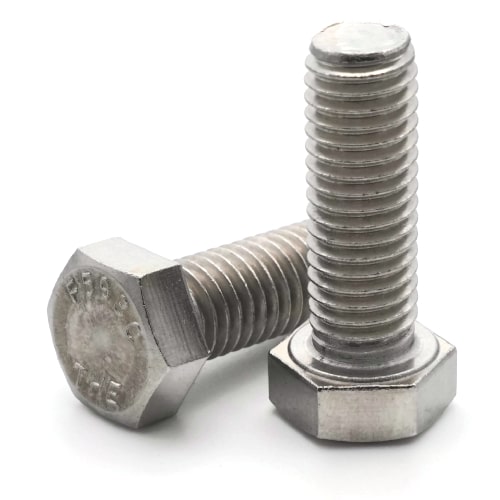
In this size range, the terms micro screw and micro bolt are often used interchangeably. Technically, a bolt is designed to be assembled with a nut, while a screw is designed to thread into a tapped hole or insert. In practice, micro screws in pan head, flat head, socket head, and similar configurations are used both ways depending on the application.
When assembling through a clearance hole into a nut, either term applies. When threading directly into a tapped boss, insert, or tapped hole in a mating component, the fastener functions as a screw regardless of how it is labeled. Choose based on head style, drive type, length, and thread engagement requirements rather than the screw vs bolt naming convention.
Selecting the Right Micro Screw Length
Micro screw length is measured from under the head for pan, socket, button, fillister, and truss head styles. For flat head (countersunk) screws, length is measured from the top of the head to the tip.
As a general rule, aim for a minimum of 1.5 times the screw diameter in thread engagement in metal assemblies. In plastic, soft materials, or thin-walled bosses, consider using threaded inserts to increase thread engagement and extend the service life of the joint. Avoid selecting a screw that is too long for the assembly, as the tip may bottom out in a blind hole before the fastener is fully torqued.
How to Identify an Unknown Micro Screw
If you need to identify an existing micro screw for replacement, use a thread pitch gauge or thread checker to determine the thread pitch and diameter. For imperial screws, measure the diameter with calipers and match to the nearest nominal size. For metric screws, the nominal diameter in millimeters and pitch can be confirmed with a pitch gauge.
Imperial and metric micro screws of similar diameter are not interchangeable. A #2-56 screw will not thread properly into an M2 x 0.4 tapped hole and vice versa. When in doubt, use a thread gauge or contact us and we can help identify the correct replacement.
Related Categories
- Micro Fasteners
- Micro Nuts
- Micro Washers
- Machine Screws
- Socket Head Cap Screws
- Threaded Inserts
- Shop by Material
- Fastener Assortment Kits
Micro Screws and Bolts FAQs
What is the smallest micro screw size you carry?
The smallest imperial size is #0-80, with a nominal diameter of approximately 0.060" and 80 threads per inch. The smallest metric size is M1 x 0.25, with a 1mm nominal diameter. Both are available in multiple head styles and materials.
What is the difference between imperial and metric micro screws?
Imperial micro screws use Unified National thread designations (#0-80, #2-56, #4-40) measured in inches. Metric micro screws use ISO thread designations (M1, M2, M3) measured in millimeters. The two systems are not interchangeable. Always confirm which thread standard your assembly uses before ordering.
Can I use micro screws in plastic housings?
Yes, but with care. In plastic, thread engagement depth is critical. Use the longest screw that fits within the boss depth without bottoming out, and consider using threaded inserts in plastic bosses for repeated assembly and disassembly applications. Nylon micro screws are sometimes chosen for plastic assemblies where scratching or galvanic reaction with the housing material is a concern.
What head style is most common for electronics assembly?
Pan head with Phillips or Torx drive is the most common head style in electronics assembly. Pan head provides a good bearing surface without requiring a countersunk hole, and Phillips and Torx drives are compatible with common precision screwdrivers and automated assembly equipment. Socket head cap screws are also common in precision mechanical sub-assemblies within electronic enclosures.
How do I know if I need a #4-40 or an M3 screw?
Use a thread gauge or pitch gauge to check the existing hole or fastener. Both sizes are similar in diameter but have different thread pitches that are not compatible with each other. #4-40 has 40 threads per inch (0.635mm pitch). M3 has a 0.5mm pitch. If you do not have a gauge, contact us and we can help you identify the correct size.
Do you sell micro screws in bulk?
Yes. Micro screws are available in bulk quantities with competitive pricing at volume. Contact us for pricing on large or recurring micro screw orders.