





Why Choose a Drill Bit Set?
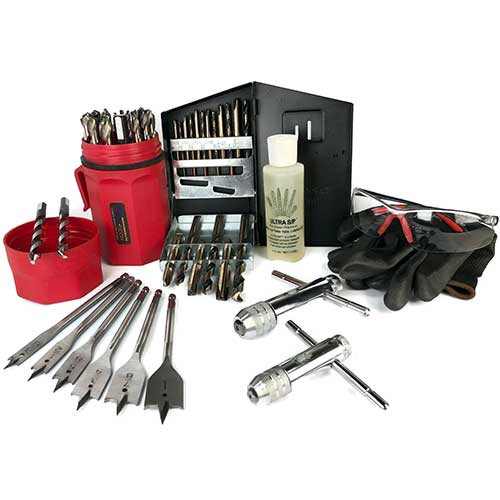
Drill bit sets provide multiple drill sizes in one organized collection, making it easier to select the correct bit for different hole diameters, fasteners, anchors, tapped holes, and drilling applications. A set can be more convenient than purchasing individual drill bits when a shop, maintenance department, contractor, or fabricator regularly works with multiple hole sizes.
The best drill bit set depends on the material being drilled and the range of sizes required. Sets are available for metal, wood, concrete, masonry, step drilling, and specialty applications, as well as different sizing systems including fractional, number, and letter sizes.
Types of Drill Bit Sets
| Drill Bit Set Type | Best For | Common Applications |
|---|---|---|
| Metal Drill Bit Sets | Steel, stainless steel, aluminum, and other metals | Fabrication, machining, maintenance, and repair |
| Wood Drill Bit Sets | Lumber and wood products | Woodworking, framing, electrical, and construction |
| Concrete & Masonry Drill Bit Sets | Concrete, brick, block, and masonry | Anchor installation and construction |
| Step Drill Bit Sets | Thin metal and sheet material | Enlarging holes and drilling multiple diameters |
| Specialty Drill Bit Sets | Application-specific drilling | Maintenance, production, repair, and specialty work |
Metal Drill Bit Sets
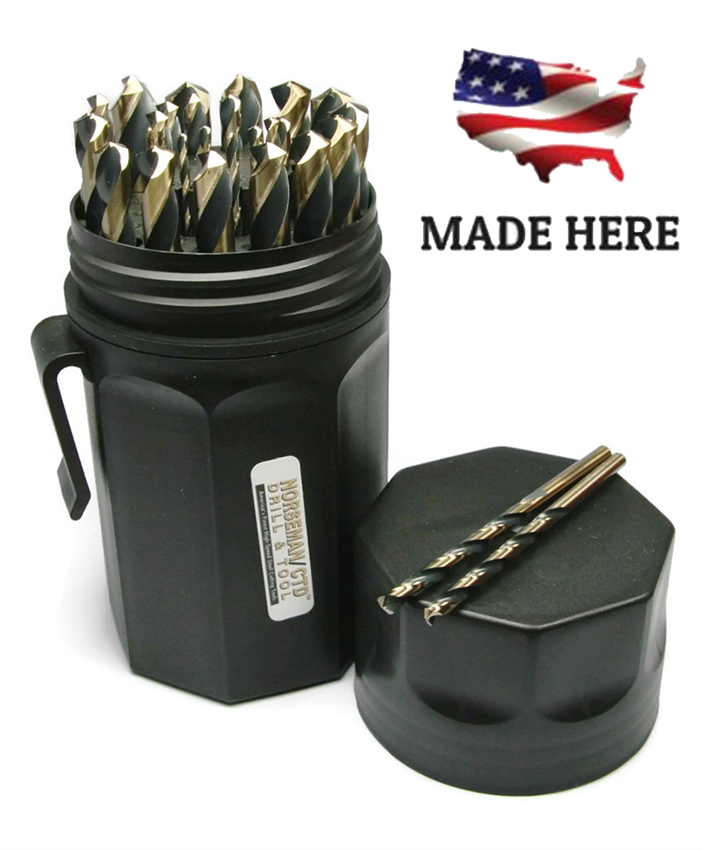
Metal drill bit sets provide a range of hole sizes for drilling steel, stainless steel, aluminum, and other metals. They are useful for fabrication, machining, equipment maintenance, automotive work, repair, and production environments where multiple drill diameters may be required.
Metal drilling sets may include fractional, number, or letter drill bit sizes. Selecting the appropriate sizing system can provide access to the exact diameter required for clearance holes, tapped holes, fasteners, and precision drilling applications.
For individual sizes and additional metal drilling options, browse our Metal Drill Bits.
Wood Drill Bit Sets
Wood drill bit sets provide multiple sizes for woodworking, framing, construction, electrical, plumbing, and general wood boring. The correct bit style depends on the required hole diameter, depth, drilling speed, and desired finish.
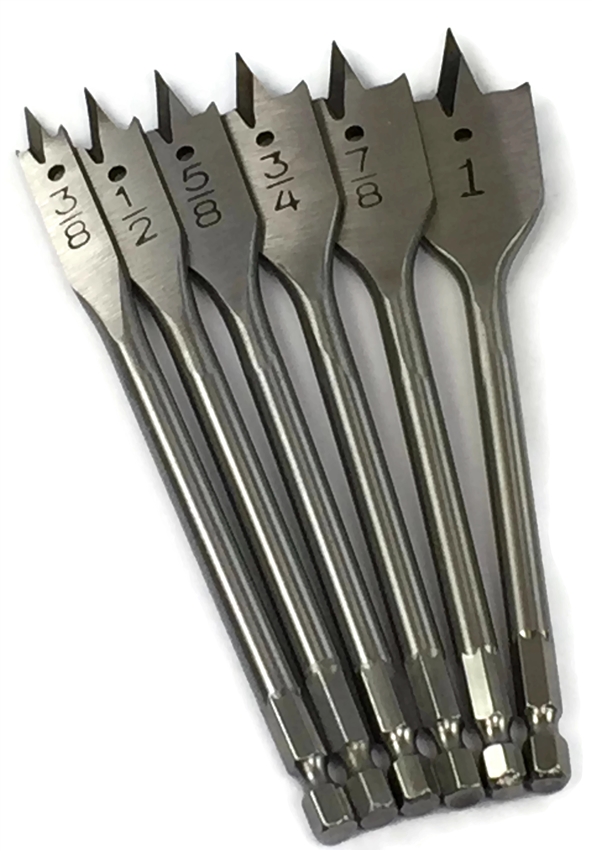
For example, spade drill bit sets provide several larger hole diameters in one kit and are useful for quickly boring holes through lumber, studs, and other wood materials.
For individual brad point, spade, ship auger, and other wood-drilling options, browse our Wood Drill Bits.
Concrete & Masonry Drill Bit Sets
Concrete and masonry drill bit sets provide multiple hole diameters for drilling concrete, brick, block, and compatible masonry materials. They are especially useful for contractors and installers working with anchors or concrete fasteners that require different pilot-hole diameters.
Always match the drill bit diameter to the anchor or fastener specifications. Also confirm that the drill bit shank is compatible with the drilling tool, whether the application uses a standard hammer drill, SDS Plus rotary hammer, SDS Max rotary hammer, or another drilling system.
Browse our Concrete & Masonry Drill Bits for additional masonry drilling options.
Step Drill Bit Sets
Step drill bit sets contain bits with multiple cutting diameters formed into a stepped profile. Instead of changing bits for every diameter, a step bit can progressively enlarge a hole as the bit advances through compatible material.
Step drill bits are commonly used for drilling or enlarging holes in thinner materials, including sheet metal and panels. They can be especially useful for electrical, fabrication, automotive, HVAC, maintenance, and general shop applications where several hole diameters may be required.
Fractional, Number & Letter Drill Bit Sets
Drill bit sets can be organized using different sizing systems. Choosing the right system depends on the range of hole diameters and level of size selection required for the application.
Fractional Drill Bit Sets
Fractional drill bit sets use common inch-based fractional sizes and are useful for general drilling, fabrication, maintenance, construction, and repair work.
Number Drill Bit Sets
Number drill bit sets use numbered drill sizes and provide closely spaced diameters that are useful for precision drilling, machining, clearance holes, and tap-drill applications.
Letter Drill Bit Sets
Letter drill bit sets use sizes A through Z and provide additional intermediate diameters. Letter sizes are commonly used in machining, fabrication, and applications requiring a specific hole diameter that may fall between common fractional sizes.
How to Choose the Right Drill Bit Set
Start by identifying the material you plan to drill and the range of hole sizes required. Then consider the drill bit style, sizing system, length, shank, drilling tool, and application.
- Material: Choose bits designed for metal, wood, concrete, masonry, or the specific material being drilled.
- Size range: Make sure the set contains the smallest and largest hole diameters you expect to need.
- Size system: Choose fractional, number, letter, or another sizing system based on the application.
- Bit style: Select the appropriate cutting geometry for the material and type of hole.
- Bit length: Confirm that the drill bits provide enough usable length for the required hole depth.
- Shank: Verify compatibility with the drill, drill press, hammer drill, or rotary hammer being used.
- Organization: A labeled case or index can make individual sizes easier to identify, store, and replace.
Drill Bit Sets for Tap and Threading Work
Drill bit sets can be particularly useful when preparing holes for tapping. A tapped hole requires the correct pilot-hole diameter so the tap can form the intended thread profile.
Because tap-drill sizes do not always correspond to common fractional drill diameters, number and letter drill bits are frequently useful for threading and machining work.
For creating internal threads after drilling, browse our Taps.
Drill Bit Sets for Anchors & Fasteners
When drilling holes for anchors, concrete screws, machine screws, bolts, or other fasteners, the finished hole diameter can be critical to proper installation.
For concrete anchors and concrete screws, always use the drill bit diameter specified for the particular fastener. For machine screws and other threaded fasteners, determine whether the application requires a clearance hole or a correctly sized pilot hole for tapping.
A drill bit set with a broad selection of sizes can make it easier to match the required hole diameter without substituting a bit that is too large or too small.
Individual Drill Bits vs. Drill Bit Sets
Choose an individual drill bit when you repeatedly drill the same hole diameter or need to replace a commonly used size. Choose a drill bit set when you regularly need multiple diameters or want a range of sizes available for different projects.
A complete set is particularly useful for maintenance departments, machine shops, contractors, fabricators, mechanics, and workshops where drilling requirements change from one job to another.
How to Get More Life From a Drill Bit Set
- Use each bit only on appropriate materials unless it is specifically designed for multi-material drilling.
- Match drilling speed to the material and bit diameter to help control heat and cutting-edge wear.
- Use suitable cutting fluid when drilling metal where appropriate for the bit and material.
- Clear chips during deeper drilling to reduce heat and improve cutting performance.
- Keep bits organized in their case or index to protect cutting edges and make sizes easier to identify.
- Replace dull or damaged bits rather than increasing pressure to compensate for poor cutting performance.
Related Drill Bit & Cutting Tool Categories
Drill Bit Sets FAQs
What is the best drill bit set?
The best drill bit set depends on the material being drilled and the type of work being performed. Choose a metal drill bit set for steel and other metals, a wood drill bit set for lumber and woodworking, or a concrete and masonry set for compatible masonry materials.
What should I look for in a drill bit set?
Look at the drill bit material and style, size range, sizing system, bit length, shank type, tool compatibility, and intended workpiece material. A useful set should contain the sizes you regularly need for your applications.
What is a good drill bit set for metal?
Choose a set specifically designed for metal and appropriate for the types of metal you expect to drill. Also consider whether you need fractional, number, or letter sizes and whether the set provides the range required for your fabrication, machining, or repair work.
What drill bit set should I use for wood?
The best set depends on the type of wood drilling. Spade bit sets are useful for quickly creating larger holes, while other wood bit styles may be preferred for clean precision holes or deeper boring.
What drill bit set should I use for concrete?
Use a concrete or masonry drill bit set compatible with the drilling tool and base material. For rotary hammers, make sure the shank system matches the tool, such as SDS Plus or SDS Max.
What are step drill bit sets used for?
Step drill bit sets are useful for drilling and progressively enlarging holes in compatible thinner materials such as sheet metal and panels. A single step bit can provide several hole diameters.
What is the difference between fractional, number, and letter drill bit sets?
Fractional sets use inch-based fractional sizes. Number sets use numbered drill sizes, while letter sets use sizes A through Z. Number and letter systems provide additional diameters between many common fractional sizes and are useful for precision drilling and tap-drill work.
Do I need number and letter drill bits?
Number and letter drill bits are particularly useful for machining, tapping, and precision applications where the required hole diameter does not correspond to a common fractional drill size.
Can I use the same drill bit set for wood and metal?
Some general-purpose bits can drill more than one material, but purpose-designed wood and metal drill bits use different cutting geometries. For the best drilling performance and hole quality, use a bit designed for the material being drilled.
Can I use regular drill bits for concrete?
Use drill bits specifically designed for concrete or masonry. Standard wood or metal drill bits are not designed for the abrasion and impact involved in concrete drilling.
Why are there so many sizes in a drill bit set?
Different fasteners, tapped threads, anchors, clearance holes, and fabrication requirements call for different hole diameters. A larger drill bit set provides more size options so the hole can be matched more closely to the application.
Is it better to buy individual drill bits or a drill bit set?
A drill bit set is useful when you need a range of sizes for different jobs. Individual bits are useful when you repeatedly use one diameter or need to replace a worn or damaged size from an existing set.