

Lock Washers, Marine Grade
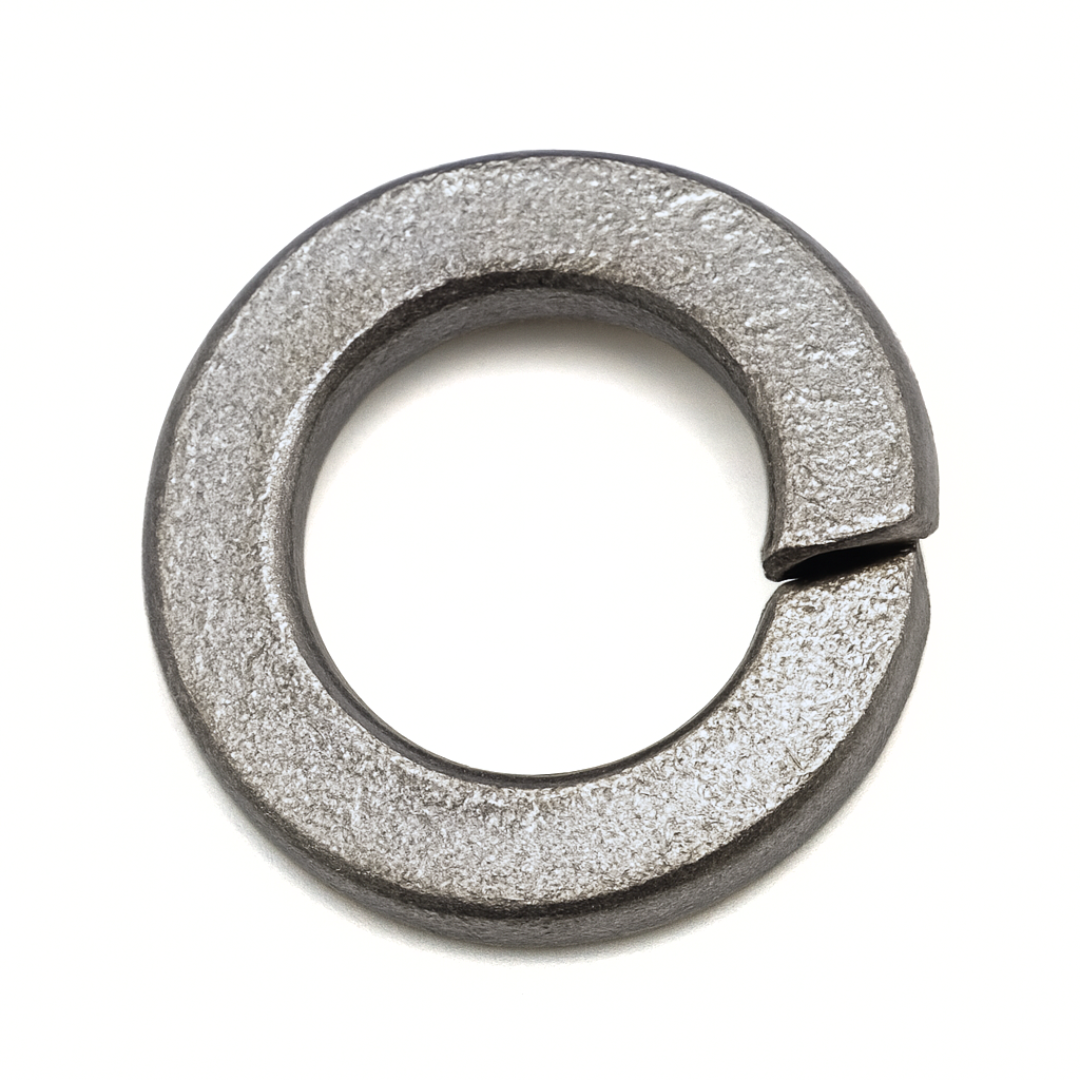
What are marine grade lock washers? Lock washers resist a fastener working loose under vibration, either by spring tension that keeps the joint under load or by teeth that bite into the bearing surfaces. On boats and coastal equipment, where engines, pumps, and wave action shake connections constantly, that anti-loosening job is real. In salt they must also resist corrosion, so they come in 316 stainless, with silicon bronze on split ring washers and toothed styles for different grip. AlbanyCountyFasteners.com stocks split ring, internal tooth, and external tooth patterns.
Lock Washers, Marine Grade
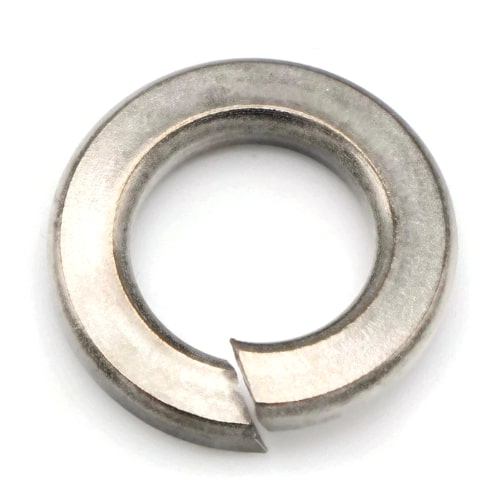
Split Ring Lock Washers, Marine Grade
Coil washer that flattens under the nut, storing spring tension against loosening. In 316 stainless and bronze.
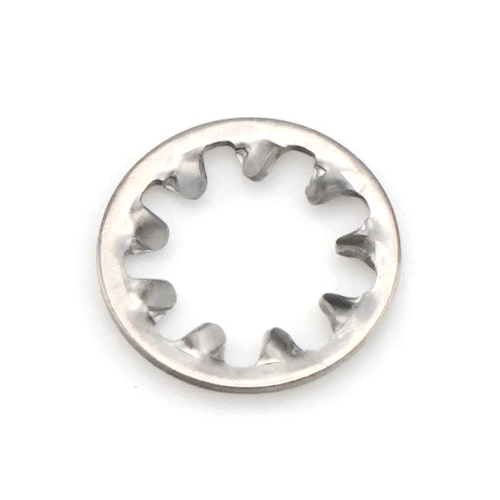
Internal Tooth Lock Washers, Marine Grade
Teeth around the hole bite under the head for a neat, strong lock. In 316 stainless.
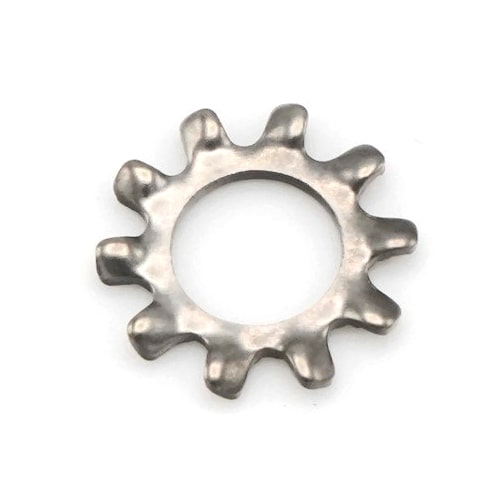
External Tooth Lock Washers, Marine Grade
Teeth at the outer edge give the largest biting circle and strongest tooth lock. In 316 stainless.
Split ring or tooth: which locks better?
They resist loosening by different mechanisms, and the right one depends on the joint. A split ring washer is a single coil that flattens under the nut, storing spring tension that keeps the threads loaded and adds friction against back-off; it suits general connections and reuses reasonably well. A tooth washer, internal or external, has serrations that bite into both the fastener and the surface, creating many small locking points that resist rotation directly. Internal tooth washers hide their teeth under the head for a neater look and suit smaller heads; external tooth washers put the teeth at the outer edge for maximum grip and the strongest lock. On marine equipment that vibrates hard, tooth washers grip aggressively; where you want spring tension and easier disassembly, the split ring serves. All in 316 so the washer does not corrode and lose its temper or bite.
Why choose marine lock washers
- Resist vibration loosening on engines, pumps, and shaken joints
- Split ring stores spring tension for general connections
- Tooth washers bite for maximum rotational grip
- 316 stainless resists corrosion that would weaken the spring or teeth
- Silicon bronze option on split ring for traditional and bronze joints
Common applications
- Marine engine and pump mountings
- Vibrating equipment and machinery
- Railings and hardware exposed to wave action
- Electrical connections needing bite (tooth washers)
- Traditional and bronze-fastened joints (bronze split ring)
- Any joint at risk of loosening in salt exposure
Marine Lock Washer FAQs
Split ring or tooth washer, which should I use?
Split ring stores spring tension and reuses reasonably, suiting general joints. Tooth washers bite the surfaces for the strongest direct resistance to rotation, suiting hard-vibrating equipment. Internal tooth is neater, external tooth grips most.
What is the difference between internal and external tooth?
Internal tooth washers put the teeth around the hole, hidden under the head for a neater look and smaller heads. External tooth put the teeth at the outer edge for a larger biting circle and the strongest lock. Choose by grip needed and appearance.
Why does 316 matter for a lock washer?
A corroding lock washer loses spring temper or dulls its teeth, and stops locking. 316 resists the salt corrosion that would do that, so the washer keeps working over the life of the joint.
Can I reuse a lock washer?
Split ring washers can be reused a limited number of times if they retain their spring; tooth washers lose bite once flattened. When in doubt, fit new, since a tired lock washer gives false security.
Do lock washers replace a locking nut?
They are one tool for resisting loosening; in critical joints a nylon insert or all-metal locking nut, or thread locker, may be preferred or combined. Match the locking method to how critical and how shaken the joint is.
Where is bronze offered?
On split ring lock washers, for traditional work and to match a bronze fastener, keeping the joint galvanically consistent. The tooth patterns are stocked in 316 stainless.