

Driver Bits

What Are Driver Bits?
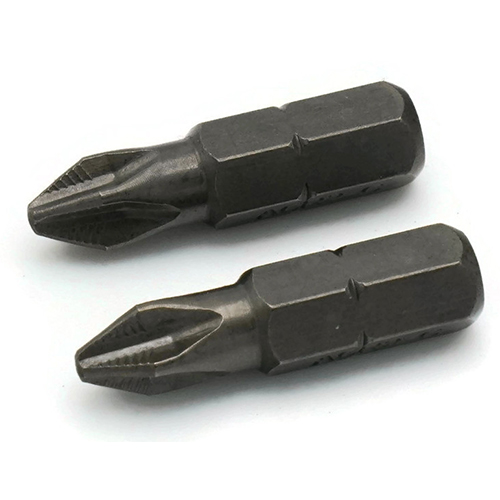
Driver bits are interchangeable tool bits used with drills, impact drivers, screwdrivers, and bit holders to install or remove screws and other driven fasteners. They are available in multiple drive styles, including Phillips, Torx® / Star, square, slotted, hex, and tamper-resistant designs, and in different lengths and configurations for hand tools, drills, and powered fastening equipment.
Two common types are insert bits, which are typically used with a compatible bit holder, and power bits, which have longer shanks designed for direct use in compatible drills and drivers.

Videos
Play videoWhat Are Driver Bits?
Driver bits are interchangeable tool bits used with drills, impact drivers, screwdrivers, and bit holders to install or remove screws and other driven fasteners. Driver bits are available in multiple drive styles, sizes, and lengths so the tool can properly engage the fastener recess and transfer installation torque.
Common driver bit styles include Phillips, Torx® / Star, square, slotted, hex, and tamper-resistant drives. Choosing the correct bit size and drive style helps improve tool engagement, reduce cam-out, and limit damage to both the fastener and driver bit.
Insert Bits vs. Power Bits
Insert bits and power bits perform the same basic function but differ primarily in their length and how they connect to the driving tool.
| Driver Bit Type | Typical Design | Best For |
|---|---|---|
| Insert Bits | Short driver bit used with a compatible bit holder | Compact driving, interchangeable bit holders, hand and powered tools |
| Power Bits | Longer bit with an extended shank | Direct use in compatible drills, drivers, and power tools |
Insert Bits
Insert bits are compact driver bits commonly used with magnetic or locking bit holders. Their short design makes it easy to change between drive styles and sizes while keeping the same holder installed in the tool.
Insert bits can be used with compatible hand drivers, drills, impact drivers, and other fastening tools depending on the bit and holder specifications.
Power Bits
Power bits have a longer shank that allows them to be installed directly into compatible drills, drivers, and bit holders. Different lengths provide additional reach for recessed fasteners, equipment assembly, construction, and other fastening applications.
Always verify whether the specific power bit is rated for use with an impact driver before using it in high-impact applications.
Driver Bit Types
Phillips Driver Bits
Phillips driver bits use a cross-shaped tip designed to engage Phillips screw recesses. They are among the most common driver bits used for construction, manufacturing, assembly, maintenance, and general fastening.
Torx® / Star Driver Bits
Torx® and star driver bits use a six-lobe profile designed to provide positive tool engagement and efficient torque transfer. They are commonly used in automotive, machinery, construction, electronics, decking, and equipment applications.
Square Driver Bits
Square driver bits engage square-drive screw recesses and provide positive tool contact. They are frequently used in woodworking, cabinetry, construction, and other fastening applications.
Slotted Driver Bits
Slotted driver bits have a straight blade designed for traditional slotted screws. Correct blade width and thickness are important for secure engagement and to reduce damage to the screw slot.
Hex Driver Bits
Hex driver bits engage internal hex socket fasteners and are commonly used with socket screws, set screws, machinery, furniture, equipment, and industrial assemblies.
Tamper-Resistant Driver Bits
Tamper-resistant driver bits are designed to install and remove security fasteners that cannot be serviced with standard driver bits. Depending on the fastener, security drive styles may include pin-in star, spanner, and other specialty configurations.
How Do I Choose the Right Driver Bit?
Select the driver bit by matching the drive style, drive size, tool, bit length, and application.
- Drive style: Match Phillips, Torx®, square, slotted, hex, or security drive to the fastener recess.
- Drive size: Use the exact bit size required by the screw.
- Bit length: Choose a shorter bit for compact work or a longer power bit where additional reach is required.
- Tool compatibility: Confirm that the bit and holder are compatible with the drill, driver, or hand tool being used.
- Impact use: Use impact-rated bits when required for impact-driver applications.
Why Is the Correct Driver Bit Size Important?
A driver bit that is too small, too large, or the wrong drive style may not fully engage the screw recess. Poor fit can increase cam-out, round the fastener recess, damage the bit, and reduce the amount of torque that can be transferred to the screw.
Before installation, insert the bit fully into the screw recess and confirm that the fit is secure with minimal movement.
What Is Cam-Out?
Cam-out occurs when the driver bit slips or rises out of the screw recess while torque is being applied. Cam-out can damage the screw head, wear the driver bit, and make installation or removal more difficult.
Using the correct drive style and size, keeping the bit aligned with the screw, and applying controlled pressure can help reduce cam-out.
Driver Bit Lengths
Driver bits are available in different lengths to accommodate access and tool requirements.
- Short insert bits: Compact and easily interchangeable when used with a bit holder.
- Standard power bits: Provide additional reach and can be used directly with compatible driving tools.
- Long power bits: Useful for recessed fasteners, deep assemblies, and locations where the tool cannot be positioned close to the screw.
Driver Bits for Impact Drivers
Impact drivers apply repeated rotational impacts that can place additional stress on driver bits. When using an impact driver, select bits specifically rated for impact use when required by the application.
Do not assume that every insert bit or power bit is impact rated simply because it fits the tool.
Common Applications for Driver Bits
- Construction and remodeling
- Furniture and cabinetry
- Machinery and industrial equipment
- Automotive and equipment repair
- Electrical and electronics assembly
- HVAC and sheet metal work
- Decking and outdoor construction
- OEM and production assembly
- Security and tamper-resistant fastener installation
- General maintenance and repair
How to Extend Driver Bit Life
- Use the correct bit size: A proper fit reduces unnecessary movement and wear.
- Keep the bit aligned: Drive straight into the fastener recess whenever possible.
- Fully engage the recess: Partial engagement concentrates stress on the tip of the bit.
- Use the appropriate tool: Match the bit rating to the drill, driver, or impact tool.
- Replace worn bits: A rounded or damaged driver bit can quickly damage fastener recesses.
Driver Bit FAQs
What are driver bits?
Driver bits are interchangeable tool bits used to install and remove screws and other driven fasteners. They are available in drive styles including Phillips, Torx® / Star, square, slotted, hex, and tamper-resistant configurations.
What is the difference between a driver bit and a screwdriver bit?
The terms are often used interchangeably. Driver bit is a broad term for removable bits used with hand or powered driving tools, while screwdriver bit commonly refers to the same type of interchangeable tip used to drive screws.
What is the difference between insert bits and power bits?
Insert bits are shorter and are commonly used with a separate bit holder. Power bits have longer shanks and can often be used directly with compatible drills and drivers.
Can power bits be used in impact drivers?
Only when the specific bit is rated for impact use. A power-bit configuration does not automatically mean the bit is designed to withstand impact-driver forces.
How do I know what driver bit size I need?
Match the driver bit to the drive style and size of the screw recess. The bit should fully engage the recess with minimal movement before torque is applied.
What is the difference between Torx® and star bits?
Torx® is a trademarked six-lobe drive design. The term star bit is commonly used more generally for driver bits with a similar six-lobe profile. Always match the driver to the specific fastener specification.
Why does my driver bit keep slipping out of the screw?
The bit may be the wrong size or drive style, worn, damaged, or not fully seated in the screw recess. Poor alignment and insufficient engagement can also contribute to cam-out.
When should I replace a driver bit?
Replace a driver bit when the tip becomes rounded, chipped, twisted, cracked, or no longer fits securely in the fastener recess.
What driver bits are used for security screws?
Tamper-resistant and security screws require matching security driver bits. Common security drive systems include pin-in star, spanner, and other specialty designs.