

Resources
Acorn Head Sleeve Anchors
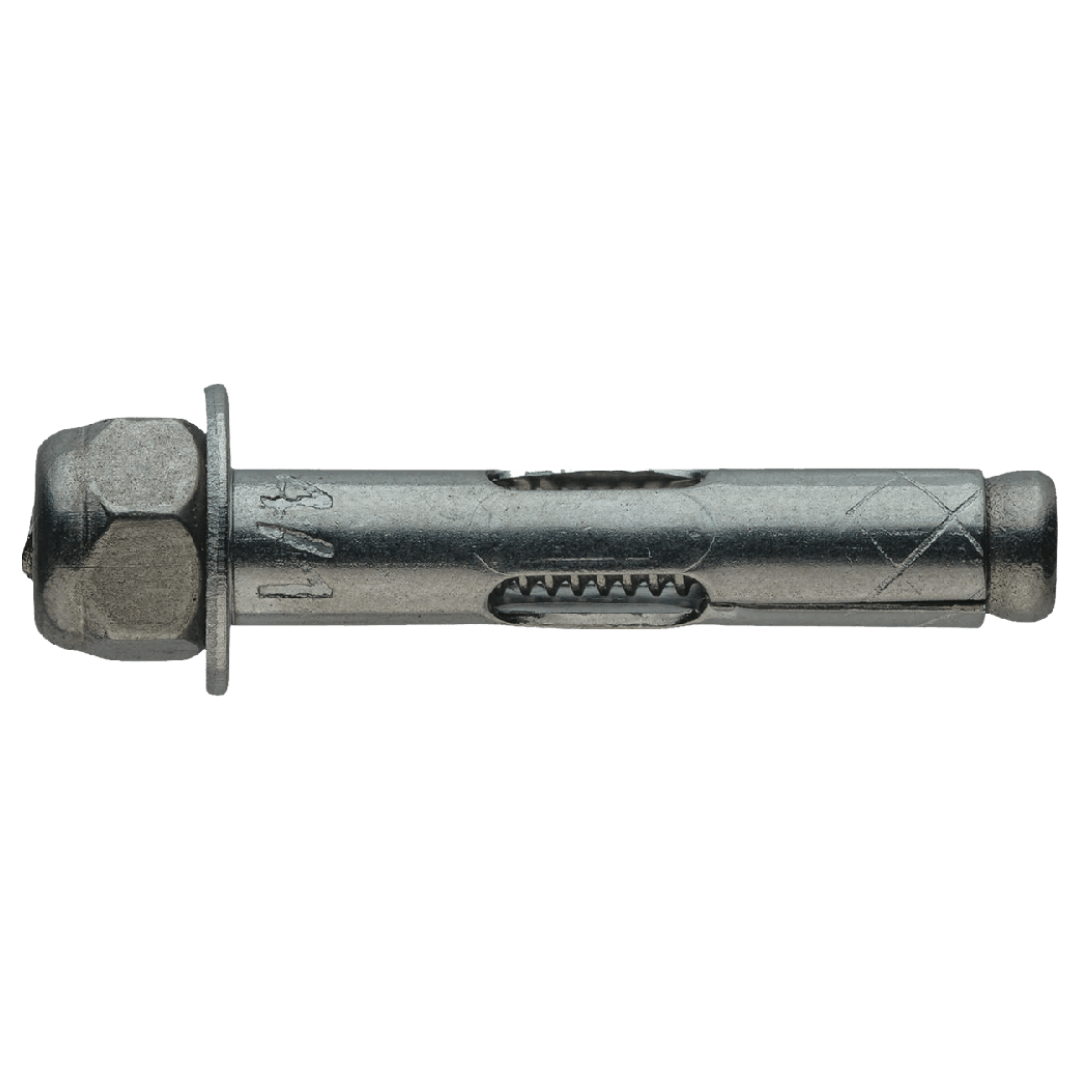
What are Acorn Head Sleeve Anchors? Acorn head sleeve anchors are masonry expansion anchors used to fasten fixtures, brackets, hardware, signage, railings, and other components into concrete, brick, block, and compatible masonry materials. The acorn head provides a finished, capped appearance while the sleeve expands inside the drilled hole as the anchor is tightened.
Videos
Play videoWhy Choose Acorn Head Sleeve Anchors?
Acorn head sleeve anchors are useful when a masonry anchor needs to provide holding power while leaving a more finished appearance than a standard hex nut or exposed threaded stud. The rounded acorn head covers the threaded end of the anchor, making it a practical choice for visible installations.
This category includes acorn head sleeve anchors in zinc plated steel and 304 stainless steel options. These anchors are commonly selected for concrete and masonry fastening where the installer needs an expansion anchor with a finished head style.
Common Uses for Acorn Head Sleeve Anchors
Acorn head sleeve anchors are commonly used for fastening fixtures, brackets, signs, railings, handrails, light-duty equipment, wall-mounted hardware, trim, supports, and decorative components to concrete, brick, block, or other compatible masonry surfaces.
They are often used in applications where the anchor head remains visible after installation. The acorn head gives the installed anchor a cleaner finished look while still using a sleeve anchor design for masonry fastening.
How Sleeve Anchors Work in Masonry
Sleeve anchors are installed into a pre-drilled hole through the fixture and into the base material. As the anchor is tightened, the sleeve expands against the wall of the hole, helping the anchor grip the concrete or masonry.
Proper installation matters. The hole should be drilled to the correct diameter and depth, cleaned before installation, and the anchor should be tightened according to the manufacturer’s instructions. Match the anchor to the base material, fixture thickness, embedment, spacing, edge distance, and load requirements.
Acorn Head vs Hex Head Sleeve Anchors
Acorn head sleeve anchors are selected when a finished, capped appearance is preferred. The acorn head hides the threaded end of the anchor and can create a cleaner look for visible fixtures, railings, signs, and hardware.
Hex head sleeve anchors are commonly used when appearance is less important or when a standard wrench-driven head style is preferred. Choose the head style based on access, appearance, installation method, and the finished look needed for the application.
Acorn Head vs Flat Head Sleeve Anchors
Acorn head sleeve anchors leave a rounded, capped head visible on the surface. They are a good choice when the anchor can sit proud of the fixture and the finished appearance matters.
Flat head sleeve anchors are used when the anchor head needs to sit flush or countersunk into the fixture. Choose flat head anchors for countersunk holes and acorn head anchors for visible finished fastening where a raised capped head is acceptable.
304 Stainless Steel vs Zinc Plated Acorn Head Sleeve Anchors
304 stainless steel acorn head sleeve anchors are a good choice when corrosion resistance and a clean stainless appearance are important. They may be preferred for outdoor, damp, or more visible installations where stainless steel is suitable for the environment.
Zinc plated steel acorn head sleeve anchors are often used for dry indoor or less corrosive applications where a plated steel anchor is suitable. Choose the material based on the environment, fixture material, exposure level, and project requirements.
Sleeve Anchors vs Wedge Anchors
Sleeve anchors can be used in concrete, brick, and block in many applications, depending on the anchor style and manufacturer instructions. They are often selected when the base material may not be solid concrete or when a sleeve-style expansion anchor is preferred.
Wedge anchors are intended for solid concrete and are commonly used when a strong, permanent concrete anchor is needed. Choose between sleeve anchors and wedge anchors based on the base material, load requirements, fixture thickness, installation conditions, and whether the application is concrete, brick, block, or another masonry material.
How to Choose the Right Acorn Head Sleeve Anchor
Choose the acorn head sleeve anchor based on the base material, anchor diameter, thread size, fixture thickness, embedment depth, head style, material, finish, and exposure environment. The anchor should fit the fixture hole and provide the proper embedment for the masonry material.
After confirming the size and application, choose zinc plated steel for dry indoor or less corrosive environments, or 304 stainless steel when the application needs stainless material and better corrosion resistance. For finished installations, confirm that the rounded acorn head works with the fixture clearance and desired appearance.
Related Anchor Categories
Browse related anchor categories to compare sleeve anchors, wedge anchors, acorn head anchors, hex head anchors, flat head anchors, screw anchors, drop-in anchors, and concrete fastening options.
- Anchors
- Sleeve Anchors
- Acorn Head Sleeve Anchors
- 304 Stainless Steel Acorn Head Sleeve Anchors
- Zinc Plated Steel Acorn Head Sleeve Anchors
- Hex Head Sleeve Anchors
- Phillips Flat Head Sleeve Anchors
- Wedge Anchors
- Drop-In Anchors / Threaded Anchors
Acorn Head Sleeve Anchor FAQs
What are acorn head sleeve anchors?
Acorn head sleeve anchors are masonry expansion anchors with a rounded capped head used to fasten fixtures, brackets, signs, railings, hardware, and other components into concrete, brick, block, or compatible masonry.
When should I use acorn head sleeve anchors?
Use acorn head sleeve anchors when fastening into masonry and the finished appearance of the anchor head matters. The acorn head provides a capped, finished look for visible installations.
What is the difference between acorn head and hex head sleeve anchors?
Acorn head sleeve anchors have a rounded capped head for a more finished appearance. Hex head sleeve anchors use a standard hex head style and are commonly used where appearance is less important or a standard wrench-driven head is preferred.
What is the difference between acorn head and flat head sleeve anchors?
Acorn head sleeve anchors leave a raised capped head visible on the surface. Flat head sleeve anchors are used when the head needs to sit flush or countersunk into the fixture.
Can sleeve anchors be used in brick or block?
Sleeve anchors can be used in concrete, brick, and block in many applications, depending on the anchor style and manufacturer instructions. Match the anchor to the base material and project requirements.
What is the difference between sleeve anchors and wedge anchors?
Sleeve anchors are used in concrete and many masonry materials. Wedge anchors are intended for solid concrete and are often selected for permanent concrete anchoring applications.
How do I choose the right acorn head sleeve anchor?
Choose the anchor based on the base material, diameter, thread size, fixture thickness, embedment depth, head style, material, finish, and exposure environment.