



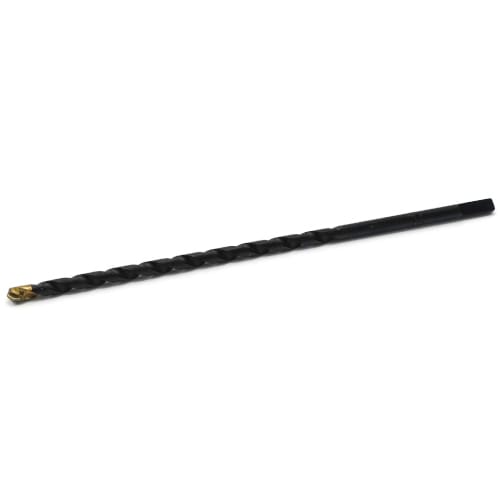
What Are Concrete and Masonry Drill Bits?
Concrete and masonry drill bits are cutting tools designed to drill hard, abrasive materials such as concrete, brick, block, and other masonry. Unlike standard metal or wood drill bits, masonry bits typically use carbide cutting edges that can withstand the impact, heat, and abrasion created during drilling.
The correct bit depends on the base material, hole diameter and depth, drilling tool, and application. Albany County Fasteners carries straight-shank masonry bits, SDS Plus drill bits, SDS Max drill bits, carbide masonry bits, and concrete screw drill bits for anchoring, construction, maintenance, and industrial work.
Concrete Drill Bits vs. Masonry Drill Bits
The terms concrete drill bit and masonry drill bit are often used interchangeably, but the best bit depends on the exact material and drilling system.
Concrete drill bits are specifically intended to withstand the density and abrasiveness of concrete, while masonry drill bits may also be suitable for brick, block, mortar, and other masonry materials depending on the bit design.
Always confirm the approved base materials and tool requirements for the specific drill bit being used.
Types of Concrete & Masonry Drill Bits
Straight-Shank Masonry Drill Bits
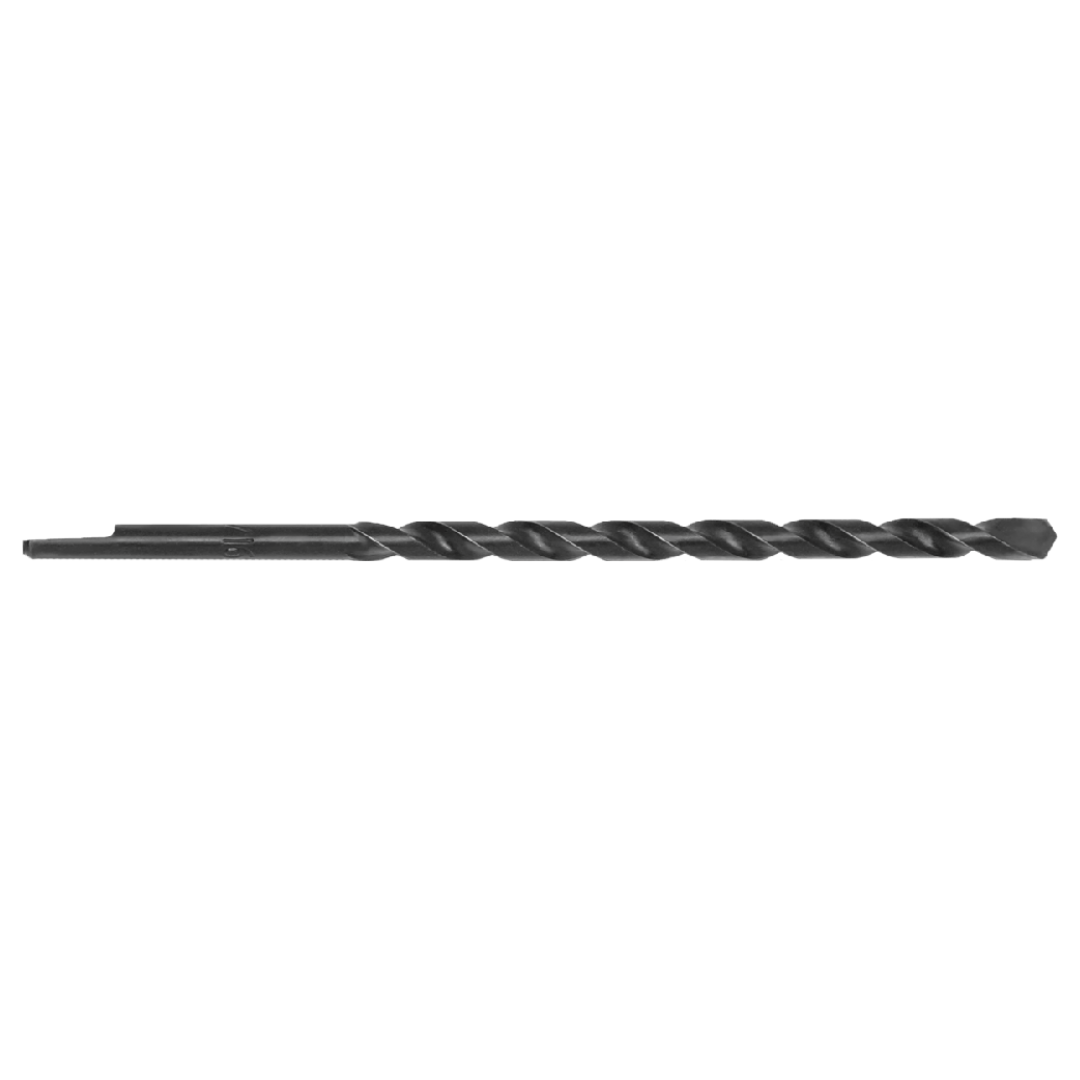
Straight-shank concrete and masonry drill bits are designed for use with compatible standard drill chucks and hammer drills. They are commonly used for smaller anchor holes, general masonry drilling, and applications where an SDS rotary hammer is not required.
When hammer action is used, confirm that both the drill and drill bit are designed for hammer drilling.
SDS Plus Drill Bits
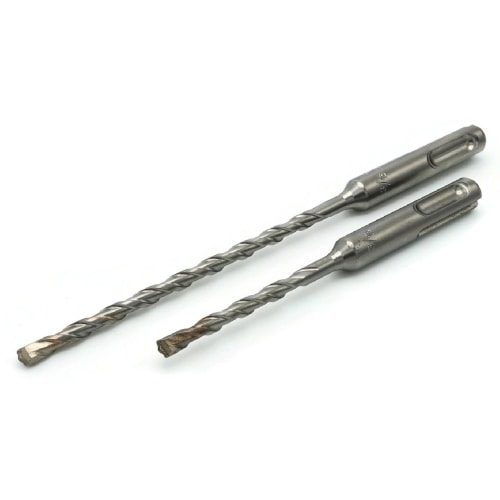
SDS Plus drill bits are designed for SDS Plus rotary hammers and are widely used for drilling anchor holes and general-purpose holes in concrete and masonry.
The SDS Plus shank locks into the rotary hammer chuck while allowing the bit to move axially during hammering. This provides efficient energy transfer for concrete drilling without requiring a conventional keyed or keyless chuck.
SDS Max Drill Bits
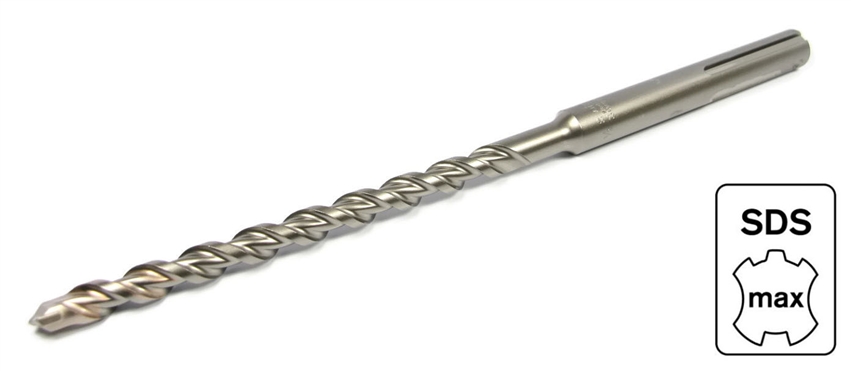
SDS Max drill bits are designed for larger, heavier-duty rotary hammers and are commonly used for larger-diameter holes and demanding concrete drilling applications.
SDS Max and SDS Plus are different shank systems and are not directly interchangeable. Always match the drill bit shank to the rotary hammer being used.
Carbide Masonry Drill Bits
Carbide masonry drill bits use hard carbide cutting tips designed to resist wear when drilling abrasive materials such as concrete, brick, and block.
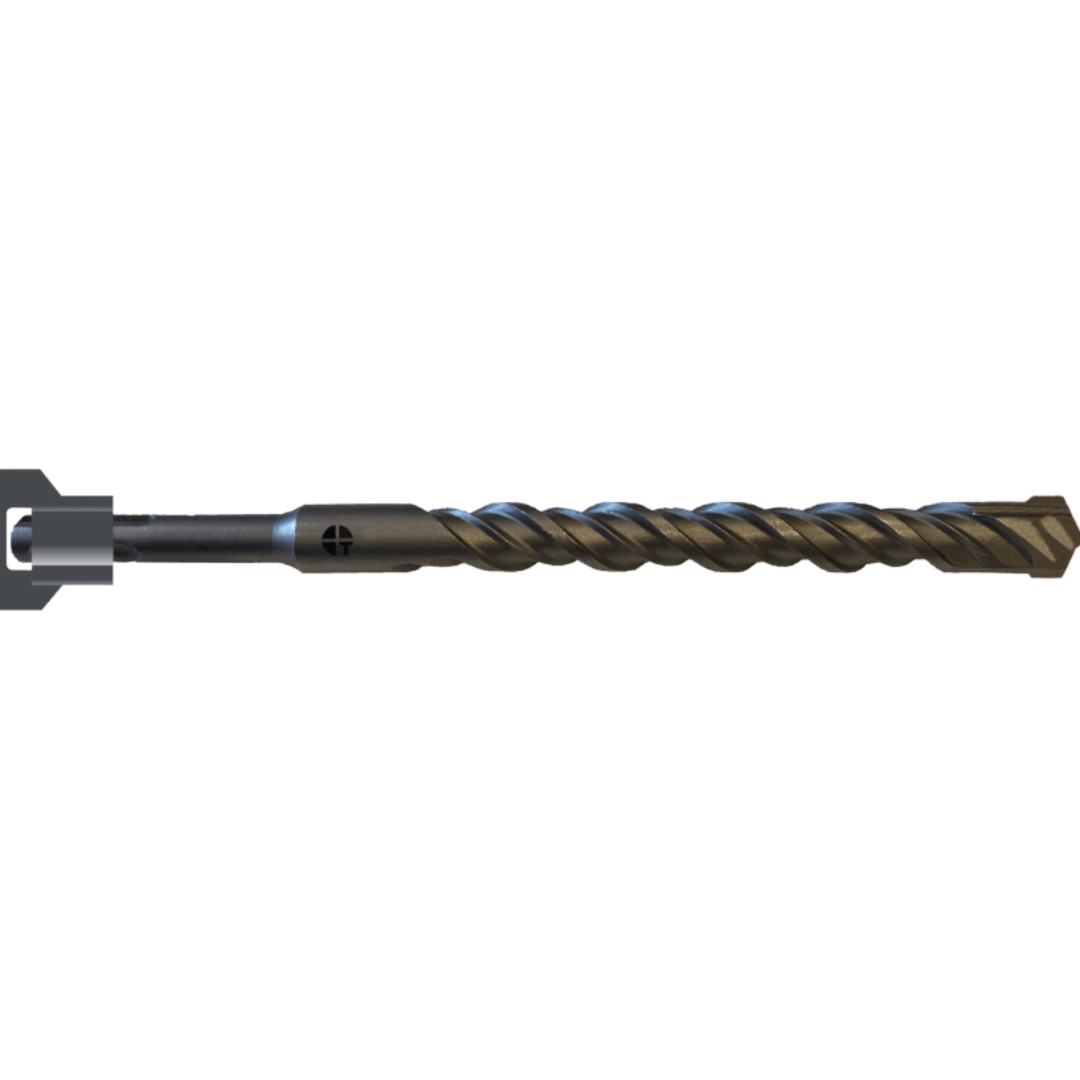
Some concrete drill bits use multiple carbide cutters to improve drilling speed, hole geometry, and durability, particularly in reinforced or demanding concrete applications.
Concrete Screw Drill Bits
Concrete screw drill bits are sized specifically for creating pilot holes for compatible concrete screws. The correct hole diameter is critical because the screw threads must properly engage the concrete without creating excessive installation torque or insufficient holding power.
Always use the drill bit diameter specified by the concrete screw manufacturer.
SDS Plus vs. SDS Max Drill Bits
| Feature | SDS Plus | SDS Max |
|---|---|---|
| Typical Tool | Smaller to medium rotary hammers | Larger heavy-duty rotary hammers |
| Typical Use | Anchor holes and general concrete drilling | Larger holes and heavier concrete drilling |
| Shank Size | Smaller SDS-style shank | Larger SDS-style shank |
| Best For | General construction and fastening | Heavy-duty construction and larger drilling |
Choose the bit system according to the rotary hammer and required hole size. SDS Plus bits cannot be used directly in an SDS Max chuck, and SDS Max bits cannot be used directly in an SDS Plus chuck without an appropriate system designed for that purpose.
What Drill Bit Should I Use for Concrete?
Use a drill bit specifically designed for concrete and compatible with the drilling tool. For smaller holes and lighter applications, a carbide-tipped masonry bit used with a compatible hammer drill may be appropriate.
For faster drilling, deeper holes, repeated anchor installation, or heavier concrete work, an SDS Plus or SDS Max rotary hammer system may be preferred.
The appropriate drill bit also depends on:
- Concrete strength and condition
- Required hole diameter
- Required drilling depth
- Anchor or fastener specifications
- Drilling tool and shank type
- Whether reinforcement may be encountered
What Drill Bit Should I Use for Brick or Block?
Use a masonry drill bit suitable for the specific brick or block being drilled. Brick, concrete block, grout-filled block, and mortar joints can have different densities and drilling characteristics.
Avoid assuming that every concrete drill bit or anchor is suitable for every masonry substrate. Always match the bit, anchor, and installation method to the actual base material.
Concrete Drill Bits for Anchor Installation
Concrete anchors depend on accurate hole diameter and depth for proper installation and holding performance. Using the wrong drill bit size can reduce anchor capacity or prevent the anchor from setting correctly.
When drilling for anchors:
- Use the drill bit diameter specified for the anchor
- Drill to the required depth
- Keep the hole as straight as possible
- Remove drilling dust according to the anchor manufacturer's instructions
- Verify embedment depth before installing the anchor
For anchor selection, browse our Concrete Anchors category.
For one-piece threaded fastening, browse our Concrete Screws.
How to Choose the Right Concrete Drill Bit Size
Concrete and masonry drill bit size should be selected according to the finished hole diameter required by the anchor, concrete screw, or application.
For anchor installation, do not estimate the hole size. Use the exact bit diameter specified by the anchor manufacturer.
The required drilling depth should also account for:
- Anchor embedment depth
- Additional hole depth required for drilling dust
- Fixture thickness where applicable
- Manufacturer installation requirements
How to Drill Concrete and Masonry
- Select the correct drill bit: Match the bit to the base material, hole diameter, and drilling tool.
- Mark the hole location: Position the hole according to the fixture or anchor requirements.
- Hold the drill perpendicular: A straight hole helps ensure proper anchor installation.
- Use the correct drilling mode: Use hammer or rotary-hammer mode only when both the tool and bit are designed for it.
- Apply controlled pressure: Allow the hammering action and carbide cutting edge to remove material without excessive force.
- Clear drilling dust: Retract the bit as needed during deeper holes to improve debris removal.
- Drill to the required depth: Confirm the finished hole meets the anchor or application specification.
- Clean the hole: Brush, blow, or vacuum dust according to the anchor manufacturer's installation instructions.
Why Is Hole Cleaning Important for Concrete Anchors?
Drilling concrete produces fine dust that can remain inside the hole. Depending on the anchor type, excessive dust can interfere with expansion, thread engagement, or adhesive bonding.
Mechanical and adhesive anchor manufacturers may specify brushing, blowing, vacuum cleaning, or a particular cleaning sequence. Follow the installation instructions for the exact anchor being used.
Common Concrete Drilling Problems
- Slow drilling: The bit may be dull, damaged, incorrectly matched to the material, or being used with the wrong drilling mode.
- Overheating: Excessive pressure or insufficient chip and dust removal can increase heat.
- Oversized holes: A worn bit, excessive movement, or poor drilling alignment can affect finished hole diameter.
- Bit binding: Dust buildup or reinforcement can interfere with drilling.
- Chipped carbide: Impact with reinforcement, improper use, or excessive force can damage the cutting edges.
- Incorrect anchor fit: The wrong drill bit diameter can prevent proper anchor installation.
Concrete & Masonry Drill Bit FAQs
What is the best drill bit for concrete?
The best drill bit depends on the hole size, depth, concrete condition, and drilling tool. Carbide-tipped masonry bits are commonly used with compatible hammer drills, while SDS Plus and SDS Max bits are designed for rotary hammers.
What is the difference between a concrete drill bit and a masonry drill bit?
Concrete drill bits are designed specifically for concrete, while masonry drill bits may be suitable for concrete, brick, block, mortar, and other masonry materials depending on the product design.
What are SDS drill bits?
SDS drill bits use specialized shanks designed to lock into compatible rotary hammer chucks while allowing axial movement during hammering. Common systems include SDS Plus and SDS Max.
What is the difference between SDS Plus and SDS Max?
SDS Plus is generally used with smaller and medium rotary hammers for common anchor holes and general concrete drilling. SDS Max is used with larger rotary hammers for larger-diameter and heavier-duty concrete drilling.
Can I use an SDS Plus drill bit in a regular drill?
SDS Plus bits are designed for SDS Plus rotary hammer chucks and should be used with compatible equipment unless a tool or adapter is specifically designed for another configuration.
Can I use a masonry drill bit without hammer mode?
Some masonry bits can drill certain masonry materials using rotary action alone, but drilling may be slower. Use hammer mode only when both the drill and drill bit are specifically designed for impact drilling.
What drill bit should I use for a concrete screw?
Use the exact drill bit diameter specified by the concrete screw manufacturer. Concrete screw performance depends on the pilot hole being the correct diameter and depth.
What drill bit should I use for a wedge anchor?
Use the drill bit diameter specified for the particular wedge anchor. The finished hole must meet the anchor manufacturer's dimensional and installation requirements.
Can masonry drill bits drill brick?
Yes, when the bit is designed for brick and the drilling method is appropriate for the masonry. The condition and type of brick should be considered before drilling.
Can concrete drill bits drill through rebar?
Standard masonry drill bits are not necessarily designed to cut reinforcing steel. If reinforcement is encountered, use a drilling method and cutting tool specifically appropriate for the application and follow applicable construction requirements.
Why is my concrete drill bit not drilling?
Possible causes include a dull or damaged carbide tip, using rotary mode instead of the required hammer mode, insufficient drilling power, an incorrect bit type, or contact with reinforcement or another hard obstruction.
How deep should I drill for a concrete anchor?
Hole depth depends on the anchor type, diameter, embedment requirement, and manufacturer instructions. Drill to the depth specified for the exact anchor being installed.
Do I need to clean a concrete anchor hole?
Yes, many anchor systems require hole cleaning for proper installation. Follow the manufacturer's instructions for brushing, blowing, vacuuming, or other required cleaning procedures.