

Metal to Wood Roofing Screws

What are Metal to Wood Roofing Screws? Metal to wood roofing screws are roofing fasteners used to attach metal panels, siding panels, trim, flashing, and other roofing components into wood purlins, wood framing, decking, or other wood substrates. They are commonly used in metal roofing and siding applications where the fastener needs to secure metal to wood while providing the correct point style, thread design, washer option, coating, and finished appearance for the job.
Metal to Wood

Fastgrip™
Metal-to-wood roofing screws with coarse threads and a sealing washer for fastening panels to wood substrate.
Fastgrip MINI-DRILLER™, Mechanical galvanized steel
Metal-to-wood roofing screws with a mini drill point that pierces the panel before threading into wood.

Logrip™, Galvanized Steel
Long metal-to-wood roofing screws built to reach through thick material into heavy wood framing.

ProCap™, Stainless steel
Capped metal-to-wood roofing screws with a color-matched or protective head cap and sealing washer.

ProCap MINI-DRILLER™, Stainless steel
Capped metal-to-wood roofing screws with a mini drill point for piercing the panel before threading into wood.
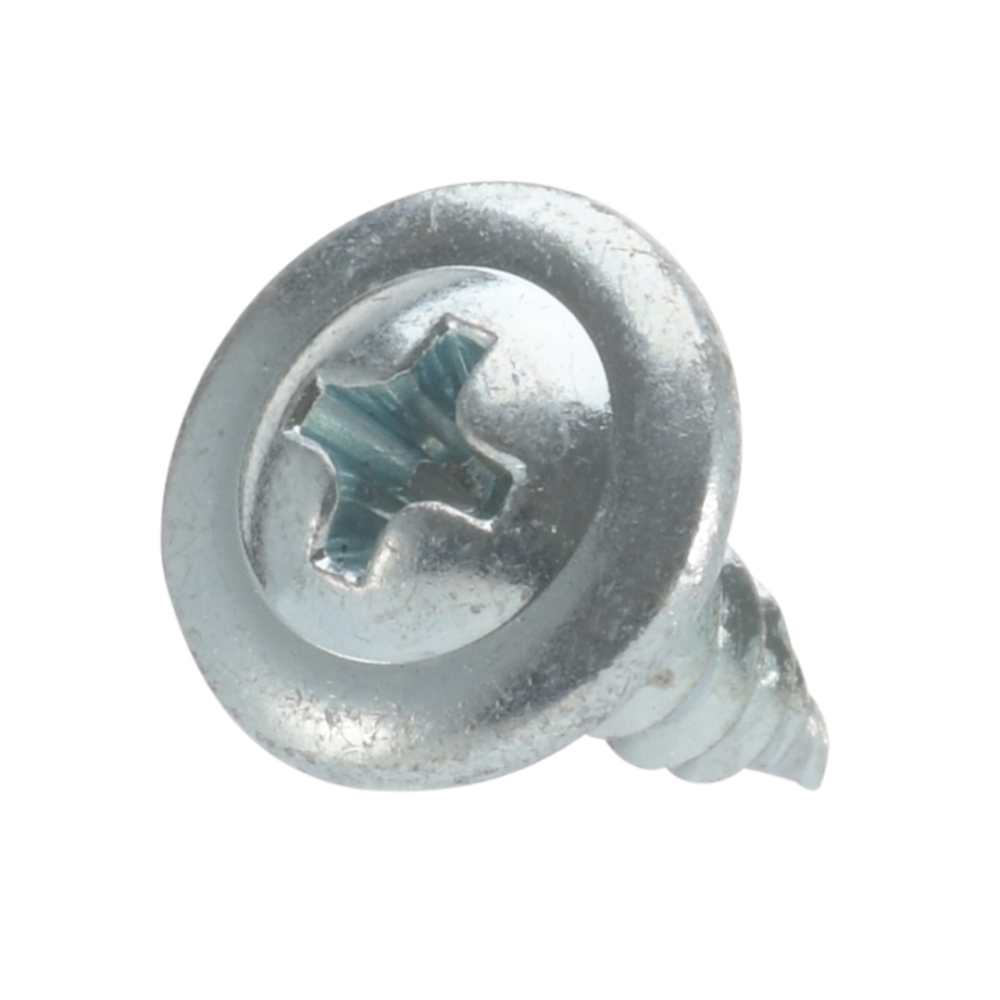
Phillips wafer head, Zinc plated steel
Metal-to-wood roofing screws with a wide, thin wafer head and Phillips drive that sit low against the panel.

ReGrip™
Metal-to-wood roofing screws designed for re-fastening or replacing screws in existing wood substrate.

TruGrip™
Metal-to-wood roofing screws with threads engineered for consistent grip and pull-out resistance in wood.

TuffGrip™, Mechanical galvanized steel
Heavy-duty metal-to-wood roofing screws built for high pull-out strength in demanding applications.

Metal to Wood Roofing Screws By Color
Browse every metal-to-wood screw line by head color, to match your panels, trim, and flashing.
Why Choose Metal to Wood Roofing Screws?
Metal to wood roofing screws are designed to fasten metal roofing panels, siding, trim, flashing, closures, and other sheet-metal components into wood purlins, wood framing, sheathing, decking, and other compatible wood substrates.
Albany County Fasteners carries multiple metal-to-wood roofing screw styles, including Fastgrip™, Fastgrip MINI-DRILLER™, Logrip™, ProCap™, ProCap MINI-DRILLER™, Phillips wafer head, ReGrip™, TruGrip™, TuffGrip™, stainless steel, mechanical galvanized, and color-matched roofing screws.
Common Uses for Metal to Wood Roofing Screws
Metal-to-wood roofing screws are commonly used for:
- Metal roofing panels over wood purlins
- Metal siding attached to wood framing
- Pole barns and post-frame buildings
- Garages, sheds, and agricultural buildings
- Residential metal roofing
- Ridge caps, trim, flashing, and closures
- Commercial metal siding over wood framing
- Roof repair and replacement-fastener applications
For applications where metal roofing panels are being fastened to steel or another compatible metal substrate, shop our Metal to Metal Roofing Screws.
Metal to Wood vs. Metal to Metal Roofing Screws
The correct roofing screw depends primarily on the material the screw must engage after passing through the metal roofing panel.
| Feature | Metal to Wood Roofing Screws | Metal to Metal Roofing Screws |
|---|---|---|
| Primary substrate | Wood purlins, framing, sheathing, or compatible wood substrates | Steel or compatible metal framing |
| Common point style | Sharp, Type 17, mini-driller, or other wood-oriented point | Self-drilling / TEK-style point |
| Thread design | Designed to develop holding power in wood | Designed to form mating threads in metal |
| Typical application | Metal roof or siding panels attached to wood framing | Metal roof or siding panels attached to steel framing |
Do not select a roofing screw based only on the metal panel. The point and thread design must match the substrate beneath the panel.
Point Styles for Metal to Wood Roofing Screws
Metal-to-wood roofing screws use point designs that allow the fastener to pass through the metal panel and engage the wood substrate below.
Sharp and Type 17 Points
Sharp and Type 17-style points are commonly used for metal-to-wood fastening. These points help the screw penetrate the metal panel and begin cutting into the wood while the coarse threads develop holding power in the wood substrate.
MINI-DRILLER™ Points
MINI-DRILLER™ roofing screws use a small drill-style point designed to help pierce the metal panel before the wood-oriented threads engage the framing below. These can be useful where panel penetration is more difficult than with a conventional sharp-point design.
Always select the point style according to the roofing panel, substrate, fastener specifications, and installation requirements.
Fastgrip™ Roofing Screws
Fastgrip™ metal-to-wood roofing screws are designed for fastening metal roof and siding panels into wood. Their coarse threads develop holding power in wood framing, and options are available with sealing washers for exposed roofing applications.
Fastgrip™ products are available in multiple materials and configurations, including stainless steel and mechanical galvanized options depending on the specific product.
Fastgrip MINI-DRILLER™ Roofing Screws
Fastgrip MINI-DRILLER™ roofing screws combine a wood-fastening thread with a mini-drill point that helps pierce the metal roofing panel before the screw engages the wood substrate.
They are available in multiple colors for visible exposed-fastener roofing and siding installations.
ProCap™ and ProCap MINI-DRILLER™ Roofing Screws
ProCap™ metal-to-wood roofing screws provide stainless steel roofing-fastener options with protective or color-matched head-cap designs and sealing washers for exposed applications.
ProCap MINI-DRILLER™ screws add a mini-drill point to help penetrate the roofing panel before the wood-oriented threads develop holding power in the substrate.
TuffGrip™ and TruGrip™ Roofing Screws
TuffGrip™ and TruGrip™ roofing screws provide additional metal-to-wood fastening options for applications where consistent holding power in wood is required.
Depending on the product, options may include bonded EPDM sealing washers for exposed roofing applications or configurations without sealing washers for applications where a bonded washer is not required.
ReGrip™ Replacement Roofing Screws
ReGrip™ roofing screws are designed for repair and replacement applications where an existing roofing fastener has loosened, failed, or left an enlarged hole in the wood substrate.
A replacement roofing screw typically uses a larger diameter or more aggressive thread design to develop new holding power in the existing fastening location.
ReGrip™ screws can be useful for:
- Replacing loose roofing screws
- Repairing enlarged fastener holes
- Replacing failed or leaking exposed roofing fasteners
- Re-fastening metal roofing panels to existing wood framing
The correct replacement screw depends on the condition of the existing hole, wood substrate, panel, required diameter, washer design, and roofing-system requirements.
How to Choose the Correct Metal to Wood Roofing Screw Length
Roofing screw length should be selected according to the roofing-panel profile, panel thickness, any additional materials in the connection, and the required penetration into the wood framing.
There is no single screw length that is correct for every metal roof. Consider:
- Height and profile of the metal roofing panel
- Panel and trim thickness
- Wood framing or purlin thickness
- Required wood penetration
- Fastener diameter and thread design
- Roofing-panel manufacturer requirements
- Fastener manufacturer specifications
Follow the roofing-panel and fastener manufacturer's specified penetration or embedment requirements rather than relying on one universal rule.
EPDM Sealing Washers for Metal to Wood Roofing Screws
Many exposed metal-to-wood roofing screws use a bonded EPDM sealing washer beneath the screw head. When installed correctly, the washer compresses against the roofing panel to help seal the fastener penetration against moisture.
Correct washer compression is important:
- Under-driven: The washer may remain loose and leave gaps that can allow moisture beneath the screw head.
- Properly driven: The washer is evenly compressed and remains slightly visible around the metal backing washer.
- Over-driven: Excessive compression can crush or split the EPDM washer, distort the panel, or strip the wood substrate.
How Tight Should Metal Roofing Screws Be in Wood?
Metal-to-wood roofing screws should be driven firmly enough to develop proper holding power and evenly compress the sealing washer without crushing the washer or stripping the wood.
Drive the screw perpendicular to the roofing panel so the washer sits flat against the metal. Angled installation can produce uneven compression and create a potential path for moisture.
Use controlled driver speed and follow the roofing-panel and fastener manufacturer's installation requirements.
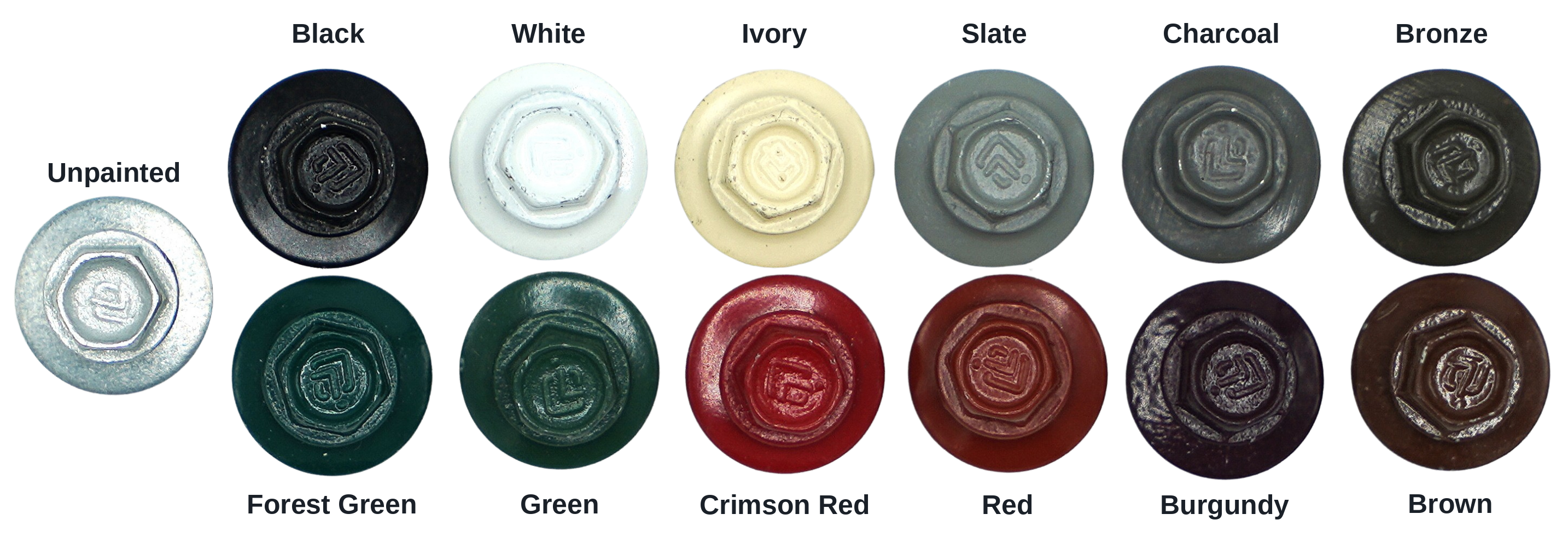
Color-Matched Metal to Wood Roofing Screws
Color-matched roofing screws use painted or capped heads designed to coordinate with common metal roofing and siding panel colors.
Available colors may include:
- Unpainted
- Black
- White
- Ivory
- Slate
- Charcoal
- Bronze
- Brown
- Burgundy
- Red
- Crimson Red
- Green
- Forest Green
Choose the correct screw type, diameter, length, point, washer, material, and coating first, then select the color that best matches the roofing or siding panel.
Materials and Finishes for Metal to Wood Roofing Screws
Metal-to-wood roofing screws are available in different materials and protective finishes depending on environmental exposure and roofing-system requirements.
- Mechanical galvanized steel: Provides zinc-based corrosion protection for compatible roofing and siding applications.
- Stainless steel: Provides increased corrosion resistance for moisture-exposed and more demanding environments, depending on the stainless grade.
- Protective head caps and painted finishes: Provide color matching and may offer additional protection to exposed fastener heads depending on the product design.
Always verify compatibility between the fastener, roofing panel, wood treatment, environment, and project requirements.
Metal Roofing Screws and Pressure-Treated Wood
Pressure-treated lumber can be more corrosive to certain metal fasteners than untreated wood. When metal roofing is installed over treated lumber, select a fastener material or coating specifically approved for compatibility with the wood treatment and environmental exposure.
Do not assume that every zinc-coated or stainless fastener is suitable for every treated-lumber application. Follow the roofing-panel, lumber-treatment, and fastener manufacturer's compatibility requirements.
How to Choose the Right Metal to Wood Roofing Screw
Use the following checklist when selecting a metal-to-wood roofing screw:
- Wood substrate: Identify the type and condition of the framing, purlin, sheathing, or decking.
- Panel profile: Account for the height and geometry of the roofing panel.
- Point style: Choose a sharp, Type 17, MINI-DRILLER™, or other appropriate point design.
- Diameter: Select according to the required holding power and fastener specifications.
- Length: Provide sufficient length for the roofing assembly and required wood penetration.
- Washer: Use an appropriate sealing washer for exposed roofing applications.
- Material and coating: Match the corrosion protection to the environment and wood substrate.
- Color: Choose a matching head color where appearance is important.
For broader roofing-screw selection guidance, browse our Roofing Screws category.
How to Install Metal to Wood Roofing Screws
- Select the correct screw: Match the point, diameter, length, washer, material, and coating to the roofing system and wood substrate.
- Locate the fastener correctly: Follow the panel manufacturer's required fastening location and spacing.
- Drive perpendicular to the panel: Keep the screw square so the washer seats evenly.
- Penetrate the roofing panel: Allow the point to pass through the metal without excessive speed or pressure.
- Engage the wood: Continue driving until the threads develop the required holding power in the wood substrate.
- Seat the washer: Compress the EPDM washer evenly without crushing or splitting it.
- Inspect the fastener: Verify that the screw is straight, secure, and properly seated.
Common Metal to Wood Roofing Screw Problems
- Incorrect screw length: Can result in insufficient wood penetration or unnecessary protrusion.
- Overdriving: Can crush the sealing washer or strip the wood substrate.
- Underdriving: Can leave the washer insufficiently compressed and the panel loose.
- Angled installation: Can prevent the washer from sealing evenly.
- Wrong point style: Can make panel penetration difficult or reduce installation efficiency.
- Loose existing hole: May require a properly sized replacement or ReGrip™-style fastener.
- Incorrect material or coating: Can lead to corrosion or incompatibility with treated wood or roofing materials.
Frequently Asked Questions About Metal to Wood Roofing Screws
What are metal to wood roofing screws?
Metal to wood roofing screws are fasteners designed to attach metal roofing, siding, trim, flashing, and related components to wood purlins, framing, sheathing, decking, or other compatible wood substrates.
What screws should I use to attach metal roofing to wood?
Use a roofing screw specifically designed for metal-to-wood fastening. The correct screw should have a point and thread design appropriate for the roofing panel and wood substrate, along with the required length, diameter, sealing washer, and corrosion protection.
What is the difference between metal to wood and metal to metal roofing screws?
Metal-to-wood roofing screws use thread and point designs intended to develop holding power in wood. Metal-to-metal roofing screws are designed to drill and form threads in compatible metal substrates.
What is a Type 17 roofing screw?
A Type 17-style point is a sharp, slotted point commonly used on wood-fastening screws. It helps the fastener start into the material and can improve penetration when fastening through metal panels into wood.
What is a MINI-DRILLER™ roofing screw?
A MINI-DRILLER™ metal-to-wood roofing screw uses a small drill-style point that helps pierce the metal panel before the wood-fastening threads engage the substrate below.
What are ReGrip™ roofing screws used for?
ReGrip™ roofing screws are designed for repair and replacement applications where an existing fastener has loosened or the original hole no longer provides adequate holding power.
Can I replace a loose roofing screw with a larger screw?
An appropriately designed oversized replacement roofing screw may be used when an existing hole has enlarged, but the correct replacement depends on the hole condition, wood substrate, roofing panel, required washer, and manufacturer recommendations.
Do metal to wood roofing screws need sealing washers?
Exposed roofing screws commonly use bonded EPDM sealing washers to help prevent moisture from entering around the fastener penetration. Concealed or specialty applications may use different fastener designs.
How tight should metal roofing screws be in wood?
Drive the screw firmly enough to develop proper thread engagement and evenly compress the sealing washer without crushing the washer or stripping the wood.
How long should metal roofing screws be?
Select screw length according to the roofing-panel profile, material thickness, wood substrate, and required penetration. Follow the fastener and roofing-panel manufacturer's requirements rather than relying on one universal length.
Can metal roofing screws be used in pressure-treated wood?
Only when the fastener material or coating is compatible with the specific treated-lumber system. Treated wood can accelerate corrosion of unsuitable fasteners, so verify the manufacturer's compatibility requirements.
Can metal to wood roofing screws be color matched?
Yes. Many metal-to-wood roofing screws are available with painted or capped heads in colors designed to coordinate with common metal roofing and siding finishes.
Can stainless steel roofing screws be used outdoors?
Yes, when the stainless grade and complete fastener design are suitable for the roofing panel, wood substrate, environmental exposure, and project requirements.