

Metal to Metal Roofing Screws

What are Metal to Metal Roofing Screws? Metal to metal roofing screws are fasteners used to attach metal panels, panel laps, trim, flashing, and other metal roofing components to compatible metal surfaces. They are commonly used in roofing and siding applications where the screw needs to fasten metal to metal rather than metal to wood, with options for stitch fastening, sealing washers, painted finishes, and corrosion-resistant materials.
Metal to Metal

Hex Washer Head
Metal-to-metal roofing screws with a hex head and bonded sealing washer, driven with a nut driver for high torque and a weathertight seal.

Metalgrip™, Mechanical galvanized steel
Metal-to-metal roofing screws designed to grip thin gauge steel with a sealing washer for a watertight fastening.

Metalgrip™ stitch, Mechanical galvanized steel
Short metal-to-metal stitch screws that join overlapping panel seams and flashing with a sealing washer.

ProZ™, Zinc-aluminum alloy
Coated metal-to-metal roofing screws built for extended corrosion resistance in exposed panel applications.

ProZ™ stitch, Zinc-aluminum alloy
Coated stitch screws for joining overlapping metal panel seams with enhanced corrosion protection.

ProCap™ stitch, Stainless steel
Capped stitch screws that seal overlapping metal seams with a color-matched or protective head cap.
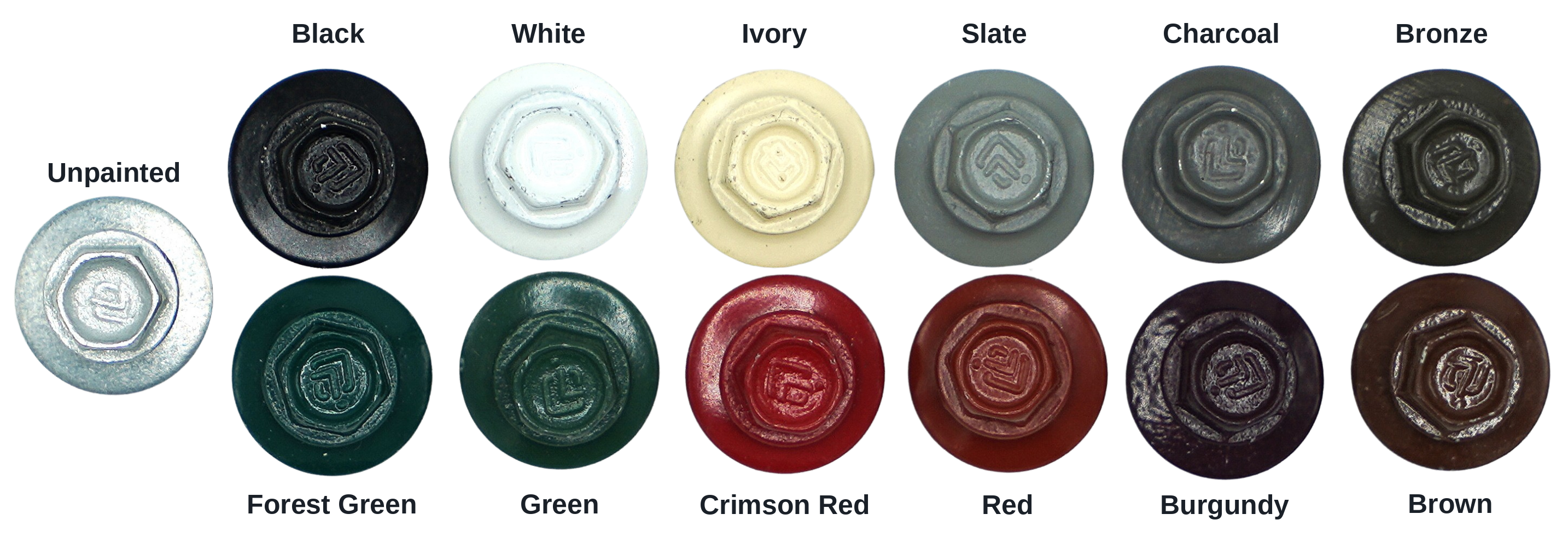
.png?ts=1786124285 "Metal to Metal Roofing Screws By Color")
Metal to Metal Roofing Screws By Color
General metal-to-metal roofing screws with drill or fine-thread points and sealing washers for panel-to-frame fastening.
Why Choose Metal to Metal Roofing Screws?
Metal to metal roofing screws are designed to fasten metal roofing panels, siding, trim, flashing, closures, and other metal components to compatible metal framing or sheet metal. They are used when the fastener needs to secure metal to metal rather than penetrate into wood framing.
Albany County Fasteners carries several metal-to-metal roofing screw styles, including hex washer head screws, self-drilling roofing screws, Metalgrip™ screws, Metalgrip™ stitch screws, ProZ™ screws, ProZ™ stitch screws, ProCap™ stitch screws, and color-matched roofing fasteners.
Common Uses for Metal to Metal Roofing Screws
Metal to metal roofing screws are commonly used for:
- Attaching metal roofing panels to compatible steel framing or purlins
- Metal siding installation
- Panel laps and side laps
- Trim and flashing
- Closures and roofing accessories
- Light-gauge steel framing
- Panel-to-panel sheet metal fastening
For applications where the metal roofing panel is being attached to wood purlins, wood framing, decking, or another wood substrate, shop our Metal to Wood Roofing Screws.
Self-Drilling Metal Roofing Screws
Many metal-to-metal roofing screws use a self-drilling point designed to drill through compatible metal and form mating threads during installation. When the drill point is properly matched to the material thickness, the screw can create its own hole without a separate pilot-drilling operation.
Self-drilling roofing screws are commonly used when fastening metal roof panels or siding into steel purlins, girts, framing, or other metal substrates.
The drill point must be capable of penetrating the combined metal thickness before the screw threads begin to engage. Selecting the wrong drill point can lead to slow installation, broken drill points, stripped threads, poor clamping, or incomplete fastening.
For additional self-drilling fastener styles, browse our Self-Tapping & Self-Drilling Screws.
Metal to Metal vs. Metal to Wood Roofing Screws
Metal-to-metal and metal-to-wood roofing screws may look similar, but the point and thread designs are intended for different substrates.
| Feature | Metal to Metal Roofing Screws | Metal to Wood Roofing Screws |
|---|---|---|
| Primary substrate | Steel or compatible metal framing and sheet metal | Wood purlins, framing, sheathing, or compatible wood substrates |
| Common point style | Self-drilling / TEK-style point | Sharp point, Type 17, or other wood-oriented point |
| Thread design | Designed to form threads in compatible metal | Designed to develop holding power in wood |
| Typical application | Metal roof or siding panels into steel framing | Metal roof panels into wood framing |
Always choose the screw according to the actual substrate being fastened into, not only the roofing panel material.
Self-Drilling Roofing Screws vs. Stitch Screws
Self-drilling panel fasteners and stitch screws serve different purposes in a metal roofing system.
Self-Drilling Panel Fasteners
Self-drilling roofing screws are used when the fastener must pass through the roofing panel and engage the metal framing or substrate below. Their drill point and thread design are selected according to the combined thickness of the materials being fastened.
Stitch Screws
Stitch screws, also called lap screws, are shorter fasteners designed primarily for joining overlapping sheet-metal panels, side laps, trim, flashing, and other light-gauge metal connections.
A stitch screw normally joins metal panels or accessories to one another rather than acting as the primary panel-to-structural-frame fastener.
How to Choose the Correct Drill Point
The drill point is one of the most important features of a self-drilling metal-to-metal roofing screw.
The correct point should be selected according to the combined thickness of all metal layers being drilled. The drill point must completely penetrate the material before the screw threads engage and begin forming mating threads.
When selecting a self-drilling roofing screw, consider:
- Roofing-panel thickness
- Thickness of the metal framing or substrate
- Total combined drilling thickness
- Fastener diameter
- Required thread engagement
- Fastener manufacturer's drill-point capacity
Drill-point design and capacity vary by product. Always use the manufacturer's published specifications when selecting a screw for a particular gauge or combined metal thickness.
Hex Washer Head Metal to Metal Roofing Screws
Hex washer head roofing screws provide positive wrench or nut-driver engagement and a broad bearing surface beneath the head. This makes them common for exposed metal roofing and siding applications.
Depending on the product, a hex washer head screw may include a bonded sealing washer for weather-exposed installations or may be supplied without a sealing washer for applications where one is not required.
EPDM Sealing Washers for Metal Roofing
Many exposed metal-to-metal roofing screws use a bonded EPDM sealing washer beneath the head. When installed correctly, the washer compresses evenly against the panel to help seal the fastener penetration against moisture.
The washer should be compressed enough to create a seal without being crushed, split, or excessively deformed.
- Under-driven: The washer may remain loose and leave gaps where moisture can enter.
- Properly driven: The washer is compressed evenly and remains slightly visible around the metal backing washer.
- Over-driven: Excessive pressure can crush or split the EPDM washer, distort the panel, or strip the substrate.
How Tight Should Metal Roofing Screws Be?
Metal roofing screws should be driven firmly enough to properly seat the fastener and compress the sealing washer without crushing it.
Drive the screw perpendicular to the roofing panel so the washer seats evenly. Angled installation can leave one side of the washer insufficiently compressed and create a potential moisture path.
Follow the roofing-panel and fastener manufacturer's installation torque, driver setting, and fastening requirements.
Metalgrip™ Metal to Metal Roofing Screws
Metalgrip™ roofing screws are designed for metal-to-metal fastening applications and are available in multiple colors and configurations. Options include standard panel fasteners and Metalgrip™ stitch screws for panel laps, trim, and overlapping sheet-metal connections.
Mechanical galvanized finishes provide corrosion protection for compatible roofing and siding applications. Select the specific Metalgrip™ fastener according to the panel, substrate thickness, exposure, and connection requirements.
ProZ™ Metal to Metal Roofing Screws
ProZ™ metal-to-metal roofing screws use a zinc-aluminum alloy coating designed to provide corrosion protection for exposed roofing and siding applications.
ProZ™ options include standard roofing fasteners as well as stitch screws for joining panel laps, trim, and other overlapping metal components.
ProCap™ Stitch Roofing Screws
ProCap™ stitch screws are designed for overlapping metal panel, trim, and sheet-metal fastening applications. Depending on the specific product, they may provide stainless steel construction or a protective head-cap design for additional appearance and environmental protection.
Choose the product according to the roofing material, connection type, exposure level, and required corrosion resistance.
Color-Matched Metal Roofing Screws
Metal-to-metal roofing screws are available in a range of painted head colors designed to coordinate with common metal roof and siding finishes.
Available colors may include:
- Unpainted
- Black
- White
- Ivory
- Slate
- Charcoal
- Bronze
- Brown
- Burgundy
- Red
- Crimson Red
- Green
- Forest Green
Color should be selected only after confirming the correct fastener type, drill point, diameter, length, washer, material, and coating for the application.
Materials and Coatings for Metal to Metal Roofing Screws
Metal-to-metal roofing screws are available with different materials and coating systems depending on the required corrosion resistance and service environment.
- Mechanical galvanized steel: Provides a protective zinc-based coating for general roofing and siding applications.
- Zinc-aluminum alloy coatings: Provide enhanced corrosion resistance for compatible exposed applications.
- Stainless steel: Provides increased corrosion resistance for moisture-exposed and more demanding environments depending on the stainless grade.
- Painted or capped heads: Improve color matching and may provide additional protection to exposed fastener heads depending on the product design.
Select the fastener material and coating according to the panel material, substrate, environmental exposure, compatibility requirements, and roofing-system specifications.
How to Choose the Right Metal to Metal Roofing Screw
Use the following checklist when selecting a metal-to-metal roofing screw:
- Connection type: Determine whether you are fastening the roof panel to metal framing or joining panel laps and trim.
- Combined metal thickness: Match the self-drilling point to the total drilling thickness.
- Fastener diameter: Select according to the load, panel, substrate, and fastener specifications.
- Length: Make sure the screw passes through the joined materials and provides the required thread engagement.
- Washer: Use an appropriate bonded sealing washer for exposed weather-sealing applications.
- Material and coating: Choose the required corrosion resistance for the environment.
- Color: Select a matching head color where appearance is important.
For additional roofing screw styles and selection information, browse our Roofing Screws category.
How to Install Metal to Metal Roofing Screws
- Choose the correct fastener: Match the drill point, diameter, length, washer, and coating to the application.
- Position the fastener: Follow the roofing-panel manufacturer's required screw location and spacing.
- Drive perpendicular to the panel: Keep the screw square so the washer seats evenly.
- Allow the drill point to work: Apply controlled pressure and speed until the drill point penetrates the metal.
- Allow the threads to engage: Once drilling is complete, continue driving until the joint is secure.
- Seat the washer correctly: Compress the sealing washer evenly without crushing or splitting it.
- Inspect the connection: Verify that the screw is secure, straight, and properly seated.
Common Metal to Metal Roofing Screw Problems
- Wrong drill point: May fail to penetrate the substrate or may break before the threads engage.
- Insufficient thread engagement: Can reduce holding performance.
- Overdriving: Can damage sealing washers, strip threads, or deform the roofing panel.
- Underdriving: Can leave the fastener loose or the washer insufficiently compressed.
- Angled installation: Can prevent proper washer sealing.
- Using a stitch screw as a structural panel fastener: May provide insufficient engagement for the main panel-to-frame connection.
- Incorrect coating or material: Can cause premature corrosion or material compatibility problems.
Frequently Asked Questions About Metal to Metal Roofing Screws
What is a metal to metal roofing screw?
A metal to metal roofing screw is a fastener designed to attach metal roofing, siding, trim, flashing, or other sheet-metal components to compatible metal substrates or framing.
Are metal to metal roofing screws self-drilling?
Many metal-to-metal roofing screws are self-drilling and use a drill-style point to penetrate compatible metal before the threads engage. Not every roofing screw uses the same point, so always verify the fastener design and rated drilling capacity.
Do self-drilling roofing screws need a pilot hole?
A properly selected self-drilling roofing screw is designed to create its own hole within its rated drilling capacity. A separate pilot hole is generally not required unless specified by the fastener, panel, or project manufacturer.
How do I choose the correct TEK or drill point?
Choose the drill point according to the combined thickness of all metal layers the screw must penetrate. The drill point must completely drill through the material before the threads engage.
What is the difference between a metal to metal and metal to wood roofing screw?
Metal-to-metal roofing screws are designed to form threads in compatible metal substrates. Metal-to-wood roofing screws use point and thread designs intended to develop holding power in wood framing or sheathing.
What is a roofing stitch screw?
A stitch screw is a shorter roofing fastener used primarily for joining overlapping sheet-metal panels, side laps, trim, flashing, and other thin metal components.
Can I use a stitch screw to attach a roof panel to a steel purlin?
Stitch screws are generally intended for panel-to-panel and light-gauge lap connections rather than the main panel-to-structural-frame connection. Use the fastener specified for the roofing panel and structural substrate.
Do metal to metal roofing screws need sealing washers?
Exposed roofing fasteners commonly use bonded sealing washers to help prevent moisture from entering around the screw penetration. The required washer depends on the roofing system and application.
How tight should metal roofing screws be?
Tighten the screw enough to evenly compress the sealing washer without crushing, splitting, or excessively deforming it. Avoid both overdriving and underdriving.
Can metal roofing screws be color matched?
Yes. Many metal-to-metal roofing screws are available with painted or capped heads in colors designed to coordinate with common metal roofing and siding panels.
What coating should I use for metal roofing screws?
The correct coating depends on the roofing panel, substrate, environment, moisture, salt exposure, and project specifications. Mechanical galvanized, zinc-aluminum, stainless steel, and other corrosion-resistant systems are available depending on the product.
Can stainless steel metal roofing screws be used in coastal areas?
Stainless steel can provide increased corrosion resistance in coastal environments, but the appropriate stainless grade and complete fastener system should be selected according to salt exposure, panel compatibility, and roofing-system requirements.
How do I know what length metal to metal roofing screw to use?
Choose a screw long enough to pass through all joined materials and provide the required thread engagement in the metal substrate. Follow the fastener and roofing-panel manufacturer's specifications rather than relying on one universal screw length.