

Lifting Hardware
What is lifting hardware? Lifting hardware is the set of fittings that create attachment points for lifting, rigging, tensioning, and securing loads. The category covers three distinct jobs that often get lumped together: fittings that provide a lifting point on a load, such as eye bolts, eye nuts, hoist rings, and pad eyes; fittings that tension or connect a rigging assembly, such as turnbuckles and rod ends; and workholding and securement hardware, such as T-slot nuts, set-up wedges, and D-rings. AlbanyCountyFasteners.com stocks all three in carbon steel, alloy steel, stainless, and galvanized finishes. Our lifting hardware is proudly forged HERE in the United States of America!
Lifting Hardware - USA DOMESTIC
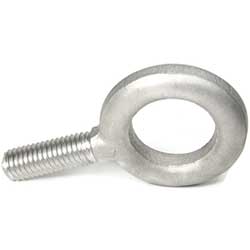
Eye Bolts - USA MADE
Threaded fasteners with a looped head that accept a rope, cable, or chain for lifting, rigging, and securing loads.
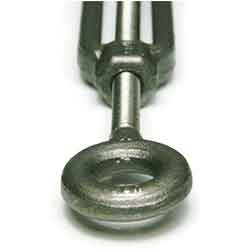
Turnbuckles - USA MADE
Adjustable rigging fittings with two threaded end fittings and a central body that tightens or loosens cable, rod, or rope tension.
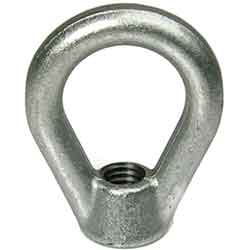
Eye Nuts - USA MADE
Nuts with a looped head that thread onto a bolt or rod to create a lifting or attachment point for rope, cable, or chain.
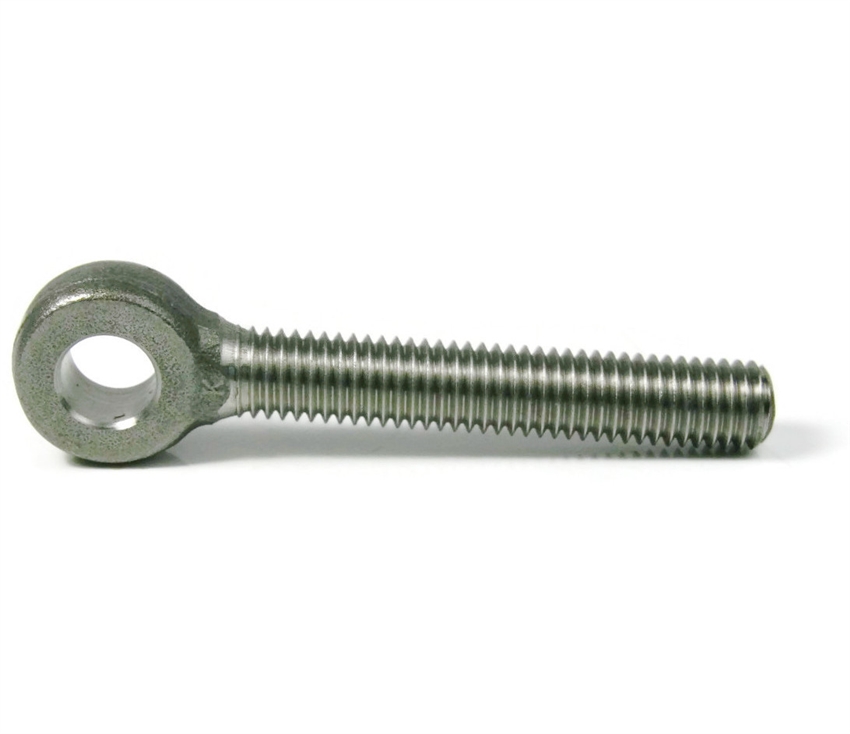
Rod Ends - USA MADE
Bolt-like fittings formed from bar stock with an eye at one end, used as an anchor or connection point in rigging.
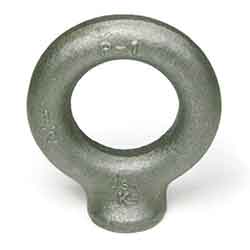
Pad Eyes - USA MADE
Flat plates with a hole, welded or bolted to a surface, that create a fixed anchor point for rigging and tie-downs.
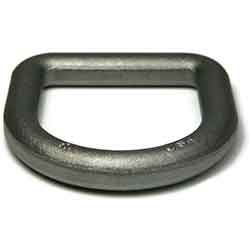
D-Rings & Clips - USA MADE
D-shaped rings and clips that create tie-off and attachment points for rigging, tie-downs, and load securement.
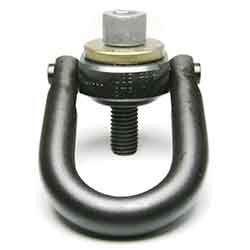
Swivel Hoist Rings - USA MADE
Rotating and pivoting lifting points that align with the load angle to safely handle side and angular loads.
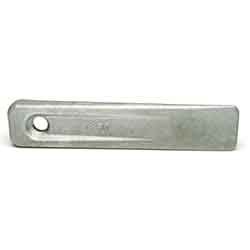
Set-Up Wedges - USA MADE
Steel wedges used to level, align, and support machinery and structures during setup and installation.
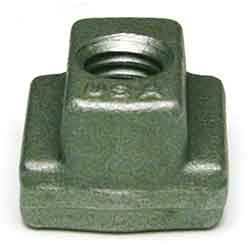
T-Slot Nuts - USA MADE
Nuts shaped to slide into a machine table or fixture T-slot, providing a threaded clamping point for workholding.
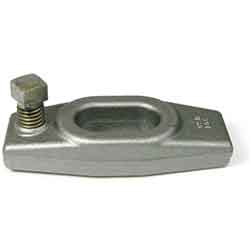
Clamps - USA MADE
Lifting clamps that grip plate, beam, or material to provide a secure attachment point for hoisting and moving loads.
How do I choose a lifting point?
Start with the direction of pull, because that eliminates most of the catalogue immediately. A plain pattern eye bolt is rated for vertical, in-line lifting only and can fail at angles as shallow as five degrees, so it is the wrong fitting the moment a sling goes off axis. A shoulder pattern eye bolt handles angular loading, but only if the shoulder seats completely flush and the capacity is derated, with 45 degrees the maximum and capacity dropping to roughly a quarter of the vertical rating there. A swivel hoist ring is the fitting that solves the problem properly: it swivels 360 degrees, pivots 180, and holds its full working load limit at any angle. If the pull direction varies or cannot be controlled, that is what you want.
Lifting and rigging points
- Eye bolts, in plain and shoulder pattern, with and without nut, for threaded or through-hole mounting
- Eye nuts, in Style A, B, and D, threading onto an existing stud or bolt
- Swivel hoist rings, holding full rated capacity at any angle of pull
- Pad eyes, welded permanently to a structure rather than threaded
Tensioning and connecting
- Turnbuckles, in eye, jaw, and stub end combinations plus bodies alone
- Rod ends, threaded shanks with a rigid eye for fixed connections
- D-rings and clips, tie-down anchor points for cargo securement
Workholding and setup
- T-slot nuts, dropping into machine table slots to take clamping studs
- Set-up wedges, tapered steel for levelling, aligning, and positioning work
- Clamps, for holding and securing during fabrication and setup
For lifting points on a load, most jobs start with shoulder pattern eye bolts or swivel hoist rings where the pull is angular. For tensioning cable and rod, see our turnbuckles. For coastal and marine service, our marine grade lifting hardware covers corrosion resistant options.
Related Categories
Lifting Hardware FAQs
What is the difference between a plain and shoulder pattern eye bolt?
The shoulder. A plain pattern eye bolt has none and is rated for vertical, in-line lifting only, failing at even slight angles. A shoulder pattern has a machined collar that seats flush against the mounting surface and takes angular load, provided it is seated completely and derated for the angle.
Can I use an eye bolt at an angle?
Only a shoulder pattern, only with the shoulder fully seated, and only with the capacity derated. 45 degrees is the maximum, and at that angle capacity drops to around 25 percent of the vertical rating. Never angle load a plain pattern eye bolt.
When should I use a hoist ring instead of an eye bolt?
Whenever the direction of pull is angular, variable, or cannot be controlled. A swivel hoist ring holds its full working load limit at any angle, which no eye bolt does. It costs more and is worth it wherever a sling will not stay vertical.
How much thread engagement does an eye bolt or eye nut need?
At least one bolt diameter into steel, and more in softer material. Seat the fitting squarely against a flat surface or hardened washer, and make sure the eye is oriented in the plane of the pull before loading.
Are D-rings rated for lifting?
No. D-rings and tie-down clips are cargo securement hardware, not lifting equipment, despite sitting in this category. Overhead lifting requires fittings rated and marked for that purpose with published working load limits.
Should lifting hardware be inspected?
Before every lift, and periodically as part of a documented programme. Look for deformation, elongation of the eye, thread damage, cracks, and wear at contact points. Any fitting showing damage should be removed from service rather than repaired.
Which material should I choose?
Carbon and alloy steel for general and heavy duty lifting, since they carry the highest ratings. Hot dipped galvanized for outdoor and industrial exposure. 316 stainless for marine, coastal, and washdown service, accepting a lower rating in exchange for corrosion resistance.