

Drill Bits

Drill Bits for Metal, Wood, Concrete & Masonry
What are drill bits?
Drill bits are cutting tools used to create holes in materials such as metal, wood, concrete, masonry and plastic. The correct drill bit depends on the material being drilled, hole size and depth, and the type of drill or rotary hammer being used. Albany County Fasteners carries individual drill bits and drill bit sets for metalworking, woodworking, construction, anchor installation, maintenance and industrial applications.
Drill Bits
-min.jpg?ts=1755909167 "Metal Drill Bits")
Metal Drill Bits
Drill bits for steel, stainless steel, aluminum and other metals, including jobber length and mechanic length styles for general-purpose and precision drilling.
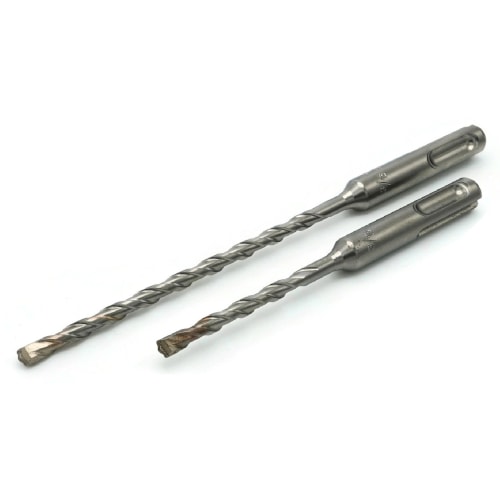
Concrete & Masonry Drill Bits
Carbide-tipped and hammer drill bits for concrete, block and brick, including straight-shank, SDS Plus and SDS Max styles for anchors and construction applications.
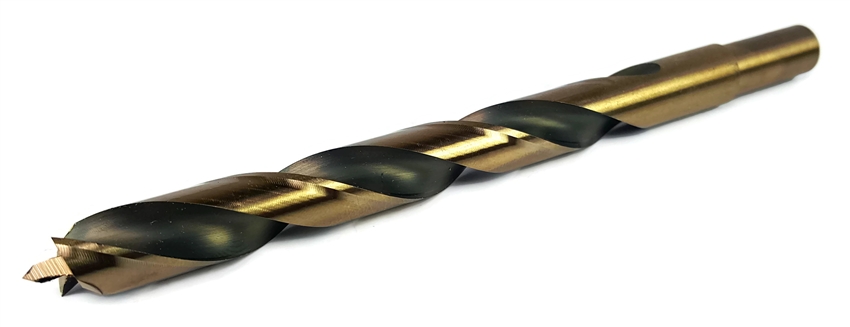
Wood Drill Bits
Brad point, spade and auger drill bits for clean holes, fast boring and deep drilling in lumber and other wood materials.

Drill Bit Sets
Multi-size drill bit assortments for metal, wood and general-purpose drilling, including fractional, number and letter size sets.
Videos
Play videoWhat Type of Drill Bit Do I Need?
Choosing the right drill bit starts with the material you are drilling. Metal, wood, concrete, masonry, and other materials require different bit geometries, cutting edges, shank styles, and drilling methods. Using the correct bit improves hole quality, drilling speed, tool life, and overall installation accuracy.
Albany County Fasteners carries drill bits for metal, wood, concrete, and masonry, along with multi-size drill bit sets for industrial, construction, maintenance, fabrication, and general-purpose applications.
Drill Bits for Metal
Metal drill bits are designed for drilling steel, stainless steel, aluminum, and other metals. High-speed steel and premium treated or coated drill bits provide the heat resistance, cutting performance, and wear resistance required for metalworking.
Two common metal drill bit lengths are jobber length and mechanic length.
Jobber Length Drill Bits
Jobber length drill bits are general-purpose twist drills with a standard length-to-diameter proportion. They are commonly used for fabrication, machinery, maintenance, production drilling, and everyday metalworking.
Mechanic Length Drill Bits
Mechanic length drill bits are shorter than comparable jobber length bits. The reduced length provides additional rigidity and can make them easier to use in confined spaces or applications where minimizing bit flex is important.
Concrete & Masonry Drill Bits
Concrete and masonry drill bits are designed for drilling materials such as concrete, brick, and block. Many use carbide cutting tips to withstand the impact and abrasion associated with masonry drilling.
The correct bit also depends on the drilling tool. Standard hammer drills may use compatible straight-shank masonry bits, while rotary hammers typically require SDS Plus or SDS Max drill bits.
For anchor and concrete screw installations, always match the drill bit diameter to the fastener manufacturer's required hole size.
Wood Drill Bits
Wood drill bits are designed to cut cleanly through lumber and other wood materials. Different bit styles are optimized for accuracy, speed, hole diameter, and drilling depth.
- Brad point drill bits: Provide accurate positioning and clean entry holes with reduced wandering.
- Spade drill bits: Produce larger-diameter holes quickly in wood and framing materials.
- Auger and ship auger drill bits: Designed for deeper boring and efficient chip removal.
Drill Bit Sets
Drill bit sets provide multiple sizes in one organized assortment. They are useful for machine shops, maintenance departments, contractors, technicians, and general-purpose drilling where a range of hole diameters may be required.
Sets may include fractional, number, letter, or specialty drill bit sizes depending on the product line and intended application.
How Do I Choose the Right Drill Bit?
- Identify the material: Determine whether you are drilling metal, wood, concrete, masonry, or another substrate.
- Select the bit family: Choose a drill bit designed specifically for that material.
- Match the shank to the tool: Standard drills commonly accept straight or reduced shanks, while rotary hammers require compatible SDS Plus or SDS Max shanks.
- Select the diameter: Choose the correct hole size for the fastener, anchor, tapped thread, or finished application.
- Choose the required drilling depth: Make sure the bit provides enough usable length for the hole being drilled.
- Use the correct drilling technique: Match speed, feed pressure, lubrication, and hammer action to the material and drill bit.
Drill Bit Selection Guide
| Material | Recommended Drill Bit | Common Applications |
|---|---|---|
| Steel & Aluminum | Metal Drill Bit | Fabrication, machinery, repair, general metalworking |
| Stainless Steel | Premium Metal Drill Bit | Industrial, marine, stainless fabrication |
| Wood | Brad Point, Spade, or Auger Bit | Furniture, framing, woodworking, deep boring |
| Concrete | Carbide-Tipped Masonry or SDS Bit | Concrete anchors, structural fastening, construction |
| Brick & Block | Masonry Drill Bit | Fixtures, anchors, masonry fastening |
What Drill Bit Sizes Are Available?
Drill bits are available in several sizing systems, including fractional inch, number, letter, and metric sizes.
- Fractional drill bits: Commonly used for general drilling and specified in inch fractions.
- Number drill bits: Provide closely spaced diameters identified by number designations.
- Letter drill bits: Use letter designations to provide additional intermediate diameters.
- Metric drill bits: Specified by diameter in millimeters.
Number and letter drill bit sizes are especially useful for precision work, tapped holes, and applications where the required diameter falls between common fractional sizes.
Drill Bit Shank Types
The drill bit shank must be compatible with the drilling tool.
- Straight shank: Commonly used with standard drill chucks.
- Reduced shank: Allows a larger-diameter drill bit to fit a smaller drill chuck where appropriate.
- 1/4" hex shank: Designed for compatible quick-change drill and driver systems.
- SDS Plus: Used with SDS Plus rotary hammers for common concrete and masonry drilling.
- SDS Max: Used with larger SDS Max rotary hammers for heavier-duty concrete drilling.
Tips for Drilling Metal, Wood, and Concrete
Drilling Metal
- Use a center punch where appropriate to help prevent the bit from wandering.
- Secure the workpiece before drilling.
- Use appropriate drilling speed and feed pressure for the metal and bit size.
- Cutting fluid or oil may help control heat and extend drill bit life in many metalworking applications.
- Clear chips during deep drilling to reduce heat buildup and improve cutting performance.
Drilling Wood
- Choose the bit style based on hole diameter, finish quality, and depth.
- Brad point bits are useful when accurate starting location and clean entry are important.
- Spade bits provide fast material removal for larger holes.
- Auger bits are well suited to deep drilling and efficient chip evacuation.
Drilling Concrete and Masonry
- Use a drill bit specifically designed for concrete or masonry.
- Use hammer mode only when the drill bit and tool are designed for impact drilling.
- Match SDS Plus or SDS Max bits to the corresponding rotary hammer system.
- Remove drilling dust where required for anchor installation and accurate hole depth.
- Follow the anchor or fastener manufacturer's required drill bit size and installation instructions.
Frequently Asked Questions About Drill Bits
What is the difference between drill bits for metal and wood?
Metal drill bits use cutting geometries designed to remove material from metals such as steel and aluminum. Wood drill bits may use brad points, paddle-style cutting edges, or auger designs to center the hole and remove wood fibers efficiently.
Can I use a metal drill bit on wood?
Many general-purpose metal drill bits can drill holes in wood, but a purpose-designed wood drill bit may provide cleaner entry, better centering, or faster material removal depending on the application.
What drill bit should I use for steel?
Use a drill bit designed for metal. The appropriate bit material, coating, geometry, speed, and lubrication depend on the steel grade, hole diameter, and drilling conditions.
What drill bit should I use for stainless steel?
Use a premium metal drill bit designed for harder metals and stainless steel. Reduced drilling speed, steady feed pressure, and suitable cutting fluid can help manage heat and extend bit life.
What drill bit should I use for concrete?
Use a carbide-tipped concrete or masonry drill bit designed for the drilling tool. Standard hammer drills may use compatible masonry bits, while rotary hammers require the correct SDS Plus or SDS Max bit.
What is the difference between SDS Plus and SDS Max drill bits?
SDS Plus drill bits are generally used with smaller rotary hammers for common anchor holes and general concrete drilling. SDS Max drill bits are designed for larger rotary hammers and heavier-duty drilling applications.
What are jobber length drill bits?
Jobber length drill bits are standard-length general-purpose twist drills commonly used for metalworking, fabrication, machinery, maintenance, and production drilling.
What are mechanic length drill bits?
Mechanic length drill bits are shorter than comparable jobber length bits. Their shorter overall length can provide increased rigidity and easier access in confined drilling locations.
What is the difference between jobber length and mechanic length drill bits?
Jobber length drill bits provide a versatile standard length for general drilling. Mechanic length drill bits are shorter and more rigid, making them useful where clearance is limited or reduced flex is preferred.
What are brad point drill bits used for?
Brad point drill bits are designed for accurate drilling in wood. The center point helps position the bit and reduce wandering, while the cutting edges help produce a clean hole.
What are spade drill bits used for?
Spade drill bits are commonly used to create larger-diameter holes quickly in wood, framing lumber, and other compatible wood materials.
What are auger drill bits used for?
Auger drill bits are designed for deeper holes in wood and typically use a spiral flute to help remove chips as the bit advances.
What does fractional, number, and letter drill bit sizing mean?
Fractional drill bits are sized in inch fractions. Number and letter drill bits provide additional intermediate diameters that are useful for precision drilling, clearance holes, and tap-drill applications.
How do I know what size drill bit I need for an anchor?
Use the drill bit diameter specified by the anchor manufacturer. Concrete screws, wedge anchors, sleeve anchors, and other fastening systems may require different hole diameters and drilling depths.
When should I replace a drill bit?
Replace or resharpen a drill bit when it becomes dull, chipped, damaged, bent, excessively worn, or no longer produces an accurate hole. Excessive heat, discoloration, slow cutting, and poor hole quality can indicate that the bit needs attention.