








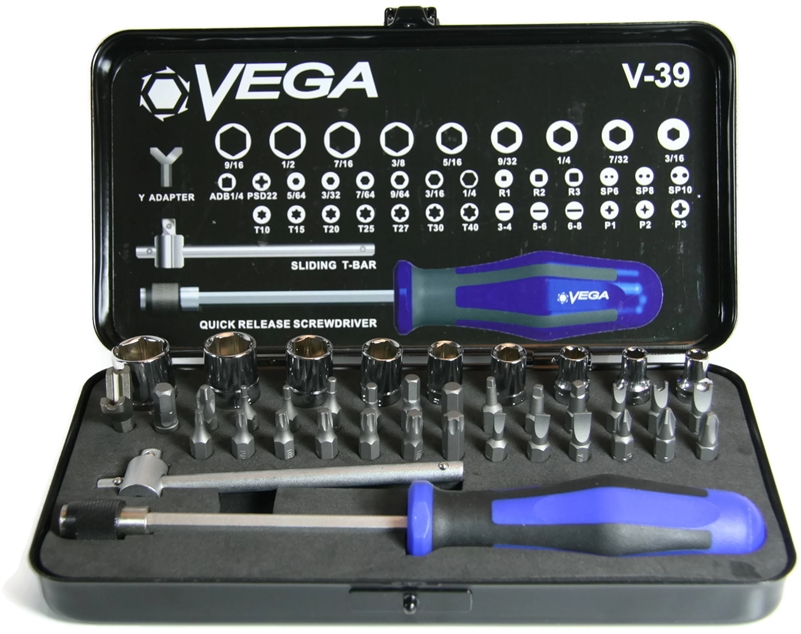

Why Choose Tamper-Proof Drivers & Bits?
Tamper-proof drivers and bits are needed when a security fastener has a specialty drive style that standard tools cannot properly engage. Matching the correct bit, screwdriver, socket, or driver to the fastener helps install the hardware correctly and makes future service or removal possible.
This category includes star pin, Torx pin, spanner, hex pin-in, and tri-groove driver options. Available tool types include insert bits, power bits, round blade screwdrivers, T-handle screwdrivers, L keys, socket drivers, socket handles, security driver bit sets, and tamper-proof socket sets.
Common Uses for Tamper-Proof Drivers and Bits
Tamper-proof drivers and bits are commonly used for signs, license plates, public-facing fixtures, access panels, restroom hardware, equipment covers, security plates, enclosures, display hardware, and anti-theft mounting applications.
They are especially useful for maintenance teams, installers, facilities departments, sign shops, service trucks, and anyone working with tamper-resistant screws or nuts. Choose the tool based on the exact drive style, drive size, fastener type, installation method, and access space.
Star Pin and Torx Pin Tamper-Proof Drivers
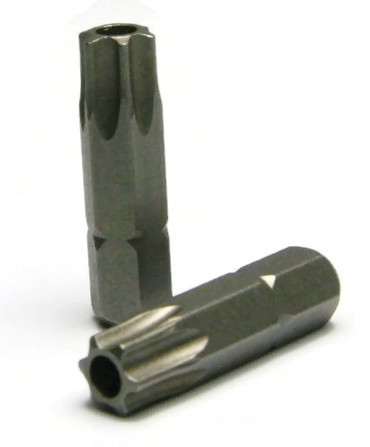
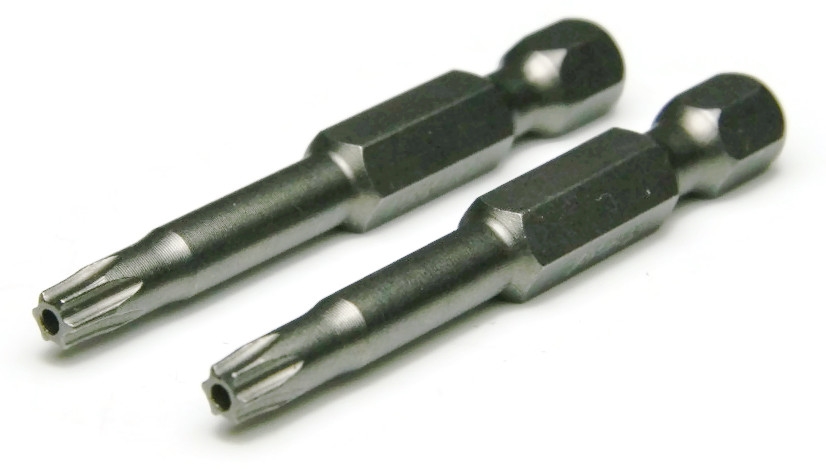
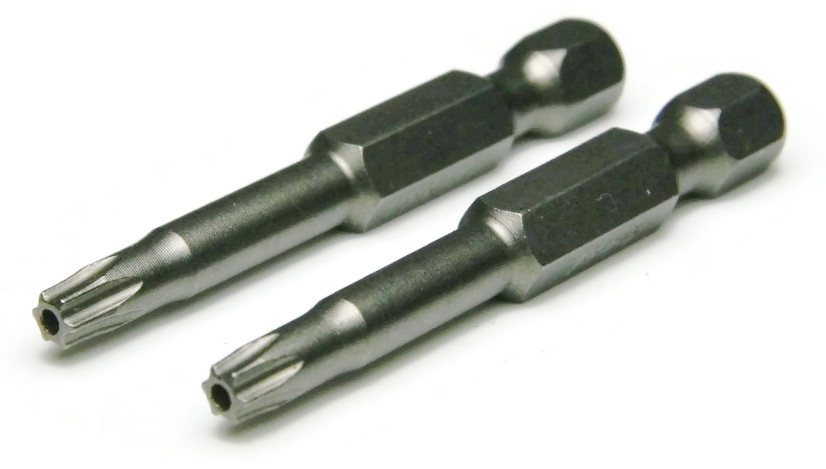
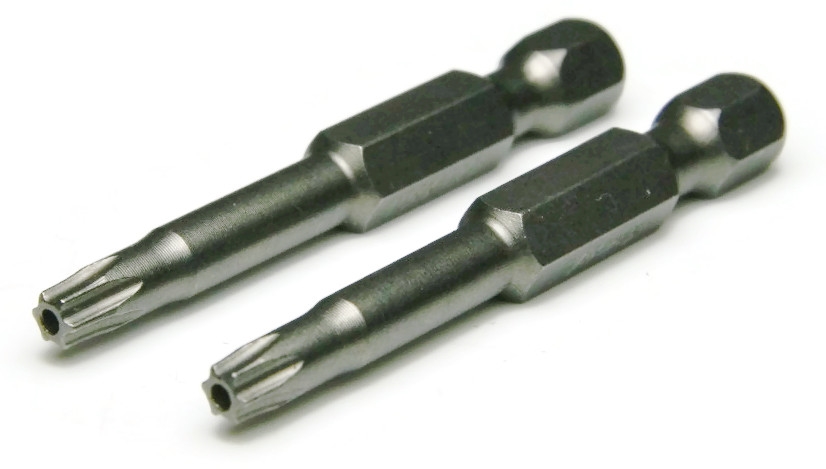
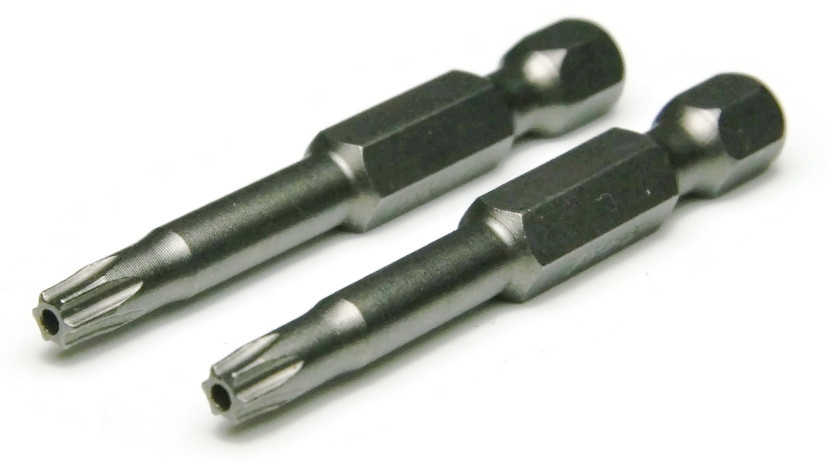
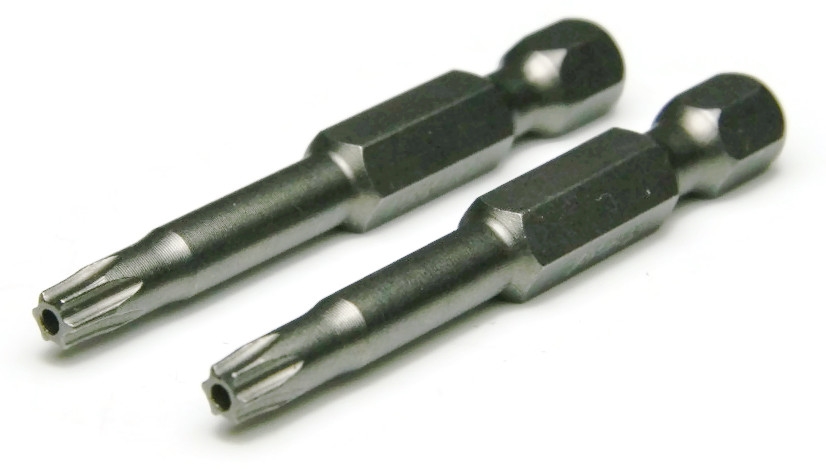
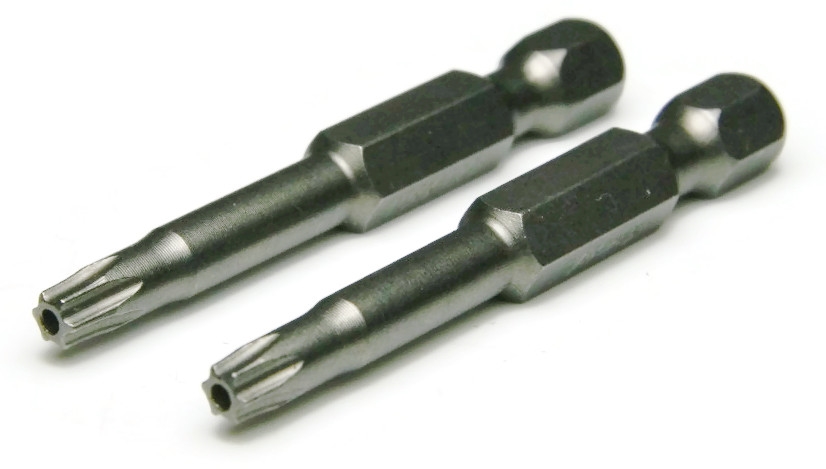
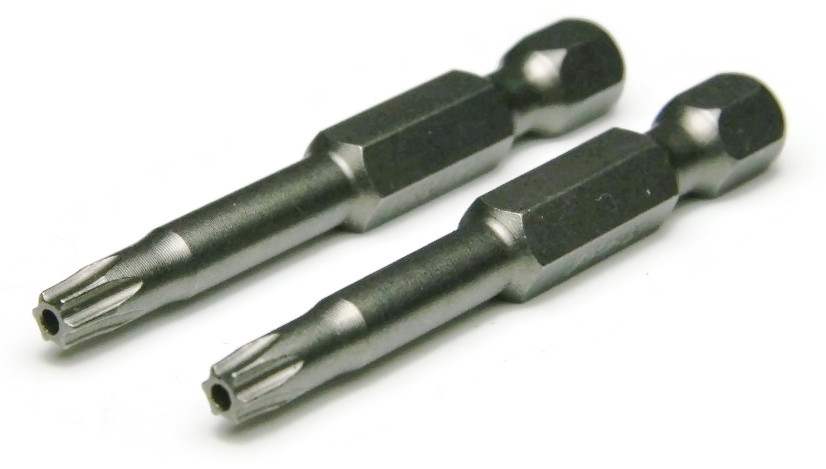
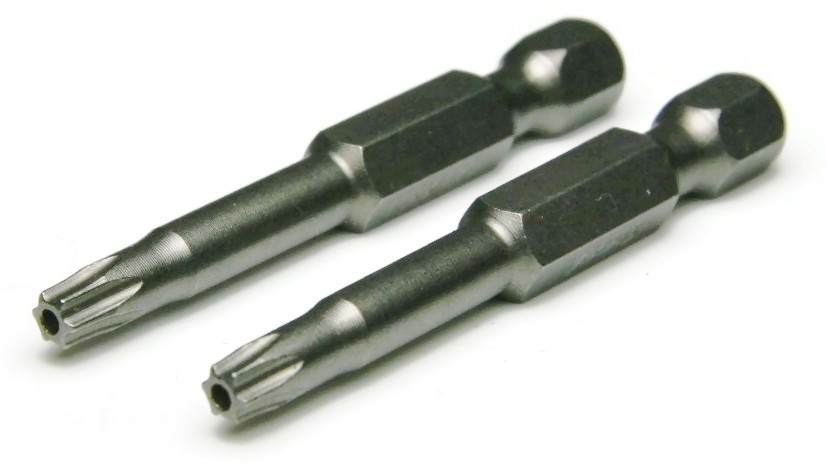
Star pin and Torx pin tamper-proof drivers are used with security screws that have a star-shaped recess and a center pin. The driver or bit must have the matching hollow center to fit over the pin and engage the screw properly.
Choose the correct Torx pin or star pin drive size before ordering. This category includes tamper proof star drive options in sizes such as T-6, T-7, T-8, T-9, T-10, T-15, T-20, T-25, T-27, T-30, T-40, T-45, T-50, and T-55.
Spanner and Snake Eye Driver Bits
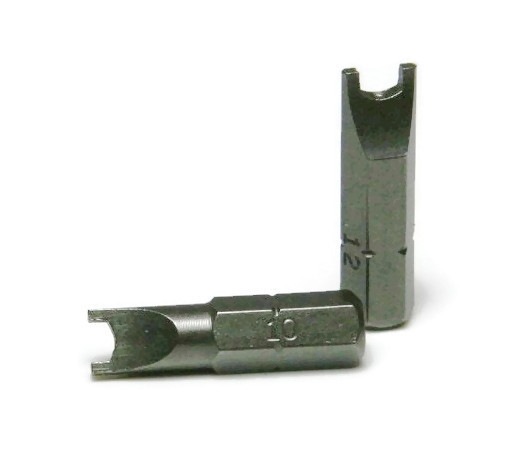
Spanner driver bits, also called snake eye bits, are used with security screws that have two opposing holes or slots in the drive recess. The bit tips fit into those points so the screw can be installed or removed with the matching tool.
Spanner drivers are commonly used for public-facing fixtures, signs, restroom hardware, access covers, and other security applications where a standard Phillips, slotted, or hex drive is not desired.
Hex Pin-In Socket Drive Insert Bits
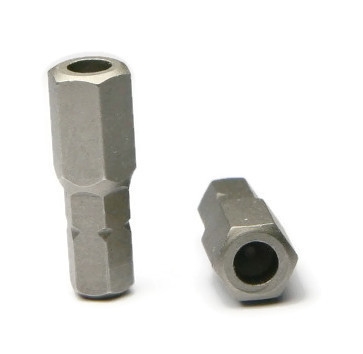
Hex pin-in socket drive insert bits are used with tamper-proof socket screws that have a hex socket drive with a center pin. The matching insert bit has a recess that clears the pin while engaging the hex drive.
Choose the bit size that matches the screw drive. Using the wrong size can slip, damage the fastener recess, or make removal more difficult later.
Tri-Groove Socket Drivers and Socket Handles
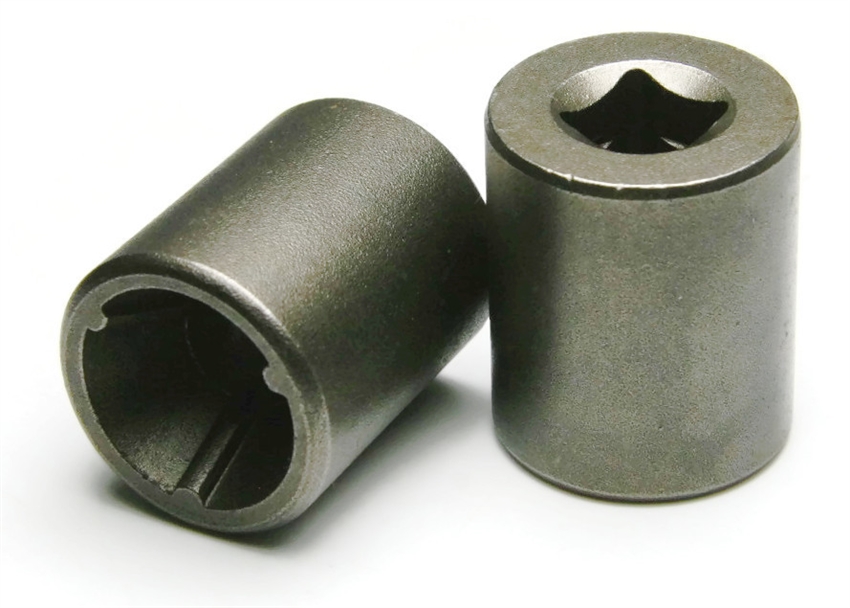
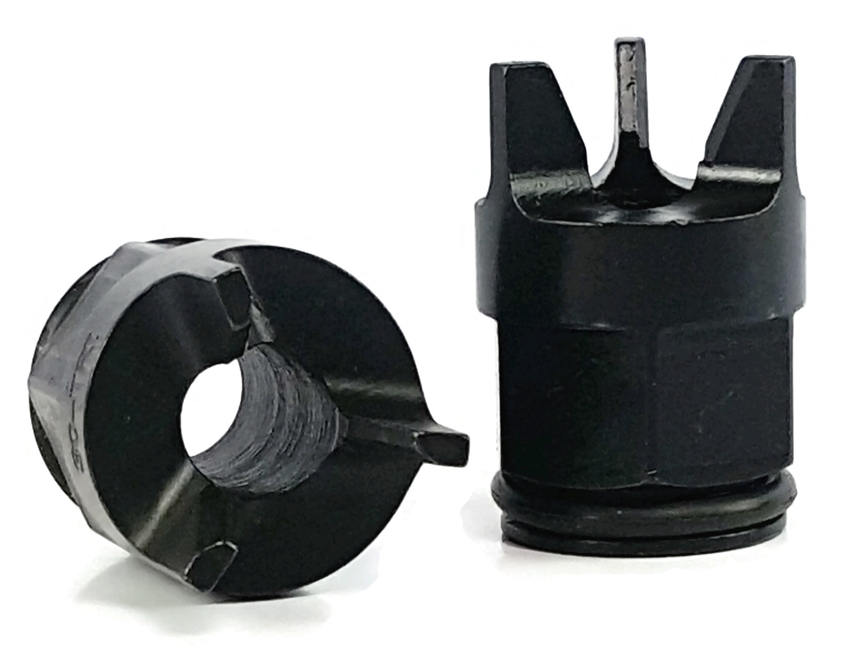
Tri-groove socket drivers are used with compatible tri-groove tamper-proof nuts and security hardware. The socket engages the specialty nut pattern so the hardware can be installed or removed with the correct tool.
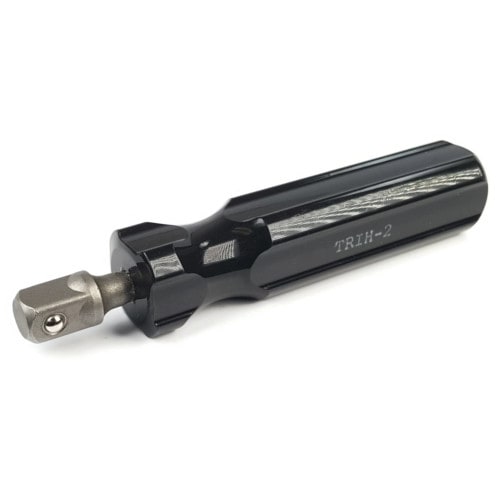
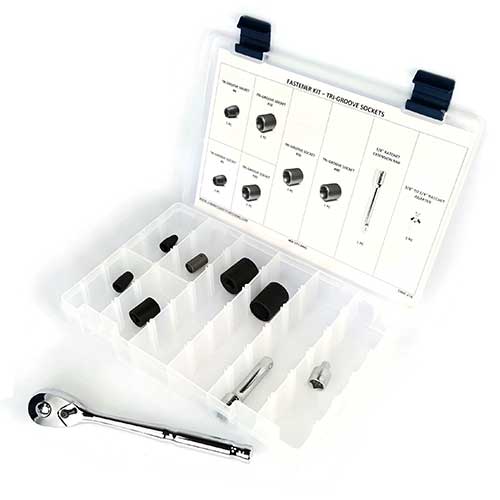
This category includes tri-groove socket drivers, socket handles, trident socket inserts, and tri-groove socket set kits. Choose the socket size and handle style based on the nut size, access space, and installation requirements.
Tamper-Proof Insert Bits vs Power Bits
Tamper-proof insert bits are short driver bits commonly used with compatible hand drivers, magnetic bit holders, or bit sets. They are useful for service kits, toolboxes, and jobs where compact bits are preferred.
Tamper-proof power bits are longer bits designed for use with compatible powered drivers or bit holders. Choose power bits when the job needs extra reach or when a powered driver is appropriate for the installation.
Tamper-Proof Screwdrivers, L Keys and T-Handle Drivers
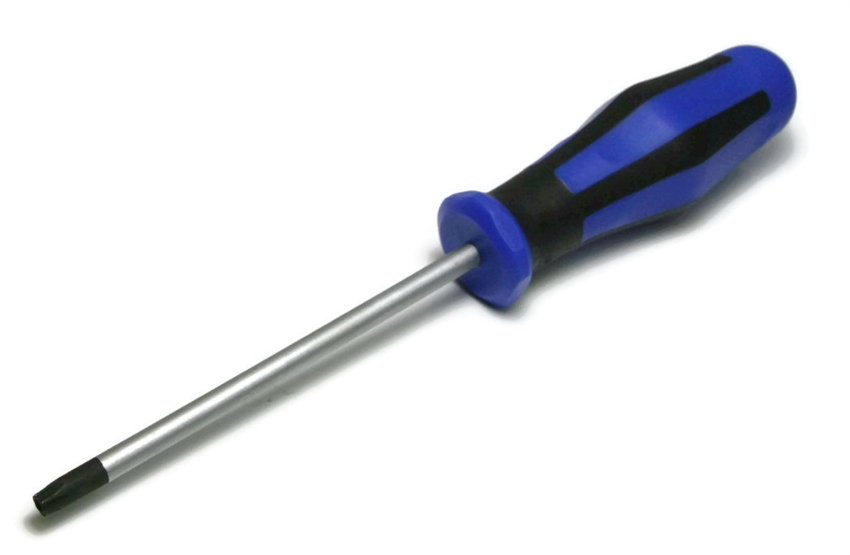
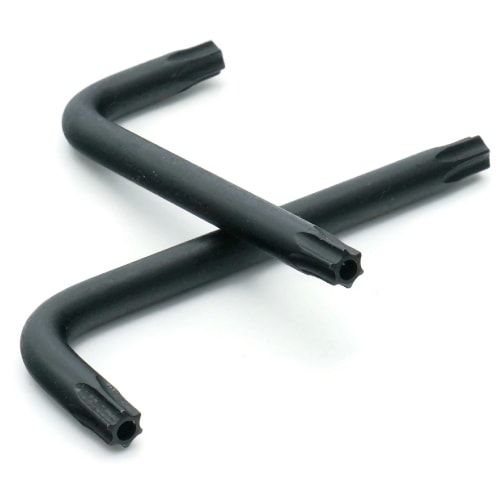
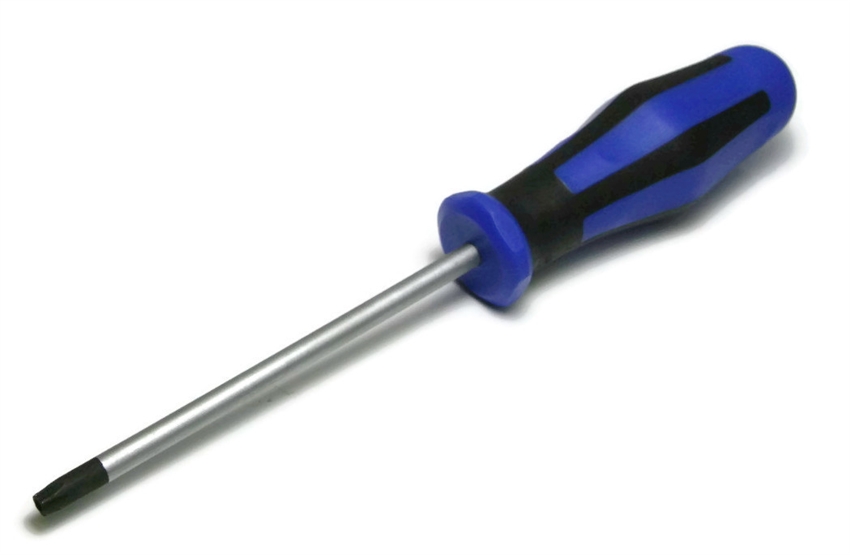
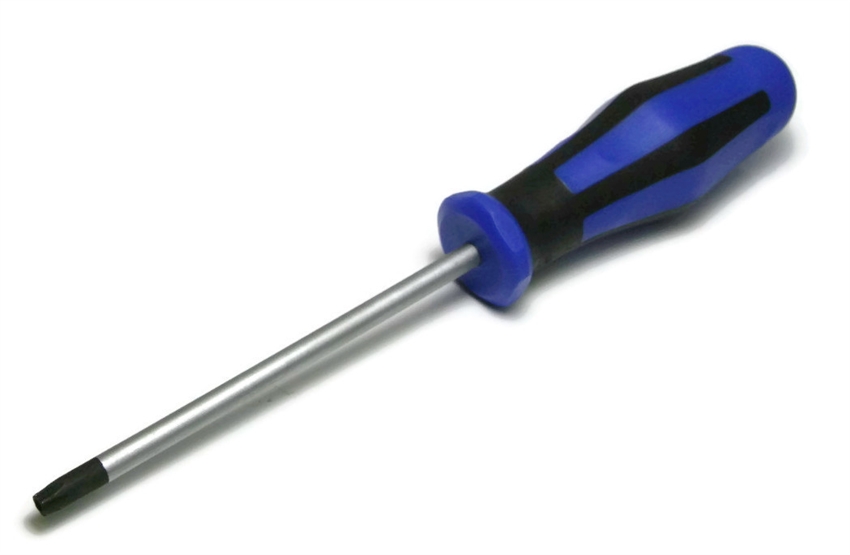
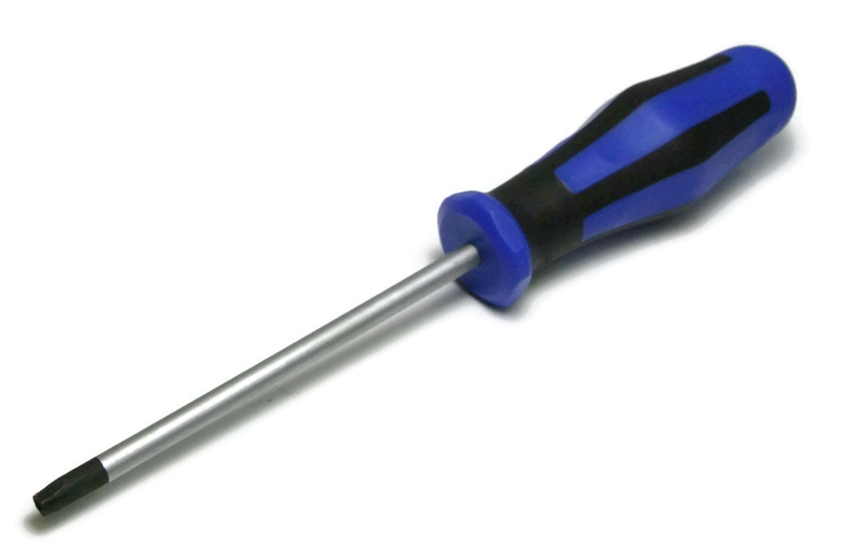
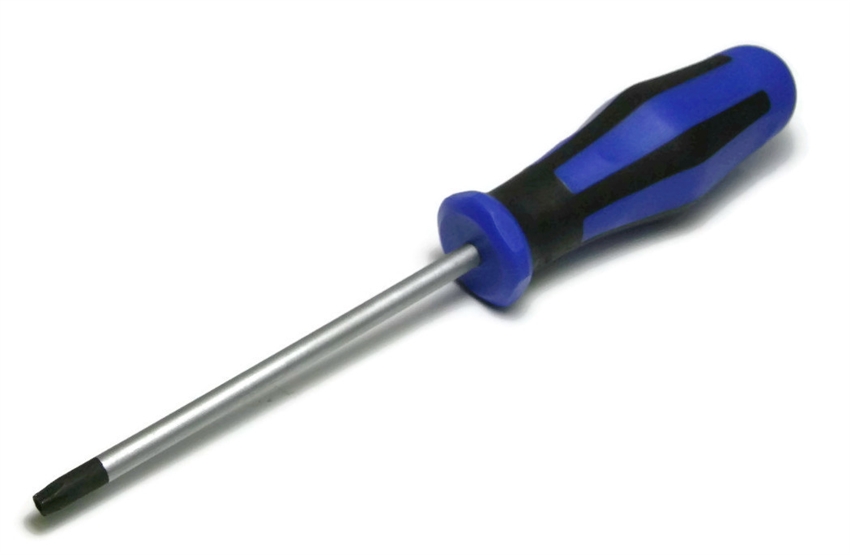
Tamper-proof screwdrivers are dedicated hand tools for specific security drive sizes. L keys provide a compact option for compatible Torx pin fasteners, while T-handle drivers provide more grip and control for some installation or removal jobs.
Choose the tool style based on access space, torque needs, fastener size, and how often the tool will be used. For maintenance teams that service multiple fastener types, a security bit set may be more practical than individual drivers.
Security Driver Bit Sets
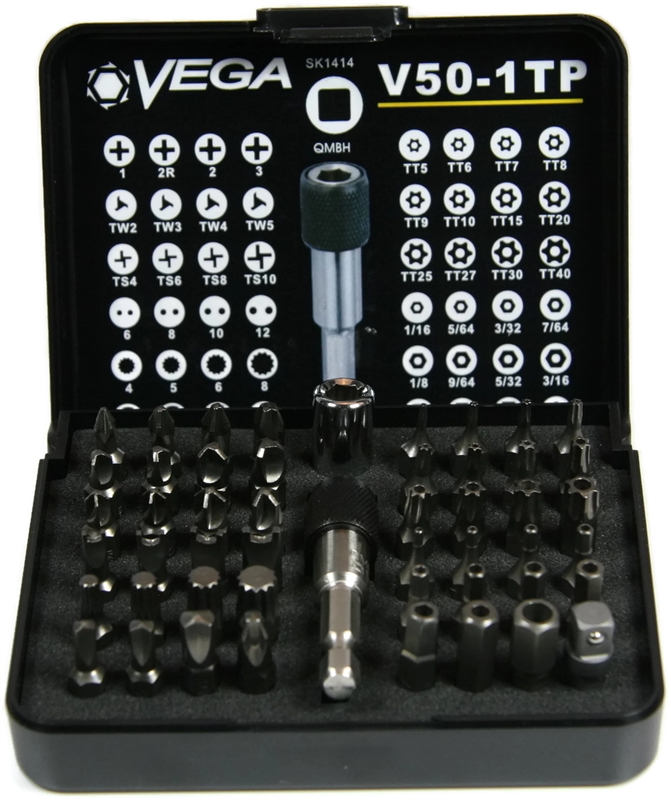
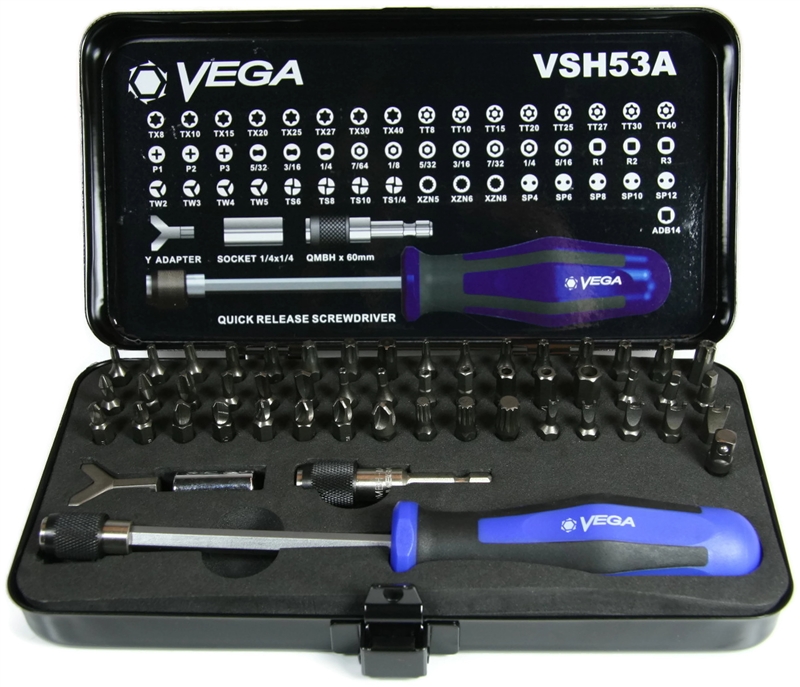
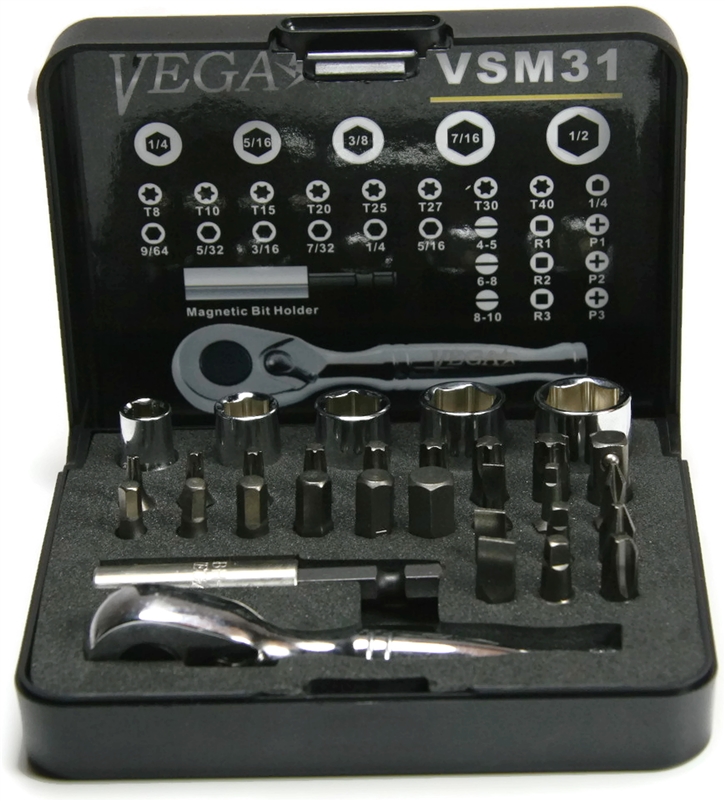
Security driver bit sets are useful when a shop, installer, or maintenance team works with more than one tamper-proof drive style. Sets may include standard bits, security bits, sockets, ratchets, hand drivers, or specialty tools depending on the assortment.
Choose a bit set when the exact fastener style varies across jobs or when you want several common security drive styles organized in one case. Individual bits or drivers are better when you already know the exact drive style and size needed.
Tamper-Proof Drivers vs Tamper-Proof Fasteners
Tamper-proof drivers and bits are the tools used to install or remove security fasteners. Tamper-proof fasteners are the screws, nuts, bolts, or mounting hardware installed in the application.
Some tamper-proof kits include the matching driver or socket, while others do not. Before ordering security fasteners, confirm whether the required bit, socket, key, or driver is included or needs to be purchased separately.
Tamper-Proof Drivers vs Standard Driver Bits
Standard driver bits are used with common fasteners such as Phillips, slotted, hex, square, or standard Torx screws. Tamper-proof drivers are used with specialty security fasteners that include features such as center pins, two-hole spanner drives, or tri-groove nut patterns.
A standard bit usually will not fit a tamper-proof fastener correctly. Match the tool to the security drive style to avoid damaging the fastener or leaving the installation incomplete.
How to Choose the Right Tamper-Proof Driver or Bit
Choose the tamper-proof driver or bit based on the fastener drive style, drive size, tool type, access space, torque needs, installation method, and whether the hardware may need future removal.
If the fastener has a star-shaped recess with a center pin, choose a star pin or Torx pin driver in the correct T-size. If the fastener has a two-hole drive, choose a spanner bit. If the fastener is a tri-groove nut, choose the matching tri-groove socket driver or socket set.
Related Tamper-Proof Categories
Browse related tamper-proof categories to compare tamper-proof drivers and bits, tamper-proof kits, machine screws, drilling and tapping screws, socket set screws, tamper-proof nuts, and stainless steel tamper-proof fasteners.
- Tamper-Proof
- Tamper-Proof Drivers & Bits
- Tamper-Proof Kits
- Tamper-Proof Machine Screws
- Tamper-Proof Drilling & Tapping Screws
- Tamper-Proof Socket Set Screws
- Tamper-Proof Nuts
- Stainless Steel Tamper Proof Fasteners
- Tamper Proof Kits in Fastener Kits
Tamper-Proof Driver and Bit FAQs
What are tamper-proof drivers and bits?
Tamper-proof drivers and bits are specialty tools used to install or remove compatible security screws, tamper-resistant nuts, and anti-theft fasteners.
When do I need a tamper-proof driver or bit?
You need a tamper-proof driver or bit when the fastener has a security drive style, such as star pin, Torx pin, spanner, hex pin-in, or tri-groove, that standard tools cannot properly engage.
What is a star pin or Torx pin driver used for?
Star pin and Torx pin drivers are used with security screws that have a star-shaped recess and center pin. The matching driver has a hollow center to fit over the pin.
What is a spanner bit used for?
A spanner bit, also called a snake eye bit, is used with security screws that have two opposing holes or slots in the drive recess.
What are tri-groove socket drivers used for?
Tri-groove socket drivers are used with compatible tri-groove tamper-proof nuts and security hardware.
Are tamper-proof insert bits and power bits the same?
No. Insert bits are shorter bits commonly used with hand drivers, magnetic holders, or bit sets. Power bits are longer bits used with compatible powered drivers or bit holders.
Do tamper-proof fasteners include the driver?
Some tamper-proof kits include the matching driver, bit, or socket, while individual fasteners often do not. Check the product listing before ordering.
How do I choose the right tamper-proof driver or bit?
Choose the driver or bit based on the fastener drive style, drive size, tool type, access space, torque needs, installation method, and whether the hardware may need future removal.