

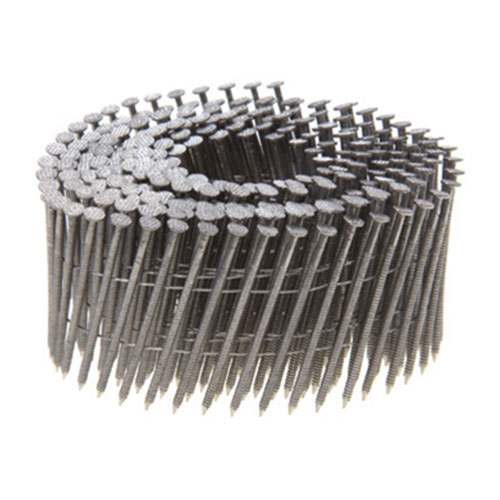

Why Choose Marine Grade Nails?
Marine grade nails are used in exterior and moisture-prone applications where standard steel nails may not be the best fit. They are commonly selected for coastal projects, docks, exterior trim, roofing, siding, wood construction, repairs and other applications exposed to weather or damp conditions.
For marine and coastal environments, the nail material should be matched to the exposure level and the materials being fastened. Stainless steel and copper nails are commonly considered for outdoor work because they offer better corrosion resistance than many plain steel options. Always confirm the listed material, nail style and application fit before ordering.
Choosing the Right Marine Grade Nail
The right nail depends on the project material, exposure level, holding requirements and installation method. Nail length, shank style, head style and material all affect how the nail performs in the application. For coastal, dock or wet environments, material selection is especially important.
Stainless Steel Nails
Stainless steel nails are often used for exterior woodwork, trim, siding, docks, decks and coastal construction. For harsher salt air or marine exposure, compare 316 stainless steel options when available. 304 or 18-8 stainless may be suitable for many outdoor uses, but the best choice depends on the environment and project requirements.
Copper Nails
Copper nails are commonly used in roofing, slate, copper flashing, wood projects and applications where copper material compatibility or appearance is important. They are often chosen for corrosion resistance and for use with compatible roofing and exterior materials.
Roofing and Exterior Nails
Roofing nails and exterior nails should be selected based on the roofing material, sheathing, exposure level and installation requirements. For wet or coastal applications, compare nail material carefully and follow the roofing or building material manufacturer’s recommendations when available.
Marine Grade Nail Installation Considerations
Before installing marine grade nails, confirm the nail length, diameter, shank style, head style and material. Nails should be long enough for proper holding in the base material without damaging the assembly. For exterior work, check whether the nail is compatible with the wood, roofing material, flashing, siding or trim being installed.
In coastal or wet environments, avoid mixing incompatible metals without checking for material compatibility. Contact between dissimilar metals can contribute to corrosion concerns, especially when moisture or salt exposure is present. For demanding applications, confirm the full assembly including nails, fasteners, brackets, flashing and surrounding hardware.
Related Marine Grade and Nail Categories
Browse related marine grade, nail and roofing categories to compare material, application and fastener style options.
- Marine Grade Fasteners
- Nails and Staples
- Nails
- Copper Nails
- Roofing Screws and Nails
- Roofing Nails
- Marine Grade Fasteners
- Stainless Steel Fasteners
Marine Grade Nails FAQs
What are marine grade nails used for?
Marine grade nails are used for outdoor, coastal, dock, roofing, trim, siding and moisture-prone applications where corrosion resistance is an important part of the fastener choice.
Are marine grade nails always stainless steel?
Not always. Marine grade nails may include stainless steel, copper or other corrosion-resistant materials depending on the category and product listing. Confirm the material on the product page before purchasing.
Are stainless steel nails good for coastal projects?
Stainless steel nails are commonly selected for coastal and outdoor projects. For harsher salt air or marine exposure, compare 316 stainless steel options when available.
When should I use copper nails?
Copper nails are commonly used with compatible roofing, flashing, slate and exterior materials. They may also be selected when copper material compatibility or appearance is important.
What should I check before buying marine grade nails?
Check the nail material, length, diameter, shank style, head style, package quantity and whether the nail is suitable for the project material and exposure level.