

Standing Seam / Pancake Head Roofing Screws
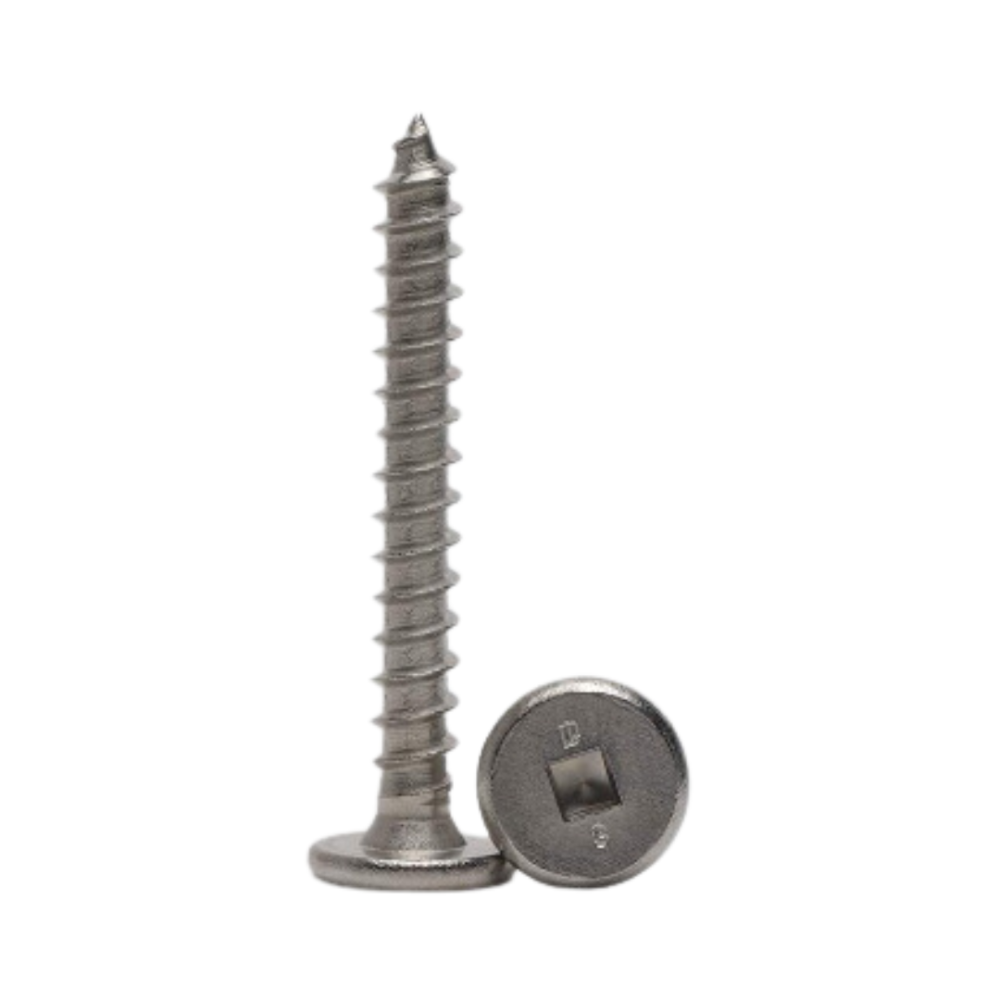
What are Standing Seam / Pancake Head Roofing Screws? Standing seam and pancake head roofing screws are low-profile roofing fasteners used for metal roofing clips, trim, panel fastening, and other applications where a flatter screw head is preferred. They are commonly used when the fastener needs to sit lower than a standard hex washer head roofing screw while securing compatible roofing components into the proper substrate.
Standing Seam / Pancake Head
Pancake head screws
Roofing screws with a very thin, wide flat head that sits nearly flush for clip and panel attachment.
Why Choose Standing Seam / Pancake Head Roofing Screws?
Standing seam and pancake head roofing screws are useful when a low-profile fastener head is needed for roofing or sheet metal applications. The flatter head design helps reduce interference in areas where a taller hex washer head screw may not be appropriate.
This category includes pancake head roofing screw options in zinc plated steel and stainless steel. These screws are commonly used for compatible metal roofing clips, trim, flashing, light-gauge panel work, and other roofing applications where head height, drive style, material, and substrate fit matter.
Common Uses for Pancake Head Roofing Screws
Pancake head roofing screws are commonly used for standing seam roofing clips, concealed-fastener roofing systems, trim fastening, flashing, light-gauge sheet metal, panel accessories, and other roofing components that require a lower-profile screw head.
They are often selected when the screw head needs to sit flatter against the material than a standard roofing screw head. This can be helpful in applications where another panel, clip, or trim piece needs to fit over or near the fastener.
Pancake Head Screws for Standing Seam Roofing
Standing seam roofing systems often use clips or concealed attachment points instead of exposed fasteners through the face of the panel. Pancake head screws may be used with compatible clips or components where a low-profile head helps the roofing system sit properly.
Always match the screw to the roofing system, clip design, panel manufacturer instructions, substrate, and installation requirements. The correct fastener should provide secure holding power without interfering with the clip, panel movement, or finished roofing assembly.
Pancake Head vs Hex Washer Head Roofing Screws
Pancake head roofing screws have a flatter, lower-profile head than standard hex washer head roofing screws. They are often used where head height needs to be minimized or where the screw will be covered by another roofing component.
Hex washer head roofing screws are commonly used for exposed-fastener metal roofing panels and often include bonded sealing washers. Pancake head screws are usually chosen for different roofing details, clips, trim, or concealed-style fastening where a washered hex head may be too tall or not the right fit.
Zinc Plated Steel vs Stainless Steel Pancake Head Screws
Zinc plated steel pancake head screws are a practical option for compatible roofing and sheet metal applications where zinc plated steel is suitable for the project environment. They are often chosen when cost, availability, and general fastening needs are important.
Stainless steel pancake head screws may be preferred where stainless material is needed for corrosion resistance, material compatibility, or job specifications. Choose the material based on the environment, substrate, panel material, and project requirements.
Sharp Point Pancake Head Roofing Screws
Sharp point pancake head roofing screws are used when the screw needs to start cleanly into compatible materials. The sharp point can help with fastening into appropriate substrates, depending on the panel, clip, backing material, and application.
Confirm whether the screw point is suitable for the material being fastened into before installation. If the application involves heavier steel or a metal-to-metal drilling requirement, compare the correct self-drilling roofing screw style instead.
Low-Profile Roofing Screw Applications
Low-profile roofing screws are selected when the screw head needs to stay flatter against the surface. This can matter around clips, seams, trim, flashing, underlayment details, and other roofing components where clearance is limited.
A low-profile head does not replace the need to match the screw to the substrate. Choose the screw based on the material being fastened, substrate, panel or clip requirements, screw length, diameter, point style, drive style, material, and coating.
How to Choose the Right Standing Seam / Pancake Head Roofing Screw
Choose the screw based on the roofing system, clip or trim component, substrate, screw diameter, length, point style, drive style, material, coating, and required head profile. For standing seam applications, confirm the panel or clip manufacturer’s fastener requirements before ordering.
After confirming the application, choose zinc plated steel or stainless steel based on the project environment and material compatibility. If the screw will be used in an exposed waterproofing location, make sure the selected fastener and installation method are appropriate for that exposure.
Related Roofing Screw Categories
Browse related roofing screw categories to compare pancake head screws, metal-to-wood roofing screws, metal-to-metal roofing screws, gutter screws, specialty panel screws, washer styles, materials, coatings, and color options.
- Roofing Screws
- Standing Seam / Pancake Head Roofing Screws
- Pancake Head Screws
- Metal to Wood Roofing Screws
- Metal to Metal Roofing Screws
- Gutter & Aluminum Roofing Screws
- PVC, Polycarbonate & Fiberglass to Wood Screws
Standing Seam / Pancake Head Roofing Screw FAQs
What are standing seam / pancake head roofing screws?
Standing seam and pancake head roofing screws are low-profile roofing fasteners used for clips, trim, flashing, panel accessories, and other roofing applications where a flatter screw head is preferred.
When should I use pancake head roofing screws?
Use pancake head roofing screws when the application needs a lower-profile screw head, such as standing seam clips, concealed-style fastening, trim, flashing, or roofing details where a taller hex washer head screw may interfere.
What is the difference between pancake head and hex washer head roofing screws?
Pancake head screws have a flatter head profile. Hex washer head roofing screws are taller and are commonly used for exposed-fastener metal roofing panels, often with bonded sealing washers.
Are pancake head screws used for standing seam roofing?
Pancake head screws may be used with compatible standing seam clips or concealed roofing components. Always follow the roofing panel or clip manufacturer’s fastener requirements.
What is the difference between zinc plated and stainless steel pancake head screws?
Zinc plated pancake head screws have a zinc plated steel finish, while stainless steel pancake head screws use stainless material. Choose based on the environment, substrate, panel material, and project requirements.
Do pancake head roofing screws have sealing washers?
Pancake head roofing screws are generally selected for low-profile fastening rather than exposed washered panel fastening. If a sealing washer is required for the application, compare washered roofing screw options or follow the system manufacturer’s fastener instructions.
Can pancake head screws be used for metal roofing panels?
They may be used for compatible roofing clips, trim, flashing, and low-profile fastening details. For exposed metal roofing panel fastening into wood or steel, choose the appropriate metal-to-wood or metal-to-metal roofing screw instead.