


Why Choose Hollow Wall Toggle Anchors?
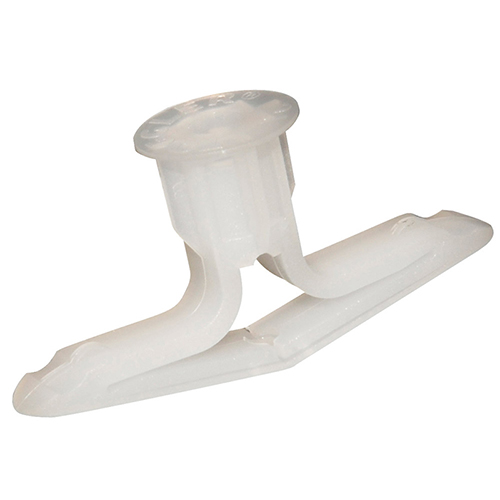
Hollow wall toggle anchors are useful when a wall-mounted item needs support behind the drywall or plaster surface and the fastening point does not line up with a stud. The anchor is installed through the wall and helps create a wider bearing area behind the surface.
This category includes plastic hollow wall toggle anchors for drywall, plaster, and compatible hollow wall applications. These anchors are commonly selected for indoor wall mounting where the project needs behind-the-wall support with a plastic toggle-style anchor.
Common Uses for Hollow Wall Toggle Anchors
Hollow wall toggle anchors are commonly used for installing shelves, brackets, small wall-mounted fixtures, signs, panels, decorative hardware, towel bars, curtain rod supports, cable management hardware, and other components into drywall or plaster.
They are often selected for hollow wall applications where the mounted item needs more support than a basic plastic plug anchor or screw alone. Match the anchor size, screw size, wall thickness, fixture thickness, and load rating to the item being installed before mounting.
How Hollow Wall Toggle Anchors Work
Hollow wall toggle anchors are installed through a pre-drilled hole in the wall. The anchor portion is positioned so it can grip or support behind the wall surface, helping spread the load across a wider area than the screw alone.
Once the anchor is seated, the matching screw or threaded fastener is installed to secure the mounted item. Proper installation matters because the hole size, wall thickness, anchor position, screw length, and fixture thickness all affect how the anchor supports the load.
Plastic Hollow Wall Toggle Anchors
Plastic hollow wall toggle anchors are commonly used for dry indoor drywall and plaster fastening applications where a non-metal anchor body is suitable. They can be a practical choice for household, office, maintenance, and commercial wall-mounting jobs.
Choose plastic hollow wall toggle anchors when the wall material, mounted item, and load requirement are appropriate for the anchor rating. For heavier or frequently handled items, compare toggle bolts, Kaptoggle anchors, hollow wall anchors, or fastening directly into a wall stud.
Hollow Wall Toggle Anchors vs Standard Toggle Bolts
Hollow wall toggle anchors and standard toggle bolts both provide support behind the wall surface. Standard toggle bolts use spring-loaded metal wings and a machine screw, while hollow wall toggle anchors may use a plastic anchor body depending on the product style.
Choose hollow wall toggle anchors when a plastic toggle-style wall anchor fits the project requirements. Choose standard toggle bolts when a metal wing-style toggle bolt is preferred for the wall material, fixture, and load requirement.
Hollow Wall Toggle Anchors vs Kaptoggle Anchors
Hollow wall toggle anchors and Kaptoggle anchors are both used for drywall, plaster, and compatible hollow wall fastening. Kaptoggle anchors are often selected when a retained toggle-style anchor is preferred and the bolt may need to be installed or removed without losing the toggle behind the wall.
Choose between these anchor styles based on the wall thickness, fixture thickness, fastener size, load rating, installation method, and whether the mounted item may need to be removed later.
Hollow Wall Toggle Anchors vs Self Drilling Drywall Anchors
Hollow wall toggle anchors provide support behind the wall surface, which can be helpful when a wider bearing area is needed inside the wall cavity. They are often selected when the application needs more support than a threaded self drilling drywall anchor.
Self drilling drywall anchors thread directly into drywall from the front of the wall. They are commonly used for lighter wall-mounted items and quick installations. Choose hollow wall toggle anchors when behind-the-wall support is preferred, and choose self drilling drywall anchors when the mounted item is lighter and the anchor rating fits the job.
Hollow Wall Toggle Anchors vs Hollow Wall Anchors
Hollow wall toggle anchors are one type of hollow wall anchor. They support the load by using a toggle-style or behind-the-wall anchoring action. Other hollow wall anchors may expand, clamp, or grip behind the wall depending on the anchor style.
Compare hollow wall anchor styles based on the wall material, wall thickness, screw size, fixture thickness, load rating, and installation method. The best option depends on the mounted item and how the anchor supports the wall from behind.
Hollow Wall Toggle Anchors vs Concrete Anchors
Hollow wall toggle anchors are designed for hollow wall materials such as drywall and plaster. They are not the correct choice for solid concrete, brick, block, or masonry.
For concrete, brick, block, or masonry fastening, choose an anchor made for that base material, such as sleeve anchors, wedge anchors, concrete screws, drop-in anchors, or other masonry anchor styles.
When to Use a Stud Instead of a Hollow Wall Toggle Anchor
A wall stud is usually the better fastening point for heavy shelves, cabinets, TV mounts, grab bars, safety-related hardware, and other high-load items. Hollow wall toggle anchors can help support items in hollow walls, but they are still limited by the wall material and the anchor rating.
Before mounting heavier items, confirm the load, wall condition, stud location, anchor rating, fixture requirements, and manufacturer instructions. When the item is heavy, frequently handled, or safety-related, fastening into framing is usually the better option.
How to Choose the Right Hollow Wall Toggle Anchor
Choose the hollow wall toggle anchor based on the wall material, wall thickness, anchor size, screw size, fixture thickness, hole size, load rating, and available wall cavity space. The anchor needs enough room behind the wall to seat or toggle properly.
After confirming the wall and fixture requirements, choose a hollow wall toggle anchor when the installation needs behind-the-wall support with a plastic toggle-style anchor. For metal wing-style fastening, compare toggle bolts. For retained toggle-style fastening, compare Kaptoggle anchors. For lighter wall-mounted items, compare self drilling drywall anchors.
Related Anchor Categories
Browse related anchor categories to compare hollow wall toggle anchors, Kaptoggle anchors, toggle bolts, flat head toggle bolts, round head toggle bolts, mushroom head toggle bolts, self drilling drywall anchors, hollow wall anchors, and concrete screws.
- Anchors
- Anchors for Drywall & Plaster
- Toggle Bolts
- Hollow Wall Toggle Anchors
- Kaptoggle Anchors
- Flat Head Toggle Bolts
- Mushroom Head Toggle Bolts
- Round Head Toggle Bolts
- Self Drilling Drywall Anchors
- Hollow Wall Anchors
- Concrete Screws
Hollow Wall Toggle Anchor FAQs
What are hollow wall toggle anchors?
Hollow wall toggle anchors are wall anchors used in drywall, plaster, and compatible hollow wall materials to create support behind the wall surface.
When should I use hollow wall toggle anchors?
Use hollow wall toggle anchors when mounting an item into a hollow wall and the installation needs behind-the-wall support instead of only gripping the front of the drywall.
What is the difference between hollow wall toggle anchors and standard toggle bolts?
Hollow wall toggle anchors may use a plastic anchor body, while standard toggle bolts usually use spring-loaded metal wings with a machine screw. Both styles provide support behind the wall surface.
What is the difference between hollow wall toggle anchors and Kaptoggle anchors?
Kaptoggle anchors are retained toggle-style anchors that can stay positioned in the wall while the bolt is installed or removed. Hollow wall toggle anchors may vary by product style and installation method.
Do hollow wall toggle anchors need a pilot hole?
Yes. Hollow wall toggle anchors require a hole sized for the anchor to pass through or seat properly in the wall before the screw or fastener is installed.
Can hollow wall toggle anchors be used in concrete?
No. Hollow wall toggle anchors are for hollow wall materials such as drywall and plaster. For concrete, brick, or block, use a masonry anchor, concrete screw, wedge anchor, or sleeve anchor.
Are hollow wall toggle anchors good for heavy items?
Hollow wall toggle anchors can provide behind-the-wall support, but heavy shelves, cabinets, TV mounts, grab bars, and safety-related hardware are usually better fastened into wall studs or framing when possible.
How do I choose the right hollow wall toggle anchor?
Choose the anchor based on the wall material, wall thickness, anchor size, screw size, fixture thickness, hole size, load rating, and available space behind the wall.