


What are hammers?
Hammers are striking tools used to drive and remove fasteners, form and shape materials, and deliver controlled impact for assembly and demolition. A hammer’s performance depends on head style, face, weight, and handle design, which together determine striking power, control, and surface finish.
Common types of hammers & best uses
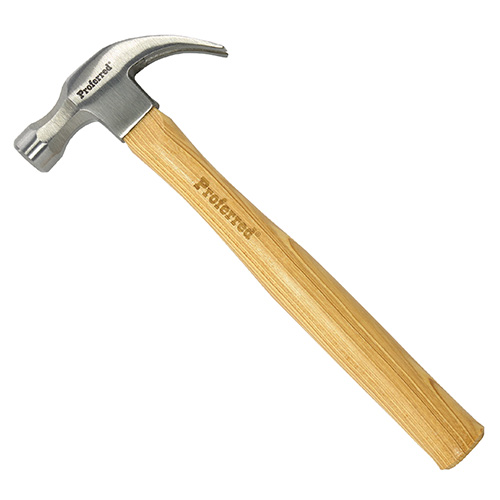
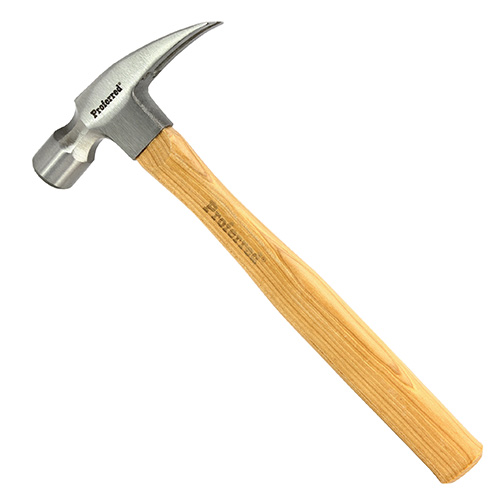
- Claw hammer – Curved claw for pulling nails; general carpentry and finish work.
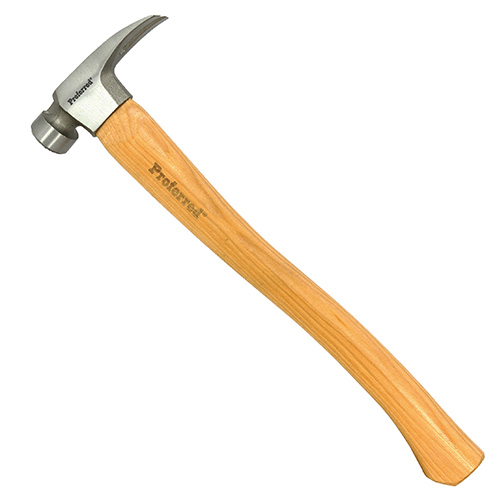
- Ripping (straight-claw) hammer – Straighter claw for prying and demo; framing and teardown.
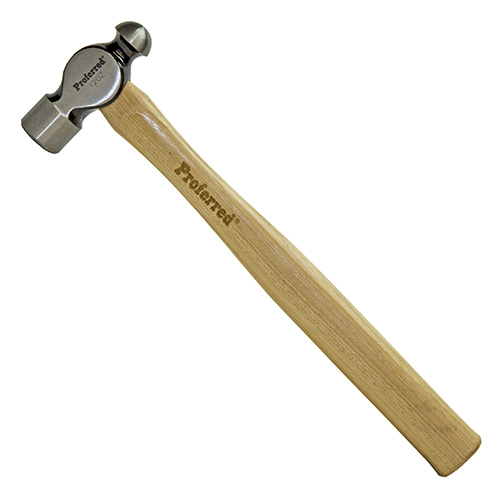
- Ball-peen hammer – Flat face + rounded peen for shaping metal, riveting, and peening edges in metalwork.
- Dead blow hammer – Non-marring, shot-filled head to minimize rebound and deliver controlled force for precision assembly.
- Rubber mallet – Soft, non-marring strikes for positioning parts, setting tile, or installing trim.
- Framing hammer – Heavier head, longer handle, often milled face for high driving power on framing nails.
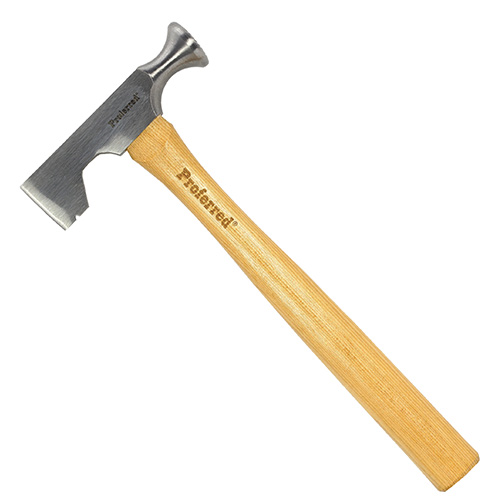
- Drywall hammer – Hatchet-style blade for scoring and a crowned face to set nails without crushing gypsum.
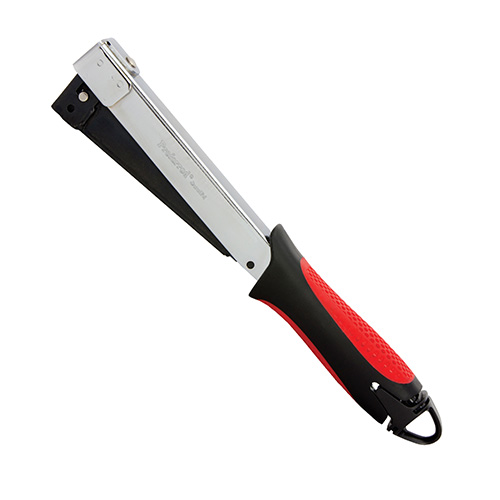
- Hammer tacker – Swing-to-staple tool for fast installation of roofing underlayment, housewrap, and insulation facer.
- Club/engineer’s hammer – Short-handled sledge for heavier striking where space is limited.
How to choose the right hammer
- Match the task: use claw/ripping for wood fasteners, ball-peen for steelwork, dead blow or mallet for non-marring assembly.
- Pick a head weight: lighter (10–16 oz) for finish control; medium (16–20 oz) for general carpentry; heavy (22–28 oz) for framing/demo.
- Face style: smooth for finish nails and delicate surfaces; milled/waffle for grip on framing nails.
- Handle material: wood for vibration damping, fiberglass for balance and insulation, steel for maximum durability; choose a comfortable grip.
- Balance & swing: the head should sit squarely without twisting; practice a few swings to check control and rebound.
Hammer safety & technique tips
- Wear ANSI-rated eye protection; flying chips and fasteners are common.
- Start nails with light taps; keep wrist straight and strike with the hammer’s face parallel to the work.
- Use the right tool for prying—avoid side-loading a hammer that isn’t designed for it.
- Inspect handles and heads; replace if cracked, loose, or mushroomed.
FAQs about hammers
- What’s the difference between a claw hammer and a ripping hammer?
- Both drive and pull nails. A claw hammer has a curved claw that gives more leverage for nail pulling with less surface damage. A ripping (straight-claw) hammer has a straighter claw that slips under materials and works better for prying and demolition.
- When should I use a ball-peen instead of a claw hammer?
- Choose a ball-peen for metalwork: peening rivets, rounding edges, and shaping steel. Its peen and hardened face are designed for striking punches and chisels.
- Smooth face vs. milled face—how do I decide?
- Smooth faces protect finish surfaces and trim; milled faces grip nail heads in framing so the hammer doesn’t glance off. Milled faces can mark wood, so they are for rough carpentry.
- What is a dead blow hammer used for?
- Dead blow hammers deliver high energy with minimal rebound. They’re ideal when you need controlled, non-marring strikes—assembling press-fit parts, aligning workpieces, or seating bearings.
- What size hammer should a DIYer start with?
- A 16 oz smooth-face claw hammer with a comfortable handle is a versatile all-around choice for household tasks.