

Carriage, Plow & Timber Bolts
Common Uses for Carriage, Plow, and Timber Bolts
These round head bolts are commonly used in wood construction, fencing, docks, decks, utility structures, bridges, playgrounds, heavy timber framing, agricultural equipment, and machinery repairs. Because the head is smooth and domed, they are often chosen for applications where a lower-profile, snag-resistant finished surface is preferred. Each style is designed for slightly different uses, making it easier to match the fastener to the material, environment, and load requirements of the project.
Types of Round Head Bolts
This category includes carriage bolts, plow bolts, and timber bolts. While all three share a rounded head profile, each style is designed for different applications and installation requirements.
Carriage Bolts
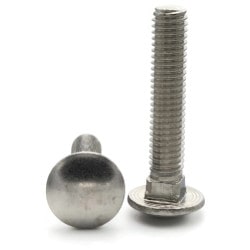
Carriage bolts are designed with a smooth domed head and a square neck directly beneath the head. The square neck bites into wood or softer materials to help prevent the bolt from spinning while the nut is tightened. They are commonly used in wood-to-wood and wood-to-metal fastening for decks, fences, framing, and general construction.
Plow Bolts
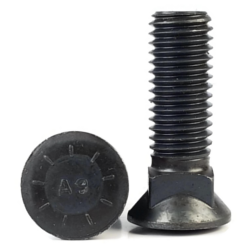
Plow bolts are commonly used in heavy equipment, agricultural machinery, and wear-part applications where a low-snag head is important. They are often selected for repairs and assemblies that involve ground-engaging equipment or metal components exposed to abrasion and impact.
Timber Bolts
Timber bolts are designed for heavy wood connections and typically feature anti-rotation lugs or nibs under the head. They are often used in timber framing, bridges, utility structures, marine construction, and other large wood assemblies where extra holding power and a secure fit are important.
Materials and Finishes
Round head bolts in this category are available in several material and finish options, including stainless steel, hot-dip galvanized steel, and zinc plated steel. The right choice depends on the environment, corrosion exposure, and performance requirements of the application.
Stainless Steel
Stainless steel bolts are often chosen for outdoor and corrosion-prone environments where rust resistance is important. They are a practical choice for docks, exterior structures, fencing, and assemblies exposed to moisture.
Hot-Dip Galvanized
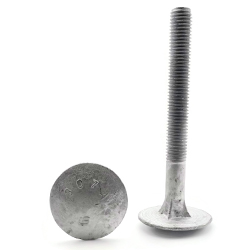
Hot-dip galvanized bolts are commonly used in exterior wood construction and structural applications where a thicker zinc coating is needed for added corrosion resistance. They are often chosen for decks, docks, fencing, and utility projects.
Zinc Plated
Zinc plated bolts are often selected for general-purpose fastening where basic corrosion resistance and value are both important. They are commonly used in indoor and lighter-duty outdoor applications depending on exposure conditions.
Why Choose Round Head Bolts?
Round head bolts are often chosen because the domed head provides a smooth finished appearance and reduces snagging on exposed surfaces. Carriage bolts, plow bolts, and timber bolts also offer anti-rotation features such as square necks, lugs, or nibs, which help make installation easier from the nut side. For wood construction, structural wood connections, and equipment applications, these features make round head bolts a practical and dependable choice.
How to Choose the Right Bolt
Start by choosing the bolt style that fits the application. Carriage bolts are often the right choice for general wood construction, plow bolts are commonly used for machinery and wear parts, and timber bolts are preferred for large wood connections and structural timber work. Then choose the material or finish based on the environment. Stainless steel and hot-dip galvanized options are often selected for outdoor use, while zinc plated bolts can be a practical option for more general applications. Diameter, length, and thread type should be chosen based on the thickness of the materials being fastened and the amount of holding strength required.
Carriage Bolts vs. Plow Bolts vs. Timber Bolts
Carriage bolts are commonly used in general wood construction and feature a square neck to prevent spinning during installation. Plow bolts are used more often in heavy equipment and wear-part applications where a low-snag profile is important. Timber bolts are designed for heavy timber connections and typically include lugs or nibs under the head for added grip in wood. The best choice depends on whether the project involves general construction, structural timber work, or equipment fastening.
Related Bolt Categories
Depending on your application, you may also want to browse related categories:
Carriage Bolts
Fasteners & Hardware
Screws & Bolts
Frequently Asked Questions About Carriage, Plow, and Timber Bolts
What are carriage, plow, and timber bolts used for?
They are used in wood construction, structural timber connections, machinery repairs, agricultural equipment, fencing, decks, docks, and other applications where a smooth domed head and secure fastening are important.
What is the difference between carriage bolts, plow bolts, and timber bolts?
Carriage bolts are commonly used for general wood and construction fastening, plow bolts are often used in heavy equipment and wear-part applications, and timber bolts are designed for heavy timber connections with added anti-rotation features under the head.
Why choose a round head bolt?
A round head bolt is often chosen because the domed head provides a smoother finished appearance and helps reduce snagging on exposed surfaces. This can be especially useful in wood construction, outdoor structures, and equipment applications.
What materials are available?
This category includes round head bolt options in stainless steel, hot-dip galvanized steel, and zinc plated steel for a range of corrosion-resistance and application needs.
Which finish should I choose for outdoor use?
For outdoor projects, stainless steel and hot-dip galvanized finishes are often preferred because they provide stronger corrosion resistance than basic zinc plated options. The right choice depends on the environment and the level of exposure the fastener will face.
Round Head Bolts FAQs
See the accordion below for quick answers about carriage vs plow vs timber bolts, sizing, materials, and best practices.
Carriage bolts have a domed head with a square neck for general construction; plow bolts use a low-snag round or countersunk-style head for equipment wear parts; timber bolts add under-head lugs/nibs for extra bite in heavy timbers.
From under the head to the end of the bolt. (Countersunk styles are measured overall.)
Hot-dip galvanized for robust weather protection; 304 stainless for broad corrosion resistance; 316 stainless for coastal/chloride exposure.
Flat washers distribute load and protect surfaces; lock washers or thread-locking methods help resist loosening in vibration.
The neck is designed to bite and prevent rotation. Use a washer or consider a nibbed timber bolt when surface marring must be minimized.
Match thread and material/finish (e.g., galvanized nuts for galvanized bolts, stainless nuts for stainless bolts) to maintain corrosion compatibility.