
Skip to main content Skip to search Skip to main navigation

**END OF YEAR SALE IS LIVE!** SAVE UP TO 25% OFF YOUR ORDER.

10% OFF | $100 - $499: Code: DEC10 | 15% OFF | $500 - $1499: Code: DEC15 | 20% OFF | $1500 - $4999: Code: DEC20 | 25% OFF | $5000+: Code: DEC25

Apply code in shopping cart. Limited time offer.

Fasteners 101 / For Beginners
📖

For Beginners

New to fasteners? This guide starts from zero and covers everything you need to know. No experience required.

Let's Start Simple

If you've ever put together furniture from a box, hung a picture frame, or fixed something that came loose, you've worked with fasteners. They're the screws, bolts, nails, and clips that hold things together. This guide will teach you everything you need to know, starting from scratch.

10
Core Topics
25
Minutes to Read
0
Experience Required
🔩

What Are Fasteners?

A fastener is anything that holds two or more things together. That's it. If you've ever used a screw to attach something, you've used a fastener.

Look around your room right now. Your furniture, the door handle, the light switch cover, picture frames on the wall. All of these use fasteners. Without them, everything would fall apart.
Quick Definition
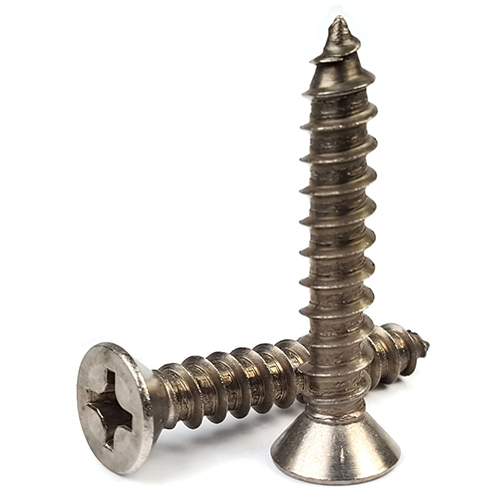
Fastener: A hardware device that joins two or more objects together. Examples: screws, bolts, nuts, nails, rivets, washers, anchors, and clips.

Why you should care about fasteners:

  • You can take them apart: Unlike glue or welds, most fasteners let you disassemble things later without breaking anything
  • They're reusable: Many fasteners can be removed and used again
  • They're cheaper than alternatives: Fasteners cost less than welding or permanent bonding
  • You can replace broken parts: If something breaks, you can unscrew it and swap in a new piece
  • They handle serious weight: The right fastener can hold hundreds or thousands of pounds
🏷️

All the Main Types of Fasteners

There are hundreds of different fasteners, but these are the ones you'll actually use and see most often. Let's break them down one by one.

Threaded Fasteners

These have spiral grooves (threads) that grip and hold.

Screw
Screws
Cut their own threads as they go in
Bolt
Bolts
Go through holes, need a nut
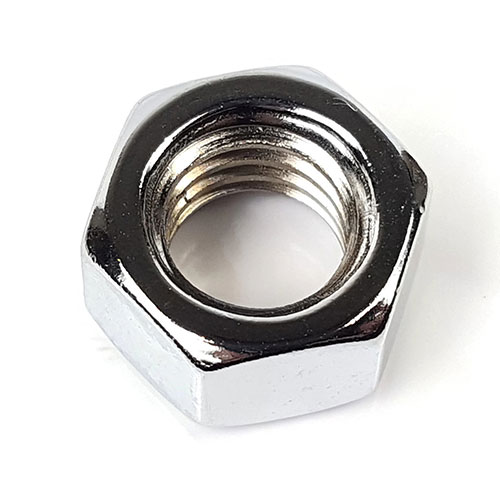
Nut
Nuts
Thread onto bolts to secure
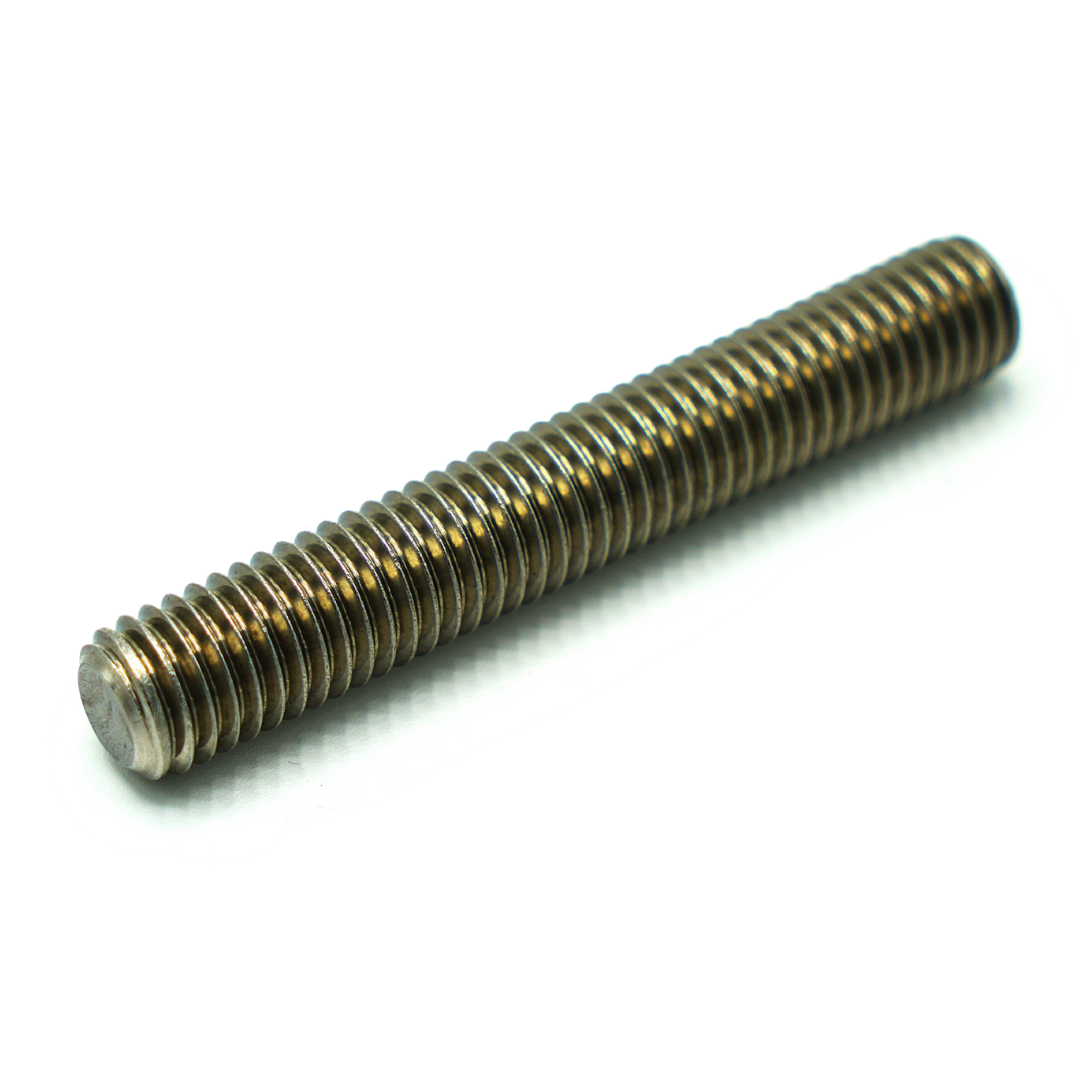
Stud
Studs
Threaded rod, bolts on both ends

Non-Threaded Fasteners

These rely on friction, deformation, or mechanical grip.

Nail
Nails
Hammer them in, friction holds
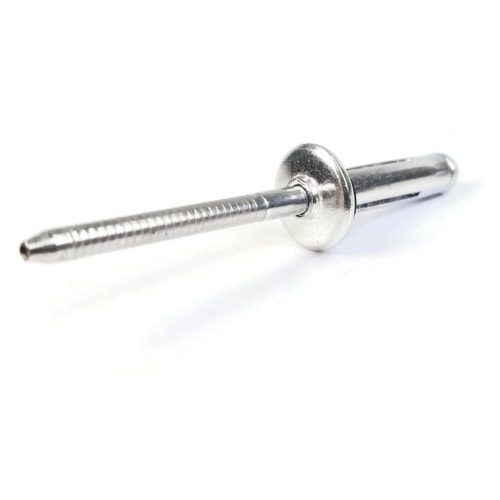
Rivet
Rivets
Permanent, can't be removed
Pin
Pins
Slide through holes to align parts
Clip
Clips
Spring action holds tight

Support & Specialty Fasteners

These work with other fasteners or solve specific problems.

Washer
Washers
Distribute load, prevent damage
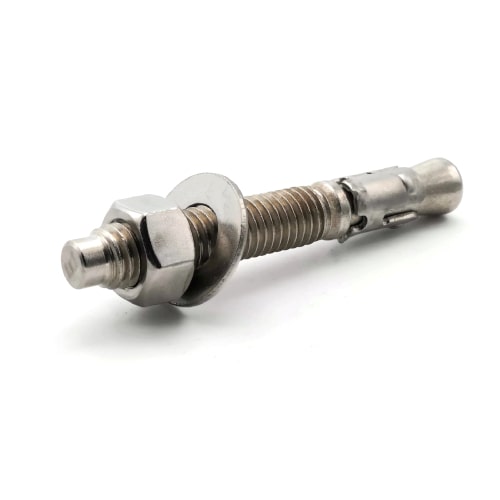
Anchor
Anchors
Grip hollow walls/drywall
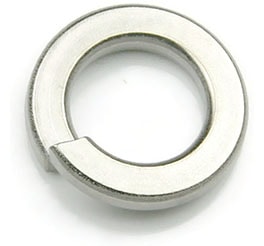
Lock Washer
Lock Washers
Prevent loosening from vibration
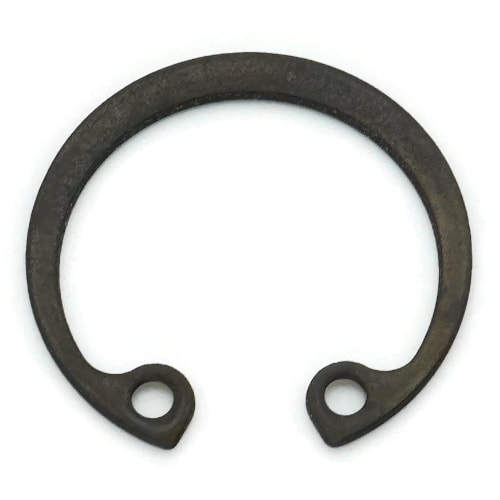
Retaining Ring
Retaining Rings
Hold parts on shafts
Screws vs. Bolts: What's the Difference?
Screws: Cut their own threads as they go into material (usually wood or plastic). You just need the screw.

Bolts: Go through pre-drilled holes and require a nut on the other side to clamp things together.
🔍

Fastener Parts and Terminology

Every fastener has specific parts. Knowing these names helps when you're buying fasteners or asking for help at the hardware store.

Basic Parts of a Screw or Bolt

  • Head: The top part. This is what you turn with a screwdriver or wrench. The shape determines what tool you need.
  • Drive: The shaped hole or slot in the head where your tool fits (Phillips, flat, hex, etc.)
  • Shank: The main body of the fastener between the head and threads
  • Threads: The spiral grooves that provide grip and holding power
  • Point: The tip that enters the material first
  • Length: Measured from under the head to the tip (not including the head itself)
  • Diameter: The thickness of the screw, usually measured at the threads

Head Styles (What the Top Looks Like)

Head Type Description Common Uses
Flat/Countersunk Tapered head sits flush with surface Furniture, cabinets, anywhere you want a smooth finish
Pan Head Slightly rounded top, low profile General purpose, electronics, sheet metal
Round Head Dome-shaped, sticks up above surface Decorative applications, older furniture
Hex Head Six-sided head for wrench or socket Heavy-duty applications, automotive, machinery
Button/Truss Extra-wide rounded head Sheet metal, covers large holes

Drive Types (The Shape in the Head)

This determines what tool you need. Get the wrong driver and you'll strip the head.

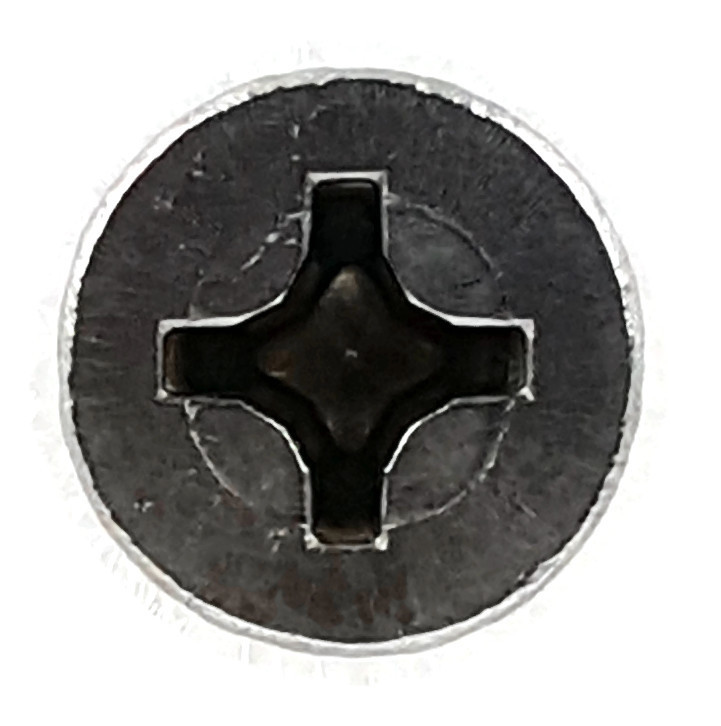
Phillips Drive
Phillips
Cross shape, most common
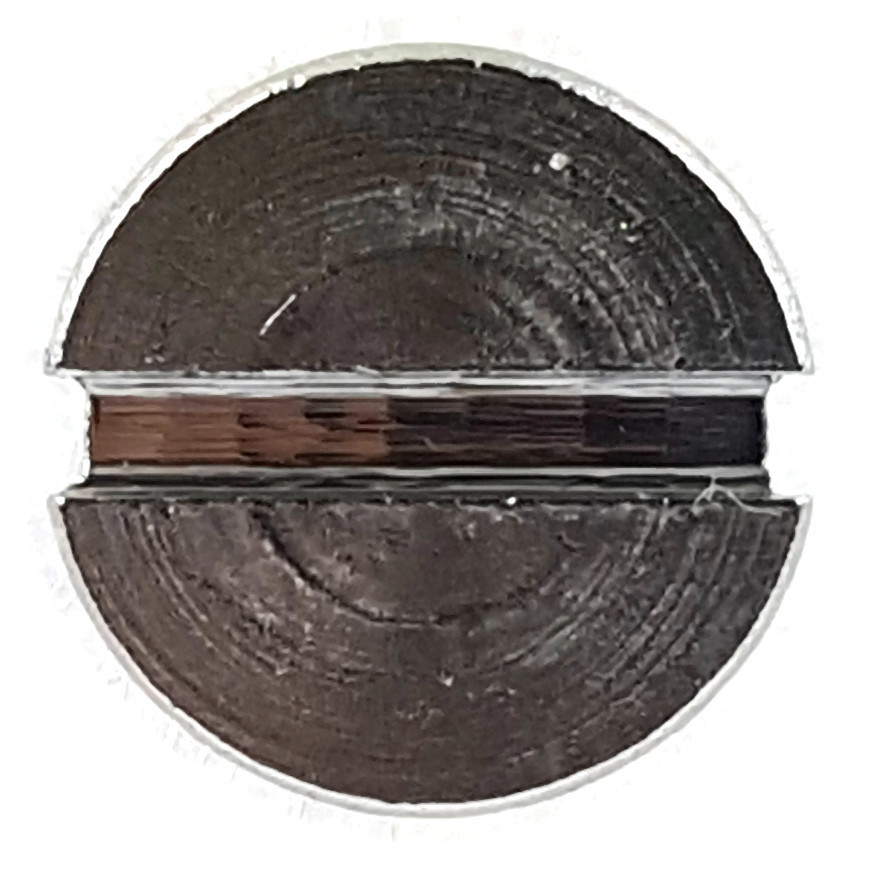
Flathead/slotted Drive
Flathead/Slotted
Single straight line
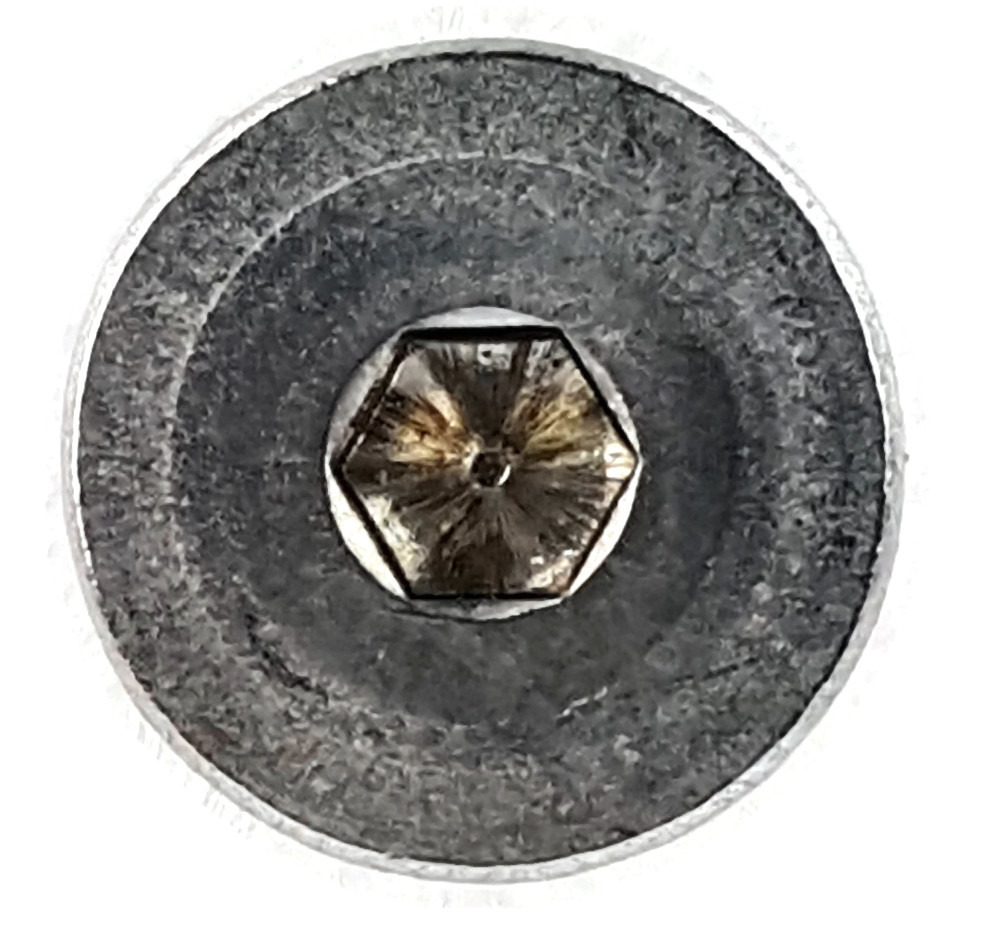
Hex Drive
Hex/Allen
Six-sided hole for hex key
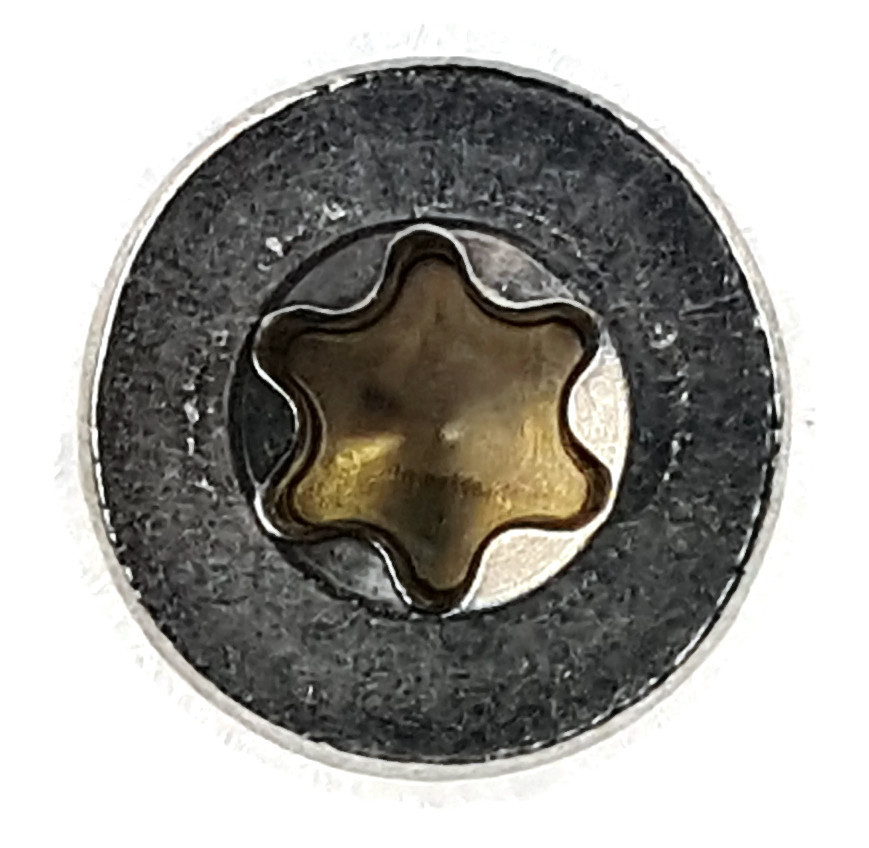
Torx Drive
Torx/Star
6-point star, resists stripping
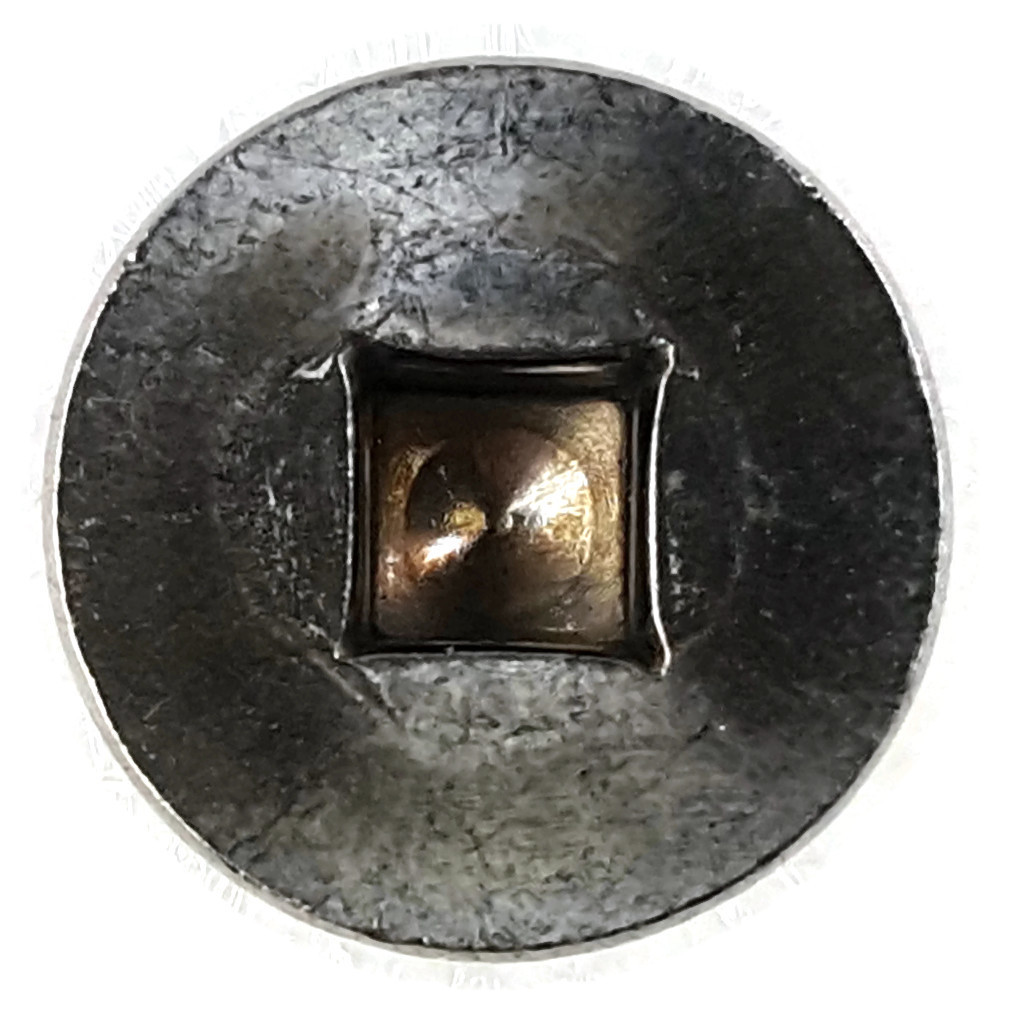
Square Drive
Square/Robertson
Square hole, popular in Canada
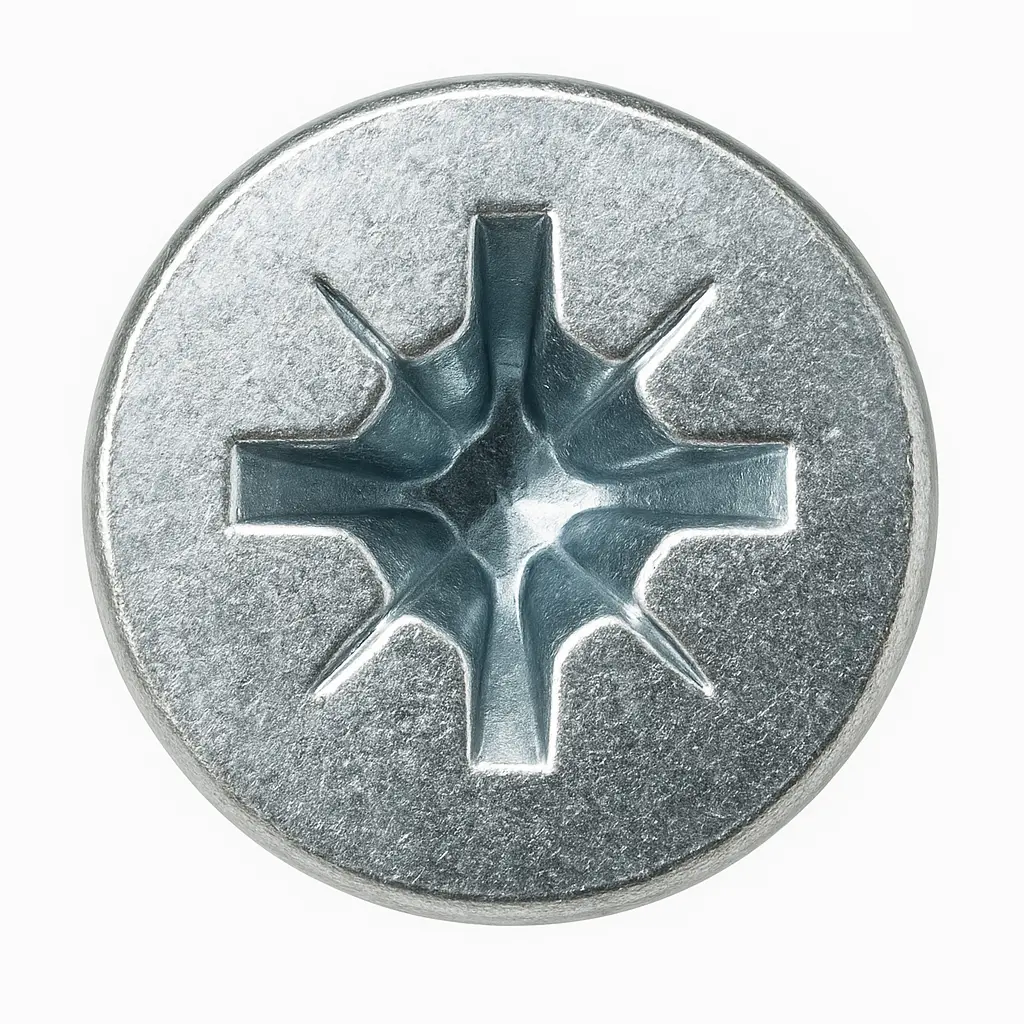
Pozidriv Drive
Pozidriv
Like Phillips but better grip
Why Drive Type Matters
Using the wrong screwdriver will "strip" the head (damage the drive shape). Once stripped, the screw is nearly impossible to remove. Always use the correct driver for your fastener.
📐

Thread Types and Patterns

Threads are the spiral grooves that let fasteners grip. There are two main systems, and they don't mix.

Unified Thread (Inch/SAE)

Used in: United States, older equipment

Measured in: Inches and fractions (1/4", 3/8")

Common sizes:

  • #6, #8, #10 (small screws)
  • 1/4", 5/16", 3/8", 1/2" (larger bolts)

Thread pitch: Threads per inch (TPI). Higher number = finer threads.

Metric Thread (ISO)

Used in: Rest of world, modern equipment

Measured in: Millimeters (M6, M8, M10)

Common sizes:

  • M3, M4, M5 (small screws)
  • M6, M8, M10, M12 (larger bolts)

Thread pitch: Distance between threads in mm. Smaller number = finer threads.

Important: Inch and Metric Don't Mix
A 1/4" bolt will NOT fit in an M6 nut, even though they look similar. Always match the system. Forcing the wrong one will strip the threads and ruin both parts.

Coarse vs. Fine Threads

Coarse Threads (Fewer, Bigger)

Good for:

  • Soft materials (wood, plastic, aluminum)
  • Quick assembly
  • Resisting cross-threading
  • Dirty or damaged threads

Most common: This is what you'll find at the hardware store

Fine Threads (More, Smaller)

Good for:

  • Hard materials (steel, hard plastics)
  • Precision adjustments
  • Higher strength in tension
  • Thin-walled parts

Special order: Often need to request specifically

🎯

How to Choose the Right Fastener

Picking the right fastener sounds complicated, but it comes down to answering a few simple questions. Let's walk through it.

Question 1: What Material Are You Fastening?

Material Best Fastener Type Why
Wood to Wood Wood screws Self-tapping threads cut into wood fibers
Metal to Metal (thin) Sheet metal screws Sharp point, fine threads grip thin metal
Metal to Metal (thick) Machine screws or bolts Pre-drilled and tapped holes, or through-bolts with nuts
Plastic Thread-forming screws Form threads without cracking plastic
Drywall/Hollow Wall Drywall anchors + screws Anchor spreads behind wall for grip
Concrete/Masonry Concrete anchors Special expanding anchors grip in drilled holes

Question 2: Do You Need to Remove It Later?

✓ Removable Fasteners

Use when: You might need to disassemble for repairs, upgrades, or transport

Options:

  • Screws (most common)
  • Bolts and nuts
  • Clips and retaining rings
  • Threaded inserts

✗ Permanent Fasteners

Use when: It will never be taken apart, or you want tamper-resistance

Options:

  • Nails (can be pulled but damages wood)
  • Rivets (must be drilled out to remove)
  • Welding (not a fastener but permanent)
  • Adhesives (permanent bond)

Question 3: How Much Weight Will It Hold?

This is critical for safety. Using fasteners that are too weak can cause failures and injuries.

Application Approximate Load Fastener Recommendation
Picture frame 5-20 lbs Small screw with anchor, or picture hanger
Shelf bracket 50-200 lbs Multiple lag screws into studs, or heavy-duty anchors
TV mount 50-100+ lbs Lag bolts into studs (never use drywall anchors alone)
Deck ledger board Thousands of lbs Structural lag screws or through-bolts, must meet code
Safety Warning
For anything that could hurt someone if it fell (heavy shelves, TV mounts, ceiling fans), use fasteners rated for the load and attach to solid framing. When in doubt, consult a professional or use heavier-duty fasteners than you think you need.

Question 4: Indoor or Outdoor?

Environment matters. Outdoor fasteners need to resist rust and corrosion.

  • Indoor (dry): Plain steel fasteners are fine and cheapest
  • Bathroom/humid: Zinc-plated or stainless steel to resist moisture
  • Outdoor (deck, fence): Hot-dipped galvanized or stainless steel, rated for exterior
  • Marine/coastal: 316 stainless steel only (regular stainless will still rust near saltwater)
  • Chemical exposure: Stainless steel, or plastic fasteners for acids

Question 5: Does It Show?

Visible Fasteners

When appearance matters:

  • Decorative screw covers or caps
  • Finish-matched screws (brass, black, white)
  • Countersunk flat heads that can be filled
  • Low-profile pan heads in matching color

Hidden Fasteners

When you don't want to see them:

  • Pocket screws (hidden inside joints)
  • Biscuit joints with glue
  • Dowels (wooden pins)
  • Hidden deck fasteners
📏

Understanding Fastener Sizes

Fastener sizes seem confusing at first, but there's a system. Here's how to read them.

How to Read Screw Sizes

Example: #8 x 1-1/2" Wood Screw
#8 = Diameter (gauge number, bigger number = thicker screw)
1-1/2" = Length from under the head to the tip
Wood Screw = Type (tells you thread style and intended use)

Common Screw Gauges

Gauge # Diameter (inches) Typical Uses
#4 0.112" Small hinges, light fixtures, electronics
#6 0.138" Cabinet hardware, light-duty wood joints
#8 0.164" General woodworking, most common
#10 0.190" Heavy-duty wood joints, decking
#12 0.216" Structural applications, thick lumber

Quick tip: For most home DIY projects, #8 screws are your go-to. They're strong enough for almost everything but not overkill.

Bolt Sizes

Example: 1/4"-20 x 2" Hex Bolt
1/4" = Diameter of the bolt
20 = Threads per inch (coarse thread)
2" = Length from under head to end
Hex Bolt = Head style

Length rule: The fastener should go through all materials and stick out about the diameter of the fastener. So for a 1/4" bolt, you want 1/4" sticking out for the nut.

🔧

Tools You'll Need

You don't need a huge toolbox to work with fasteners. Here are the basics that will handle 90% of projects.

Essential Tools (Start Here)

  • Phillips screwdriver set: #1 (small), #2 (medium, most common), #3 (large)
  • Flathead screwdriver set: 1/8", 3/16", 1/4" widths
  • Cordless drill/driver: Game changer for speed, get one with multiple torque settings
  • Drill bit set: For pre-drilling holes (prevents wood from splitting)
  • Tape measure: Measure twice, drill once
  • Level: Make sure things are straight
  • Adjustable wrench: Fits multiple sizes of nuts and bolts

Nice to Have (Level Up)

  • Socket set: Faster than wrenches for lots of bolts
  • Hex key/Allen wrench set: For furniture and bike assembly
  • Torx driver set: Becoming more common
  • Stud finder: Locate wall studs for secure mounting
  • Impact driver: Extra power for tough jobs or long screws
💡

Common Beginner Mistakes (And How to Avoid Them)

Everyone makes mistakes when starting out. Here are the most common ones and how to prevent them.

  • Stripping the head: Using wrong driver or too much force. Solution: Use correct bit and let the tool do the work, don't force it.
  • Splitting wood: Screw is too big or too close to edge. Solution: Pre-drill holes, especially near edges. Use smaller screw if possible.
  • Screw won't go in straight: Started at wrong angle. Solution: Start slow and perpendicular to surface. Correct angle before screw engages.
  • Overtightening: Stripped threads or cracked material. Solution: Stop when snug. With power tools, use lower torque setting.
  • Wrong length: Too short won't hold, too long pokes through. Solution: Measure material thickness, add 1/2" to 3/4" for wood.
  • Mixing thread systems: Forced metric bolt into inch nut. Solution: Check thread system before starting. Never force.
  • Not using anchors in drywall: Screw pulls right out. Solution: Always use appropriate anchor for hollow walls.
  • Using outdoor fasteners indoors (or vice versa): Indoor screws rust outside, galvanized screws are expensive for indoors. Solution: Match fastener to environment.
🎓

Practice Projects for Beginners

The best way to learn is by doing. Here are some beginner-friendly projects to practice with.

Picture Frame
Hang Pictures
Learn to use anchors and find studs
Shelf
Build Simple Shelf
Practice wood screws and brackets
Furniture
Assemble Furniture
Work with different fastener types
Repair
Tighten Loose Screws
Learn when to replace vs. tighten
🚀

Your Action Plan

You've learned a lot. Here's your step-by-step plan to go from beginner to confident with fasteners.

  • Week 1: Get basic tools (screwdriver set, tape measure). Practice identifying fasteners around your home.
  • Week 2: Do a simple project like hanging pictures or tightening loose screws. Get comfortable with the tools.
  • Week 3: Visit a hardware store. Ask questions. Pick up fasteners and read the labels.
  • Week 4: Build something simple like a small shelf or assemble furniture. Apply what you learned.
  • Month 2+: Gradually try more complex projects as confidence grows.
Remember
Nobody was born knowing this stuff. Every expert started exactly where you are right now. Take your time, ask questions, and don't be afraid to make mistakes on small projects where the stakes are low.

Questions? We're Here to Help

Our team has been working with fasteners for decades. If you're stuck or unsure about something, just ask. No question is too basic.